China Best Automated Car Wash Machine Supplier

Choosing a China Best Automated Car Wash Machine Supplier requires more than comparing prices. Buyers need equipment that fits local demand, site conditions, staffing, and maintenance capacity. Grand View Research estimated the global car wash service market at USD 31.06 billion in 2023, with projected annual growth of 3.1% from 2024 to 2030. This estimate describes the service market, not automatic equipment sales, but it signals continued investment in professional washing. A trend, not a guarantee.

For operators, an Automated Car Wash should deliver consistent cleaning while keeping downtime and operating costs manageable. Compare measurable details: vehicle dimensions, wash-cycle options, water-recycling arrangements, sensor coverage, and access to replacement parts. Ask suppliers for equipment specifications, installation requirements, maintenance schedules, and documented test results. Clear answers matter more than polished claims. A fast cycle means little if staff cannot resolve a sensor fault or obtain a worn brush promptly.

There is no perfect machine. Even a well-designed system may perform differently when water quality, climate, or vehicle mix changes. That deserves honest attention. A supplier’s technical support, commissioning process, and parts availability can affect daily performance as much as the machine itself. This introduction sets out practical criteria for evaluating Chinese suppliers and identifying equipment suited to a specific wash operation. A forecast cannot verify a product; buyers should assess the evidence behind every claim.
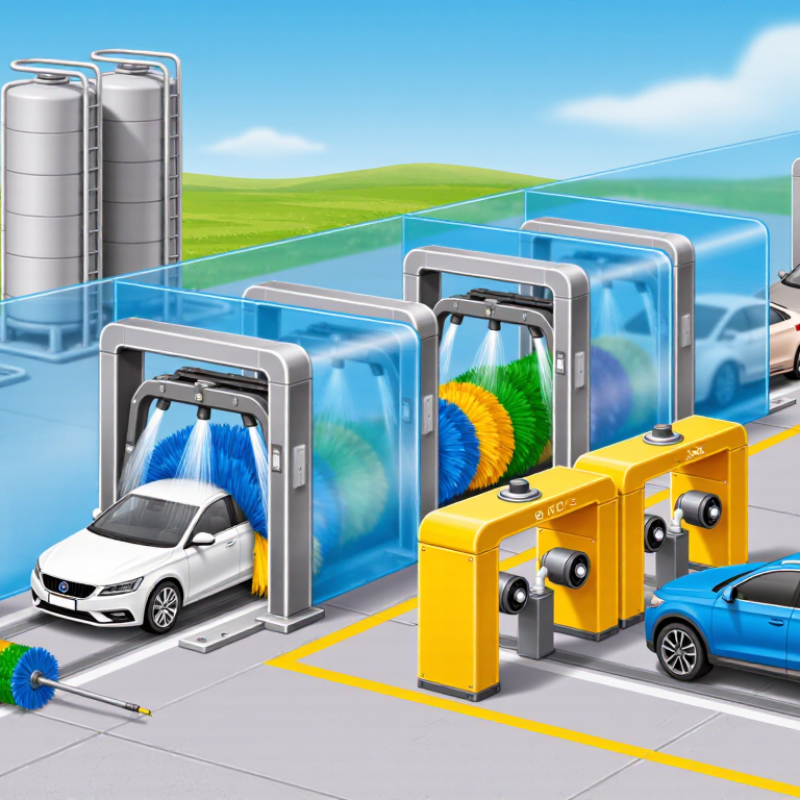
China Best Automated Car Wash Machine Supplier

Overview of China's Automated Car Wash Machine Industry

China Best Automated Car Wash Machine Supplier

Overview of China's Automated Car Wash Machine Industry

China's automated car-wash industry is shaped by a large vehicle base and changing service expectations. The Ministry of Public Security reported 353 million registered automobiles at the end of 2024, including 31.4 million new-energy vehicles. The China Association of Automobile Manufacturers recorded 31.436 million vehicle sales in 2024. These figures suggest a broad service opportunity, but they do not measure machine demand directly. That distinction matters.

Operators compare throughput, water recovery, drying quality, and maintenance access—not only purchase price. A busy urban site may need dependable peak-hour cycles, while a smaller site may prioritize compact layouts and simple controls. As electric vehicles become more common, clear operating guidance and suitable wash settings also matter. Yet results depend on installation, water quality, and local use patterns. One specification rarely fits all. Public vehicle data alone cannot establish equipment-market revenue, so buyers should request verifiable cycle tests, parts information, and service records.

Tips: Ask for a live demonstration with a vehicle similar to your customers’ cars. Check cycle time, water use, noise, and access for cleaning. Maintenance space is easy to overlook.
How Automated Car Wash Machines Operate

China Best Automated Car Wash Machine Supplier
How Automated Car Wash Machines Operate

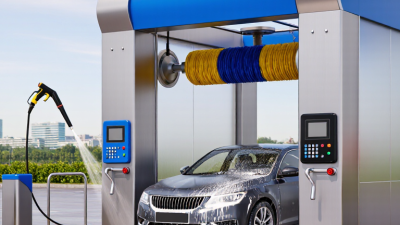
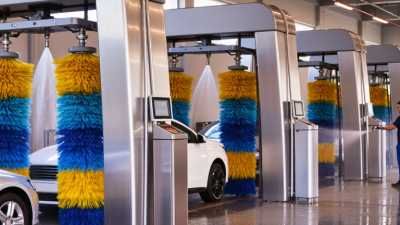
Automated car wash machines coordinate water, detergent, cleaning tools, and dryers through a programmed cycle. The driver positions the vehicle in the wash bay, following floor markings and signals. Sensors help detect the vehicle’s position and dimensions. Depending on the system, a conveyor may move the car forward, or a gantry may travel around it. Exact sequences vary by machine design.

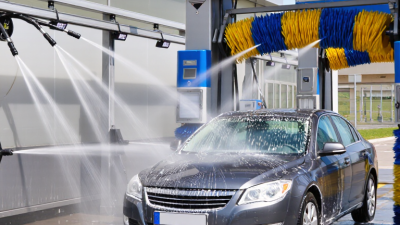
A typical cycle starts with a pre-rinse to loosen dust and grit. Detergent or foam is applied, then brushes, soft cloth, or high-pressure water clean the vehicle’s surfaces. Some systems use separate passes for wheels and lower panels, where road grime often collects. A final rinse removes detergent, and air blowers push water from mirrors and body panels. Drying may leave droplets behind, especially around trim.

Tips: Keep windows closed and fold in mirrors when instructed. Remove loose roof accessories before entering. Operators should check spray nozzles, sensors, and brushes regularly; blocked nozzles can leave uneven coverage. Small details matter. A wash cycle cannot correct every issue, and the result may vary with vehicle shape, dirt, and equipment settings.

Main Types of Automated Car Wash Systems

China Best Automated Car Wash Machine Supplier
Main Types of Automated Car Wash Systems

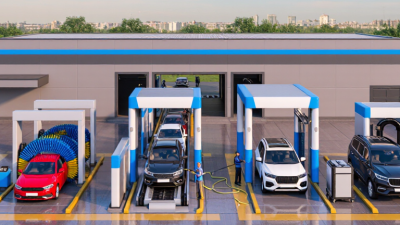
Automated car wash systems generally fall into three types: in-bay rollover, conveyor tunnel, and touchless. In-bay rollover machines clean a parked vehicle as the equipment moves around it. They suit sites with limited space and moderate traffic. Brush systems can remove stubborn road film, but brushes need regular inspection for wear and trapped grit.

Conveyor tunnels move vehicles through several cleaning stages on a belt or track. They can handle higher volumes, but require more floor space and careful traffic flow. Touchless systems use high-pressure water and cleaning agents instead of brushes. They reduce direct contact, though heavy dirt may need extra attention. No system fits every site. Check water supply, drainage, vehicle mix, and expected peak-hour demand before choosing. A short on-site trial can reveal issues that a specification sheet misses.

Tips: Compare actual wash times, maintenance access, and utility use. Ask how operators handle a stopped vehicle or a clogged nozzle. Small details matter. One estimate may still be imperfect, so verify it against daily operating conditions.

China Best Automated Car Wash Machine Supplier - Main Types of Automated Car Wash Systems

System Type How Vehicles Move Typical Washing Method Indicative Throughput Common Site Requirements Key Considerations
In-Bay Automatic Rollover The vehicle remains stationary while the wash gantry travels around it. May use soft cloth or foam brushes, high-pressure water, or a combination. Approximately 6–15 vehicles per hour, depending on cycle length and operating setup. Wash bay with space for a single vehicle, plus equipment and utility areas. Suitable for sites with limited space or moderate demand. Vehicles are washed one at a time.
In-Bay Automatic Touchless The vehicle remains stationary while fixed or moving spray equipment cleans it. Uses high-pressure water and cleaning chemicals without brushes or cloth contacting the vehicle. Approximately 6–12 vehicles per hour, depending on the selected wash cycle. Single-vehicle wash bay with suitable drainage, water supply, and chemical storage. Avoids direct brush contact, but cleaning results depend on water pressure, chemistry, and soil level.
Conveyor Tunnel with Friction Wash A conveyor moves vehicles through a sequence of wash equipment. Typically combines cloth or foam friction components with pre-soak, rinsing, and drying stages. Often around 30–120 vehicles per hour; actual capacity depends on conveyor speed, tunnel length, and vehicle spacing. Longer building footprint, vehicle queuing space, conveyor equipment, and organized entry and exit lanes. Designed for higher-volume operations. Safe loading and consistent vehicle spacing are essential.
Conveyor Tunnel with Touchless Wash A conveyor carries vehicles through multiple treatment zones. Uses high-pressure spray arches and cleaning chemicals rather than friction brushes or cloth. Varies widely by tunnel design and cycle; generally planned as a continuous-flow system. Tunnel space and conveyor infrastructure, with appropriate water, drainage, and treatment systems. Reduces contact with vehicle surfaces, while wash performance can vary with vehicle shape and heavy soil.
Hybrid In-Bay Automatic The vehicle remains stationary while a gantry or coordinated equipment moves around it. Combines friction components with high-pressure water and chemical application. Approximately 6–15 vehicles per hour, depending on wash package and cycle duration. Single-vehicle bay with room for the machine travel path and supporting equipment. Combines contact cleaning with touchless stages; equipment configuration affects cycle time and maintenance needs.

Throughput figures are indicative planning ranges, not guaranteed capacities. Actual results depend on wash-cycle settings, vehicle spacing, site layout, staffing, and local operating conditions.

Key Features of Chinese Car Wash Machine Suppliers

China Best Automated Car Wash Machine Supplier

Key Features of Chinese Car Wash Machine Suppliers

Choosing a Chinese automated car wash supplier involves more than comparing purchase prices. Grand View Research estimated the global car wash services market at USD 31.06 billion in 2023, reflecting sustained demand for convenient vehicle care. For buyers, useful supplier evidence includes installation records, component specifications, and clear cycle-time estimates. Ask how the machine handles dusty SUVs, low-clearance sedans, and uneven vehicle positioning. A detailed answer is more useful than a broad claim of “high efficiency.”

Water management also deserves close inspection. The International Carwash Association reports that professional car washes commonly use about 30–50 gallons of fresh water per vehicle, with actual consumption varying by wash type and reclamation system. Ask suppliers for measured water use per cycle and reclaim-system performance, not just a promised percentage. Request a factory acceptance test, safety documentation, and spare-parts lead times in writing. Check whether remote diagnostics work reliably at your site; connectivity can be less consistent than a brochure suggests. No supplier is perfect. A practical evaluation should compare wash results, maintenance access, and service response under real operating conditions, ideally using a sample vehicle and a recorded test.

How to Evaluate and Select a Supplier in China

Choosing a Chinese automated car wash machine supplier takes more than comparing prices. Start with the equipment configuration: confirm the wash cycle, vehicle-size range, drying method, and water-recycling setup. Ask for a written specification, not just a brochure. Numbers need context. Request test records showing cycle time, water use, and cleaning results under stated conditions. A video call can help, but it cannot replace seeing a machine operate in person.

Check how the supplier handles installation, operator training, spare parts, and technical support after delivery. Ask which components are considered wear parts and how quickly replacements can be shipped. Clarify warranty coverage in writing, including exclusions and response times. If possible, speak with customers using similar equipment and compare their operating conditions with yours.

Look closely at welds, cable routing, access panels, and the finish around moving parts. Small details matter. A low quote may omit useful options or service costs, though a higher price does not guarantee better support. No supplier can remove every uncertainty, so document open questions and verify important claims before placing an order.