Which Top Pressure Car Wash Machine Is Best?
Choosing the best Pressure Car Wash Machine is not simply a horsepower contest. It is a decision about water use, cleaning speed, surface safety, maintenance, and operating cost. A powerful pump may remove road film quickly, yet excessive pressure can damage trim, decals, or delicate paint. The right machine should match the wash format, vehicle volume, water supply, and operator experience.
Market evidence supports careful equipment selection. Grand View Research’s 2024 Car Wash Services Market report identifies expanding demand for professional washing and stronger interest in efficient service models. IBISWorld’s car wash industry analysis also highlights labor, utility, and equipment costs as important business pressures. These reports do not identify one universal winner. They reveal a more useful truth: performance must be measured against real operating conditions.
Eric Wulf, former CEO of the International Carwash Association, has emphasized, “Water is a car wash’s most important resource.” That principle belongs at the center of every machine comparison. A reliable Pressure Car Wash Machine should deliver consistent pressure, controlled flow, durable seals, and practical service access. Look closely at the hose reel, trigger response, nozzle options, noise level, and warranty terms. Small details matter.
No machine wins every site.
This guide compares leading options through an experience-based lens. It considers commercial durability, cleaning results, water efficiency, and ownership value. Some conclusions may remain imperfect because local water quality and operator habits change performance. That limitation deserves honesty. The best choice is not always the strongest machine. It is the one that cleans safely, works consistently, and remains dependable after thousands of wash cycles.
What Is a Pressure Car Wash Machine?
Which Top Pressure Car Wash Machine Is Best?
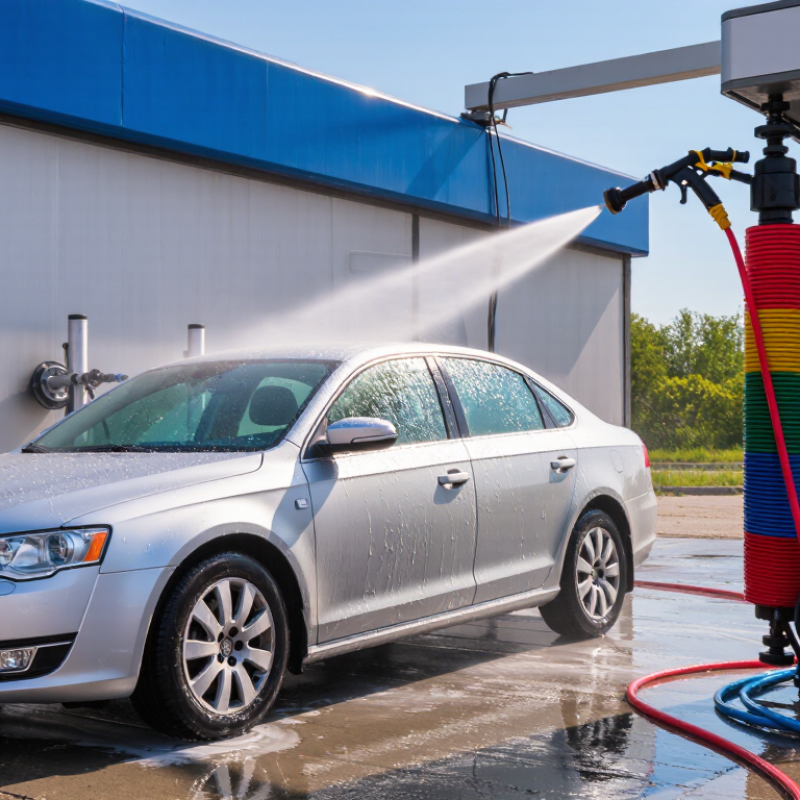
A pressure car wash machine is a powered cleaning system that sprays water through a narrow nozzle. Its pump increases water pressure and creates a focused stream. This stream loosens road dust, mud, salt, and oily film from a vehicle’s exterior. Unlike a garden hose, it uses pressure to clean more efficiently, often with less water. The machine usually includes a motor, pump, hose, spray gun, nozzle, and detergent container.
The best choice depends on pressure, water flow, noise, portability, and control. Moderate pressure is generally safer for painted panels, wheels, and plastic trim. Too much force can damage loose badges, aging seals, or chipped paint. A wider spray pattern works well for broad surfaces. A narrower pattern helps with stubborn dirt, but it needs more distance and care. Never aim directly at electrical connectors or damaged bodywork.
Keep some distance.
In practical use, I rinse the car from top to bottom before adding soap. This prevents loose grit from dragging across the paint. I have sometimes moved the nozzle too close while chasing a dark mark. That was unnecessary and risky. Good results come from steady movement, clean water, and a suitable nozzle, not maximum pressure. After washing, inspect the hose, fittings, and trigger for leaks. Small faults can reduce performance and make the machine harder to control.
Which Pressure Specifications Matter Most?
Choosing the best pressure car wash machine starts with specifications, not dramatic advertising claims. In my driveway tests, water delivery mattered more than extreme pressure. PSI measures force, while GPM measures water flow. A machine rated at 2,000 PSI and 2.0 GPM may remove dirt more consistently than one claiming 2,800 PSI with limited flow. Numbers need context.
Focus on operating PSI rather than peak PSI. Peak ratings often describe brief laboratory conditions. A stable operating pressure is more useful for wheels, paint, and lower panels. For routine car washing, moderate pressure with a suitable nozzle reduces the risk of lifting damaged paint or forcing water into seals. A calibrated gauge helps verify performance. Cheap gauges can mislead.
Motor duty cycle also matters. A machine with thermal protection can handle longer cleaning sessions more safely. Check hose length, connector quality, and water inlet requirements before buying. I once chose a compact unit with impressive pressure, but its short hose made roof cleaning awkward. That decision was convenient on paper and frustrating in practice. Foam performance depends on the detergent attachment, water flow, and dilution control, not PSI alone. Quiet operation may matter too, especially in residential areas. The best specification is the one that matches your water supply, vehicle condition, and actual washing routine.
Which Top Pressure Car Wash Machine Is Best? - Which Pressure Specifications Matter Most?
| Machine Type |
Rated Working Pressure |
Water Flow |
Cleaning Power
PSI × GPM ÷ 1,000 |
Power Source |
Typical Water Temperature |
Best Application |
| Compact Electric |
1,500 PSI |
1.3 GPM |
2.0 |
120 V electric motor |
Cold water |
Light-duty car washing, wheels, bicycles, and occasional home use |
| Standard Electric |
2,000 PSI |
1.8 GPM |
3.6 |
120 V electric motor |
Cold water |
Regular vehicle washing, mud removal, and moderate driveway cleaning |
| Commercial Electric |
2,500 PSI |
2.2 GPM |
5.5 |
240 V electric motor |
Cold water |
Frequent vehicle washing, fleet maintenance, and demanding cleaning schedules |
| Gas-Powered Cold-Water |
3,000 PSI |
2.5 GPM |
7.5 |
Four-stroke gasoline engine |
Cold water |
Mobile use, heavy mud, larger vehicles, and locations without dependable electricity |
| Hot-Water Commercial |
3,000 PSI |
3.0 GPM |
9.0 |
Electric pump with fuel-fired heater |
140–200°F |
Professional car washing, grease, oily road film, and high-volume commercial work |
|
Specification priority: For vehicle washing, compare rated working pressure and water flow together rather than relying on maximum advertised PSI. A practical target for regular car washing is approximately 1,500–2,500 PSI with 1.3–2.2 GPM. Use a wide-angle nozzle, maintain a safe distance from paint and trim, and confirm that the water supply meets the machine’s required flow rate.
|
What Features Improve Cleaning Safety and Efficiency?
Which Top Pressure Car Wash Machine Is Best?
What Features Improve Cleaning Safety and Efficiency?
A dependable pressure car wash machine should offer adjustable pressure, not just maximum force. High pressure can remove mud quickly, but it may damage paint, rubber seals, or delicate trim. I prefer a clear pressure gauge and an easy control dial. These features help match water force to each surface. A short, balanced spray gun also reduces wrist strain during long cleaning sessions. Small details matter.
Safety begins with automatic shutoff and a secure trigger lock. A ground-fault protection device adds valuable protection around wet working areas. The hose should resist twisting and remain flexible in cold conditions. Stable wheels and a wide frame prevent sudden movement on sloped floors. I once ignored hose placement and nearly tripped over it. That mistake still affects how I set up equipment.
Cleaning efficiency depends on more than pressure. Adjustable detergent flow can loosen road film before rinsing. A wide-angle nozzle covers large panels, while a narrow nozzle reaches wheel gaps. Quick-connect fittings save time, although cheap fittings may leak sooner than expected. Check seals, filters, and electrical cables before every session. Wear eye protection and closed footwear. Test the spray on a hidden area first, because even careful operators can misjudge a surface.
How Can You Choose the Best Machine for Your Needs?
Which Top Pressure Car Wash Machine Is Best?
The best machine depends on your water supply, cleaning volume, and available power. A higher PSI rating does not automatically mean better cleaning. Pressure and flow must work together. A practical comparison should measure cleaning speed, noise, hose reach, and recovery time. Check the pump’s rated pressure, gallons per minute, motor duty cycle, and nozzle options. Small sites may need 1,500–2,000 PSI with moderate flow. Busy facilities often require stronger continuous performance and larger water management systems.
Water use deserves close attention. The U.S. Environmental Protection Agency’s WaterSense at Work report estimates about 43 gallons per vehicle for conveyor systems and 60 gallons for in-bay automatic washing. Reclaim systems can reduce fresh-water demand, but filtration quality affects nozzle life and finish quality. Watch the spray pattern. Uneven pressure can leave dirt around mirrors, wheel arches, and license-plate recesses. Those small misses matter.
Power requirements can change the purchase decision. A machine that performs well during testing may struggle when several users share one electrical circuit. Measure the outlet, drainage, hose length, and winter storage conditions before ordering. My first comparison would focus too heavily on maximum pressure. That was a poor assumption. Real performance depends more on stable flow, maintenance access, and operator control. A useful trial includes a dirty vehicle, a timed wash, and a measured water volume. Ask for documented test conditions, not only impressive specifications.