What Is the Best Self Car Wash Machine in 2026?
Choosing the best Self Car Wash Machine in 2026 requires more than comparing price tags and polished product photos. Modern machines combine high-pressure water, foam systems, drying tools, payment controls, and water-management features. Each part affects customer satisfaction, operating costs, and long-term reliability.
In practical evaluations, cleaning power is only one measure. A dependable machine should create dense foam, maintain steady pressure, and rinse without leaving cloudy marks. Its controls must feel simple, even when users wear wet gloves. Water recovery systems can reduce waste, while durable hoses and corrosion-resistant panels may lower maintenance needs. Small details matter.
This guide examines leading machines through performance, safety, service support, energy use, and total ownership cost. It considers manufacturer specifications, warranty terms, replacement-part access, and feedback from real operators. A machine that performs well for one busy site may struggle in freezing weather or limited drainage spaces. That assumption can fail.
The best choice depends on traffic volume, available utilities, local climate, and customer expectations. Some buyers may value fast cycles, while others need gentler settings for delicate finishes. Honest comparisons must acknowledge uncertainty. Published claims are not always equal to years of field use. This review aims to connect technical evidence with practical experience, helping readers choose equipment that remains useful after the showroom shine fades.
What Is a Self Car Wash Machine and How Does It Work?
What Is the Best Self Car Wash Machine in 2026?
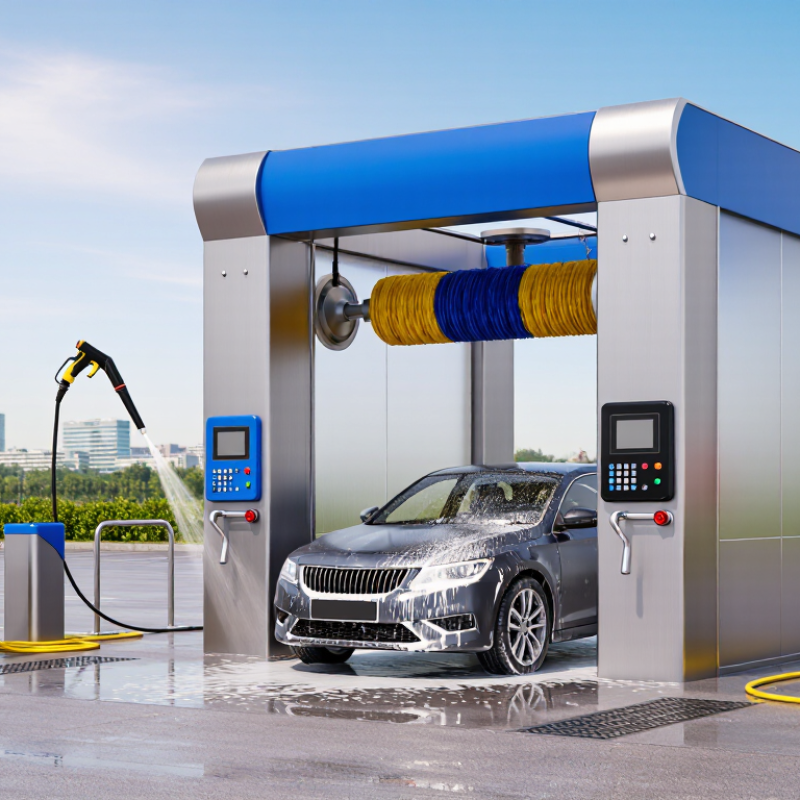
A self car wash machine lets drivers clean their vehicles without staff operating the bay. The system usually includes a payment controller, high-pressure pump, foam brush, spray wand, and rinse options. A customer selects soap, water, wax, or spot-free rinse. The controller then opens specific valves and controls each service for a fixed period. Simple in theory.
The best self car wash machine should deliver stable pressure, clear instructions, reliable payment processing, and easy maintenance. International Carwash Association research reports that self-service washing can use about 15 gallons of water per vehicle, although soil level and wash time change the result. Water recycling can reduce freshwater demand further, but filters need frequent inspection. Dirty filters lower pressure quickly. That detail is often ignored.
A well-designed bay should keep electrical controls protected from spray and provide visible emergency shutoff instructions. The U.S. Environmental Protection Agency notes that washing a vehicle with a running hose can use more than 100 gallons, while professional facilities generally use far less. Actual savings depend on equipment settings and customer behavior. I would choose a machine with adjustable pressure, durable hoses, accurate timers, and accessible service panels. Fancy screens are less important than dependable pumps. My judgment may be incomplete; long-term performance still depends on installation quality, cleaning routines, and local water conditions.
What Is the Best Self Car Wash Machine in 2026? - What Is a Self Car Wash Machine and How Does It Work?
Comparison of common self-service and automated vehicle-washing systems
| Machine Type |
How It Works |
Typical Water Use per Vehicle |
Typical Pressure |
Typical Wash Time |
Main Advantages |
Best Application |
| Self-Service High-Pressure Bay |
The user selects functions such as pre-soak, high-pressure wash, foam brush, rinse, wax, and spot-free rinse through a control panel. |
Approximately 30–80 liters (8–21 gallons) |
Approximately 70–120 bar (1,000–1,750 psi) |
5–10 minutes |
Good user control, suitable for heavily soiled areas, and generally lower equipment complexity than automatic systems. |
Drivers who want control over the cleaning process and operators serving multiple vehicle sizes. |
| Touchless Automatic System |
Sensors measure the vehicle profile while high-pressure water and detergents clean the exterior without physical brushes touching the paint. |
Approximately 100–180 liters (26–48 gallons) |
Approximately 70–120 bar (1,000–1,750 psi) |
5–8 minutes |
No brush contact, consistent cycle times, and convenient for vehicles with delicate or unusual exterior accessories. |
Sites prioritizing brush-free cleaning and unattended or low-labor operation. |
| In-Bay Automatic Brush System |
A stationary machine applies detergent and uses soft cloth or foam components that move around a parked vehicle. |
Approximately 90–150 liters (24–40 gallons) |
Approximately 50–90 bar (725–1,300 psi) |
4–7 minutes |
Fast cleaning, effective removal of road film, and a familiar automated customer experience. |
High-throughput locations where speed and repeatable cleaning are important. |
| Portable or Compact Pressure-Wash Unit |
A compact pump, hose, spray gun, and chemical system supplies pressurized water for manual vehicle cleaning. |
Approximately 20–60 liters (5–16 gallons) |
Approximately 80–150 bar (1,160–2,175 psi) |
10–20 minutes |
Small footprint, flexible installation, and useful for locations with limited space or lower vehicle volume. |
Small service areas, residential facilities, workshops, and mobile cleaning operations. |
How a self car wash machine works:
Water is supplied from a mains connection or storage tank, then filtered and pressurized by a pump. A control system activates selected wash programs, while chemical injectors mix detergents, foam, wax, or drying agents into the water stream. Depending on the system, sensors, timers, payment controls, water recycling, and spot-free rinse equipment manage the wash cycle.
Selection guide: A self-service high-pressure bay is usually the most versatile choice when customer control, flexible cleaning, and moderate water use are priorities. A touchless automatic system is preferable when brush-free cleaning and reduced operator involvement are more important. Actual water consumption, pressure, wash time, and installation requirements vary according to vehicle size, nozzle design, local regulations, recycling equipment, and selected wash programs.
Which Features Define the Best Self Car Wash Machine in 2026?
The best self car wash machine in 2026 is defined by practical performance, not a bright touchscreen. It should deliver stable pressure, accurate chemical dosing, and clear instructions in rain, dust, and cold weather. A machine that is difficult to use will lose customers quickly. Keep it simple.
Water management is now a major buying factor. The International Carwash Association reports that professional washing can use about 44 gallons of water per vehicle, compared with roughly 116 gallons during a typical home wash. Therefore, the strongest equipment should include water recycling, filtration, leak detection, and adjustable spray controls. Recycling must not reduce cleaning quality. Poor filtration can create odors, blocked nozzles, and expensive downtime.
Payment flexibility also matters. The machine should accept contactless payments, cards, and secure mobile options, while showing prices before the wash begins. Remote monitoring can report low detergent, pump faults, or unusual water use before a customer notices. Grand View Research’s car wash services market analysis identifies automation and digital service tools as important growth drivers through the decade. Yet automation is not a substitute for maintenance. I would inspect hose joints, emergency stops, drainage, and winter protection before trusting any specification sheet. No machine is perfect. A slightly slower system may be better if it remains reliable during peak weekend demand.
What Is the Best Self Car Wash Machine in 2026?
A high-performing self-service car wash machine should balance cleaning power, resource efficiency, reliability, user convenience, safety, and maintenance requirements. The chart shows a practical evaluation-weight model for comparing machines without using company or brand data.
Cleaning performance and water efficiency receive the highest weighting because they directly affect wash quality, operating costs, and environmental impact. Reliability, payment convenience, safety, and ease of maintenance are also essential features for long-term commercial operation.
How to Compare Self Car Wash Machines by Performance and Cost
What Is the Best Self Car Wash Machine in 2026?
The best self car wash machine depends on measured output, not the lowest quotation. Compare pump pressure, flow rate, motor efficiency, payment controls, and recovery options. A strong machine should keep pressure stable when several bays operate together. That detail is often missed. Field testing should include a muddy vehicle, a 10-minute wash, and repeated start-stop cycles. Record water use, electrical load, foam consistency, and service interruptions.
According to U.S. EPA WaterSense guidance, self-service washing can use roughly 12–15 gallons of water per vehicle when equipment is properly adjusted. That figure makes water control a real cost factor. The International Carwash Association also reports continuing consumer demand for professional car cleaning, but demand alone does not guarantee profit. Estimate revenue by local traffic, average ticket value, operating hours, rent, water, electricity, repairs, and payment fees. EIA commercial electricity data can help create a regional energy estimate. Use local utility rates, not a generic spreadsheet.
Tips:
Request a three-year total-cost model. Include filters, hoses, nozzles, software, and winter protection. Test the machine before signing. A lower purchase price may hide higher downtime. I would also question optimistic supplier projections. They can be useful, but real bay traffic is usually less predictable. Choose replaceable components and accessible service points. Performance should be measured after six months, not only on installation day.
Which Machine Types Suit Different Car Wash Locations?
The best self car wash machine in 2026 depends heavily on location. A highway site needs speed, while a neighborhood site needs control and affordability. International Carwash Association consumer research from 2024 identifies convenience, location, and service time as major customer priorities. These factors should guide equipment selection.
High-pressure self-service bays suit fuel stations, small lots, and areas with frequent repeat customers. They allow drivers to choose foam, rinse, wax, and vacuum services. The U.S. Environmental Protection Agency’s WaterSense at Work guide reports that self-service washing can use about 15 gallons per vehicle. In-bay automatic machines may use around 60 gallons. They suit compact urban locations, where labor savings and fast vehicle movement matter. Conveyor systems fit larger sites with steady traffic and longer queues. However, they require more land, drainage capacity, and maintenance planning.
Tips: Measure peak-hour traffic before buying equipment. Watch water pressure at the busiest time. A powerful pump means little when several bays run together. Choose reclaim systems where local water costs are high. Check winter protection, payment controls, and spare-part access. A cheaper machine may create higher repair costs later. That mistake is easy to underestimate. Clean, bright bays also influence trust, but appearance cannot fix slow equipment. Test a complete wash cycle personally before signing a purchase agreement.
How to Choose the Right Self Car Wash Machine for Your Needs
What Is the Best Self Car Wash Machine in 2026?
Choosing the right self car wash machine starts with your site, not its advertised speed. Measure daily vehicle volume, available floor space, drainage, water pressure, and electrical capacity. A busy roadside location may need a fast, rugged system with simple controls. A residential or small commercial site may benefit from lower power use and easier maintenance. Grand View Research’s 2024 Car Wash Services Market report identifies convenience and automation as major growth factors. However, automation does not remove operating costs.
Water use deserves careful attention. Research published by the International Carwash Association found that professional washing systems can use substantially less water than typical home washing. Some in-bay systems use about 20 gallons per vehicle, while home washing can exceed 100 gallons. Actual results depend on recycling equipment, spray pressure, and maintenance. I would not trust a low-water claim without checking the test method. Ask for measured consumption, replacement-part availability, noise data, and service records.
Tips: Test the machine with several vehicle sizes before purchasing. Watch the drying stage closely. Weak airflow can leave mirrors and door handles wet. Choose clear instructions, emergency stops, durable hoses, and accessible filters. Review local water and electrical requirements with a qualified technician. A cheaper machine may become expensive when pumps, sensors, or payment controls fail. Leave room for repairs. That detail is easy to overlook.