Why Choose a Commercial Car Wash Machine?
A Car Wash Machine Commercial can turn a busy site into a faster, more consistent service operation. It controls water pressure, detergent dosing, brush movement, and drying time. Customers notice the difference beside a wet entrance mat and a clean exit lane.
The International Carwash Association’s 2023 Consumer Study reported that about 72% of consumers choose professional car washing services. That preference supports investment in dependable equipment, especially where traffic changes hourly. Grand View Research valued the global car wash services market at approximately $34.25 billion in 2023. It also projected a 6.1% compound annual growth rate from 2024 to 2030. These figures suggest opportunity, but they do not guarantee profit.
Industry consultant Robert Roman offers a useful warning: “A successful wash is a system, not a single machine.” Equipment must match vehicle volume, site layout, labor skills, maintenance access, and local water conditions. A tunnel system may suit a high-traffic location. A rollover machine may fit a smaller property with limited space. Self-service bays can provide flexibility, though they require clear instructions and reliable payment systems.
The numbers look convincing.
Yet the decision is rarely perfect.
A machine can save labor and improve consistency, but poor maintenance quickly creates downtime, streaks, and customer complaints. Operators should review service records, warranty coverage, energy use, water recovery, and spare-part availability before purchasing. A practical site test remains valuable. Watch one complete wash cycle. Listen for unusual vibration. Check the drying result closely. That small exercise may reveal more than a polished brochure.
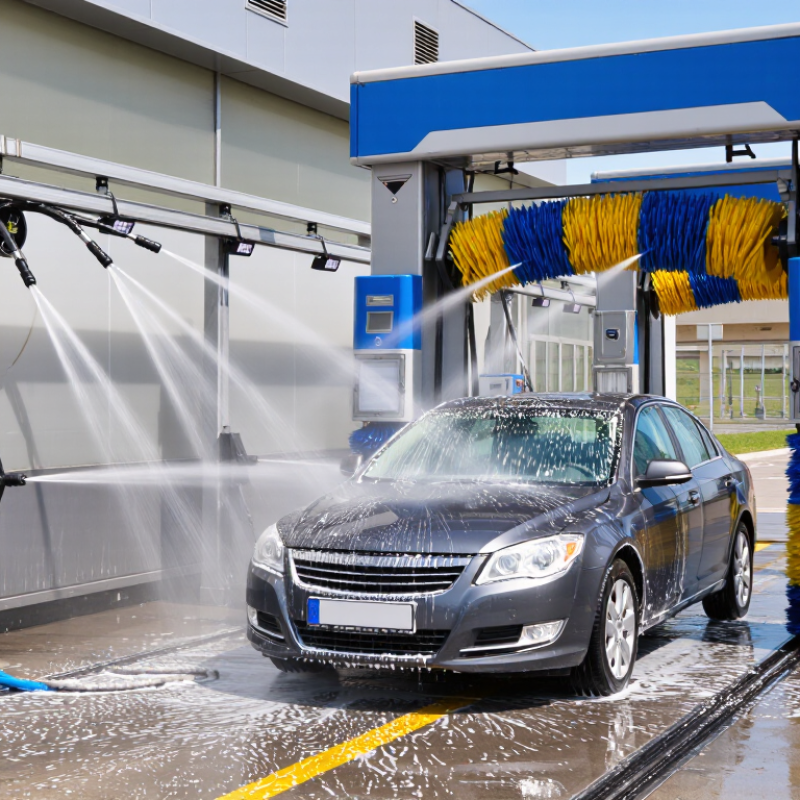
A commercial car wash machine is professional equipment designed to clean many vehicles efficiently. It is more than a pressure washer. A typical system may include pumps, rotating brushes, foam applicators, water heaters, dryers, control panels, and water-recovery units. Each part manages a specific stage of the wash.
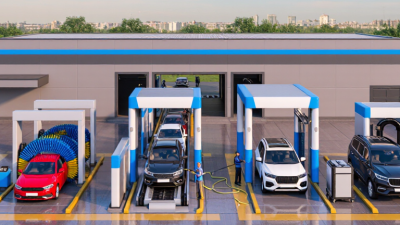
In a busy wash bay, the machine guides water and detergent across a vehicle with controlled pressure. Sensors can detect vehicle size and adjust the cleaning cycle. Conveyor systems move cars through tunnel washes, while in-bay automatic systems clean vehicles inside one fixed space. Self-service equipment gives customers separate tools and timed controls. These differences affect space, labor, maintenance, and daily capacity.
Commercial machines are built for repeated operation, but they are not maintenance-free. Filters collect grit, nozzles can clog, and brushes may hold small stones. I have found that a neglected filter often reduces cleaning quality before operators notice it. That detail is easy to miss. Water temperature, chemical concentration, and drying speed also require regular checks. More pressure does not always mean better cleaning; it may damage delicate surfaces or leave uneven results. A reliable setup should match the site’s vehicle volume, drainage design, available power, and staff skills. Choosing only by purchase price can create higher repair costs later. A practical inspection schedule is often less exciting, but it protects consistency.
Why Choose a Commercial Car Wash Machine?
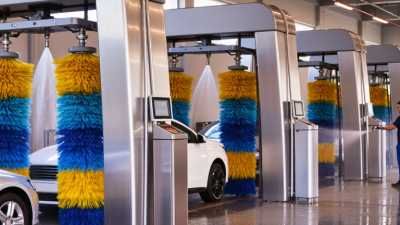
A commercial car wash machine combines controlled water flow, cleaning chemicals, mechanical action, and timed drying. The vehicle enters the wash bay and stops at a marked position. Sensors detect its location, size, and movement. This information helps the controller select a suitable wash sequence. Safety sensors can stop the system if a person, obstacle, or mechanical fault appears.
The cleaning cycle usually begins with a pre-rinse that loosens dust, mud, and road salt. Foam or detergent then covers the vehicle surface. In brush systems, rotating soft brushes contact the body panels and wheels. Touch-free systems use high-pressure water jets instead. Their results depend heavily on nozzle distance, water pressure, and chemical concentration. More pressure is not always better. It can spread dirt or damage weak paint.
After washing, clean water removes remaining detergent. Some systems apply protective treatments before powerful air dryers push water from mirrors, seams, and windows. Water-recovery equipment may filter and reuse part of the wash water, reducing daily consumption. Operators still need to inspect filters, brushes, pumps, and sensors regularly. Small problems matter. A clogged nozzle can leave a dirty stripe, while worn brushes may clean unevenly. Commercial equipment saves time, but it does not replace careful maintenance or trained judgment.
| Evaluation Dimension | Typical Commercial Specification | How the Machine Works | Business Value |
|---|---|---|---|
| Vehicle Throughput | Approximately 20–100 vehicles per hour, depending on the equipment type, conveyor speed, wash package, and site layout. | Vehicles are guided through a programmed sequence of pre-rinse, chemical application, brushing or high-pressure washing, rinsing, drying, and exit. | Supports higher daily capacity than manual washing. |
| Main Equipment Types | Conveyor tunnel systems, in-bay automatic systems, and self-service high-pressure bays. | Conveyor systems move the vehicle through fixed stations; in-bay systems move the washing equipment around a stationary vehicle; self-service systems allow customers to select wash functions. | Allows operators to match equipment with available space, traffic volume, and service model. |
| Typical Wash Cycle | About 3–10 minutes for an automated wash, excluding queueing and payment time. | Programmable controllers coordinate pumps, valves, brushes, arches, sensors, and dryers in a timed sequence. | Creates consistent service times and predictable customer flow. |
| Water Consumption | Fresh-water use commonly ranges from about 35–150 liters per vehicle, depending on the system and wash program. | Water is delivered through calibrated spray nozzles, high-pressure pumps, arches, and rinse systems. Efficient systems may use reclaim water for selected stages. | Lower water use can reduce utility costs and support water-management goals. |
| Water-Reclaim Capability | Many commercial systems can be integrated with settling tanks, filtration, and reclaim-water storage. | Used water is collected, screened, settled, filtered, and sometimes treated before being reused for compatible wash stages. | Reduces freshwater demand, although final rinse quality may require fresh or treated water. |
| Cleaning Method | High-pressure spray, friction brushes or cloth material, detergents, foaming agents, and spot-free rinse options. | Pre-soak chemicals loosen dirt; mechanical or touch-free cleaning removes soil; rinse stages remove remaining chemicals before drying. | Provides repeatable cleaning performance when chemical concentration, pressure, and equipment settings are maintained correctly. |
| Drying System | High-volume air dryers, commonly using multiple blowers positioned above and beside the vehicle. | Blowers direct controlled air streams across glass, panels, mirrors, and contours to remove residual water. | Improves finish quality and reduces manual towel drying. |
| Labor Requirement | Automation can reduce the number of employees needed per vehicle compared with fully manual washing, but attendants are still required for safety, customer service, cleaning, and maintenance. | Payment, vehicle positioning, equipment monitoring, and wash selection can be partially automated. | Helps control labor costs while maintaining operational oversight. |
| Energy Requirements | Electrical power is used for pumps, motors, controls, lighting, blowers, and water-treatment equipment. | Motors drive pumps, conveyors, brushes, and dryers, while sensors and programmable controls manage operating sequences. | Energy-efficient motors, variable-speed controls, and scheduled operation can help reduce consumption. |
| Vehicle Safety Controls | Common controls include photoelectric sensors, emergency-stop switches, vehicle-position sensors, and conveyor monitoring. | Sensors detect vehicle position and movement, helping coordinate equipment operation and stop the system when an unsafe condition is detected. | Reduces the risk of equipment contact, incorrect positioning, and process interruptions. |
| Chemical Management | Detergent, presoak, wax, drying aid, and tire-care products are normally dispensed through metering systems. | Dosing pumps mix chemicals with water at controlled ratios and deliver them at designated wash stages. | Accurate dosing improves cleaning consistency and helps prevent unnecessary chemical use. |
| Routine Maintenance | Daily inspection and cleaning, plus scheduled checks of nozzles, brushes, belts, pumps, filters, sensors, hoses, and chemical lines. | Operators remove debris, verify fluid levels, inspect moving parts, and replace worn components according to service intervals. | Regular maintenance improves uptime, wash quality, and equipment service life. |
| Space Requirement | Space varies significantly: in-bay units generally require less process length, while conveyor tunnels need longer buildings and vehicle queuing areas. | The equipment layout determines the required entry, wash, drying, exit, payment, and traffic-management zones. | Equipment selection can be aligned with the property size and expected traffic volume. |
| Operating Consistency | Wash quality is governed by programmed timing, water pressure, chemical concentration, brush condition, and dryer performance. | Automatic controls repeat the same process parameters for each vehicle while allowing selectable wash packages. | Produces more consistent results than relying entirely on individual manual techniques. |
| Best-Suited Applications | High-traffic retail locations, fleet washing, dealerships, service centers, fuel stations, and dedicated wash facilities. | The system can be configured for rapid express washing, customer-operated washing, or attended service operations. | Provides scalable options for different customer volumes and operating models. |
Note: Actual throughput, water use, energy consumption, cycle time, and space requirements vary by equipment configuration, vehicle size, wash package, local regulations, and site design.
Why Choose a Commercial Car Wash Machine?
What Benefits Does Commercial Car Wash Equipment Offer?
Commercial car wash equipment delivers consistent cleaning across busy operating hours. It can handle repeated cycles without relying entirely on manual labor. That matters. A vehicle enters with muddy tires, dusty panels, and road film beneath the doors. Properly adjusted brushes, pressure systems, and drying units address these areas more evenly. Operators can also select programs for compact cars, vans, or heavily soiled vehicles.
Commercial systems can improve water control through measured spray patterns and recovery equipment. Water still matters. Reclaim systems may reduce fresh-water demand when they are maintained correctly. Sensors can regulate detergent use and help prevent unnecessary chemical waste. However, savings are not automatic. Poor calibration, clogged filters, or neglected pumps can quickly reduce efficiency. Regular inspections and maintenance records make performance easier to verify.
Another benefit is predictable workflow. Clear controls help staff manage queues during busy periods and reduce avoidable mistakes. Safety features, emergency stops, and guarded moving parts support safer daily operation. Operators should still train employees and follow local safety requirements. A machine may clean quickly, but it cannot replace judgment. Some vehicles need pre-rinsing, manual attention, or a slower cycle. Ignoring that detail can leave dirt around mirrors, wheel arches, and license areas.
Commercial car wash equipment can deliver consistent cleaning while using significantly less fresh water per vehicle than a typical driveway wash.
A professional commercial wash uses about 43 gallons of fresh water per vehicle on average, compared with up to 100 gallons for washing at home. This represents a potential reduction of approximately 57 gallons per vehicle, while automated equipment also improves process consistency and operational efficiency.
Reference: U.S. EPA WaterSense guidance. Values are rounded benchmark figures for comparison.
A commercial car wash machine should earn its space, labor, and maintenance costs. The International Carwash Association reports that roughly seven in ten drivers use professional car washes. That demand rewards consistent cleaning, not flashy equipment.
Start with water efficiency and cycle control. Industry studies cited by the association place conveyor washing near 43 gallons of fresh water per vehicle without effective reclaim systems. Choose adjustable pressure, water recycling, and accurate chemical dosing. These features reduce waste while protecting paint, sensors, and trim. EPA WaterSense guidance also emphasizes leak prevention and efficient flow management. Small leaks become expensive quickly.
Reliability matters more than peak speed. Look for stainless-steel components, accessible filters, emergency stops, and clear diagnostic displays. A machine that stops during Saturday traffic can damage customer trust. Check service access before installation. Technicians should reach pumps and nozzles without dismantling half the system.
I have seen specifications look impressive while routine maintenance remained awkward. That weakness is easy to miss.
Tips: Compare total operating cost, not only purchase price. Request verified water-use data under normal cycles. Test noise levels during operation. Confirm staff training and replacement-part availability. Leave room for human judgment; automation still needs inspection. A sensor can miss dried mud. A rushed operator can miss both.
Choosing the right car wash machine starts with business conditions, not impressive specifications. A high-volume site near offices may need a fast conveyor system. A small workshop may benefit from a compact in-bay unit. The International Carwash Association’s 2023 consumer research reported that nearly 70% of drivers used a professional car wash during the previous year. That demand matters, but traffic alone does not guarantee profit.
Measure vehicles per hour, available floor space, water pressure, labor costs, and local climate. Check the machine’s real cycle time, not only its advertised capacity. The U.S. Environmental Protection Agency’s WaterSense guidance shows that professional wash systems can use substantial water, while reclamation equipment can reduce freshwater demand. Ask for measured water use per vehicle. Also inspect maintenance access, drying performance, safety sensors, and service response times. A cheaper purchase can become expensive when brushes, pumps, or dryers require frequent attention. I have seen businesses focus on speed and overlook queue design. That mistake is easy to repeat.
Tips: Count peak-hour vehicles for two weeks. Leave space for queue growth. Request energy and water data from actual installations. Compare three-year operating costs, not just the purchase price. Test noise levels beside nearby buildings. Select equipment that your staff can clean and inspect safely. Do not assume the largest machine is best. The right choice may feel less impressive, but perform more consistently.