China Best Commercial Car Wash Machine Manufacturer?
Choosing the best commercial car wash machine manufacturer in China requires more than comparing prices. Operators must examine engineering experience, production quality, service reliability, and long-term operating costs. A dependable supplier should understand different sites, from compact urban wash bays to high-volume fleet facilities. It should also provide clear technical specifications, installation guidance, spare parts, and responsive maintenance support.
Real performance appears in practical details. Look for stainless-steel frames, corrosion-resistant components, stable water pressure, and durable brushes that protect vehicle paint. A professional manufacturer should explain washing capacity, drying performance, power consumption, and water recycling options without vague promises. Factory audits, product testing records, and verified customer references can strengthen trust. Certifications matter too, but paperwork alone cannot prove machine quality.
This is where the term Car Wash Machine Commercial becomes relevant. Buyers need equipment designed for repeated daily use, not machines adapted from light-duty applications. Ask how the system performs during winter temperatures, peak traffic, and unexpected downtime. Request videos from operating installations, not only polished showroom images. Visit the factory if possible.
Small details reveal serious suppliers.
Still, no manufacturer is perfect. Communication may slow during customization, and quoted capacity may differ from actual site results. These risks deserve honest discussion. The strongest Chinese manufacturers acknowledge limitations, recommend suitable configurations, and offer documented after-sales support. A careful comparison can help investors select equipment that balances efficiency, safety, wash quality, and total ownership cost. The best choice is not always the cheapest one. It is the supplier that consistently supports reliable cleaning results after installation.
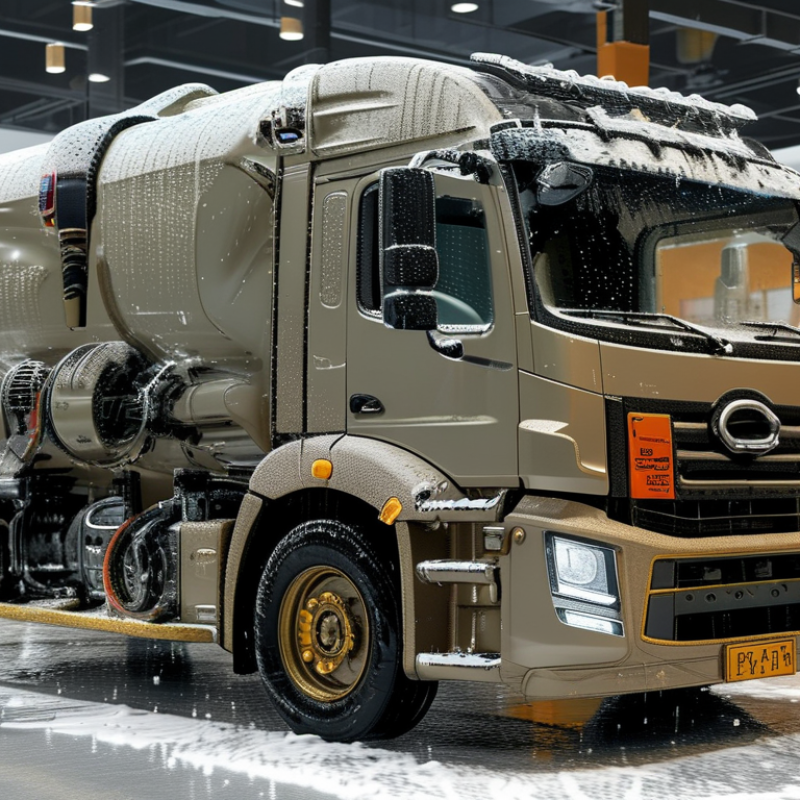
What Defines China’s Best Commercial Car Wash Machine Manufacturer?
What Defines China’s Best Commercial Car Wash Machine Manufacturer?
China’s best commercial car wash machine manufacturer is not simply the lowest-cost supplier. It must convert factory experience into stable, measurable performance. Grand View Research valued the global car wash services market at about $34.91 billion in 2023. That growth increases pressure on operators to reduce downtime and improve vehicle throughput.
Look for manufacturers that publish testing results, not vague claims. A reliable system should show brush life, pump pressure, drying speed, and average wash-cycle time. In a busy site, a clear control panel matters. So does quick access to filters, motors, and dosing pumps. International Carwash Association research reported average fresh-water use near 14.9 gallons per vehicle for conveyor systems. Therefore, water-reclaim design deserves serious attention. Recovery tanks, oil separation, and adjustable spray control can reduce waste, but only when technicians maintain them correctly.
Factory audits reveal more than polished brochures. Ask for weld inspection records, electrical safety testing, corrosion protection details, and spare-parts availability. Request a live acceptance test with a vehicle, not only a video. One weakness remains common: manufacturers may promise high capacity under ideal conditions. Real sites face mud, winter grime, unstable water pressure, and poorly trained staff. The strongest supplier admits these limits and offers practical commissioning, operator training, remote diagnostics, and local service support. Reliability is proven after installation.
| Evaluation Dimension | Practical Benchmark | What a Professional Manufacturer Should Provide | Importance | Business Impact |
|---|---|---|---|---|
| Manufacturing Quality System | A documented quality management system aligned with ISO 9001 principles and traceable inspection records. | Quality procedures, incoming-material inspection, production checklists, final testing records, and corrective-action documentation. | High | Reduces inconsistent assembly, repeat defects, and unexpected installation problems. |
| Electrical and Machine Safety | Electrical protection, emergency stopping, grounding, overload protection, and risk-control measures designed for commercial use. | Electrical schematics, safety test records, operating instructions, risk assessment, and conformity documentation for the destination market. | High | Protects operators, customers, vehicles, and site infrastructure while supporting regulatory compliance. |
| Water and Chemical Efficiency | Published water-consumption data per vehicle, adjustable chemical dosing, and compatibility with water-recycling systems where applicable. | Measured consumption figures, nozzle specifications, dosing calibration procedures, filtration requirements, and wastewater-management guidance. | High | Lowers utility costs and supports environmentally responsible car-wash operation. |
| Throughput and Operating Stability | A clearly stated vehicle-per-hour range based on defined wash programs, staffing assumptions, and site conditions. | Factory test results, cycle-time information, duty-cycle limits, recommended operating procedures, and overload or fault-handling logic. | High | Helps operators select equipment that can meet peak demand without excessive downtime. |
| Corrosion and Environmental Protection | Corrosion-resistant materials or protective finishes for wet areas, with suitable enclosure protection for the installation environment. | Material specifications, coating information, enclosure ratings where relevant, drainage design, and cleaning instructions. | High | Extends service life in humid, chemical-exposed, and high-use environments. |
| Maintenance and Spare-Parts Support | A preventive-maintenance schedule, replaceable wear parts, parts identification, and a defined spare-parts process. | Parts lists, maintenance intervals, troubleshooting guides, service videos or manuals, and documented response procedures. | High | Shortens repair time and improves equipment availability over the operating life. |
| Customization and Site Adaptability | Configuration options for local voltage, water pressure, drainage, bay dimensions, control language, and climate conditions. | Technical drawings, utility requirements, installation layouts, interface specifications, and pre-shipment engineering confirmation. | Medium | Reduces costly site modifications and improves compatibility with different commercial locations. |
| Testing Before Shipment | Functional testing of mechanical, electrical, control, water, and safety systems before dispatch. | Factory acceptance test checklist, inspection photographs or videos, serial-number tracking, and signed release documentation. | High | Identifies assembly or control issues before equipment reaches the installation site. |
| Installation and Training | Clear installation guidance and operator training covering safe operation, cleaning, maintenance, and emergency procedures. | Installation manuals, commissioning checklists, training materials, remote support, and optional on-site technical assistance. | High | Improves start-up efficiency and reduces misuse-related damage or safety incidents. |
| Warranty and After-Sales Service | Written warranty terms that define coverage, exclusions, response channels, and spare-parts responsibilities. | Warranty certificate, service-level commitments, escalation process, technical-support contact, and documented case-handling workflow. | High | Reduces operational risk and provides a measurable basis for supplier comparison. |
| Total Cost of Ownership | Evaluation based on purchase price, installation, utilities, chemicals, labor, maintenance, spare parts, and expected service life. | Transparent quotations, utility assumptions, maintenance-cost estimates, consumables information, and lifecycle-support details. | High | Prevents low initial price from hiding higher long-term operating and maintenance costs. |
| Export and Documentation Capability | Accurate commercial, technical, packaging, and shipping documentation suitable for the destination market. | User manuals, packing lists, invoices, certificates, wiring diagrams, spare-parts lists, and export packaging specifications. | Medium | Supports smoother customs clearance, installation, staff training, and future maintenance. |
Related Posts
-
China Best Commercial Car Wash Machine Suppliers?
-
China Top Commercial Car Wash Machine Suppliers?
-

2026 Top Electric Car Wash Machine Types for Global Buyers
-

2026 How to Choose the Best Car Wash Machine For Business Success?
-

Top Tips for Choosing Car Wash Machines for Business Success?
-
Top 10 Car Wash Machines for Business Success Factors?