2026 Best Car Wash Machine Equipment Types?

Choosing the best Car Wash Machine Equipment for 2026 requires more than comparing purchase prices. Operators must examine wash volume, labor availability, water use, site length, vehicle mix, and local customer expectations. The International Carwash Association’s consumer and industry research continues to show strong demand for convenient professional washing. That demand supports investment in automated systems, but it does not make every machine suitable for every location.

Current equipment categories include touchless automatic units, friction rollover systems, tunnel conveyors, self-service bays, steam systems, and mobile wash equipment. Grand View Research’s car wash service market analysis highlights automation, digital payment, and water-efficiency technology as important market trends. EPA WaterSense guidance also emphasizes reclaim systems, controlled spray pressure, and efficient nozzles. These details matter when a busy site handles hundreds of vehicles weekly. A reliable conveyor needs smooth belt movement, clear safety sensors, and brushes that remain properly adjusted.

The word “best” needs caution. A touchless machine may protect delicate finishes, yet it can require stronger chemicals and longer cycles. A friction tunnel can deliver impressive throughput, but poor brush maintenance may create customer complaints. A small operator might prefer a compact rollover unit, while a high-volume site may need multiple pay stations and dryer capacity. IBISWorld industry analysis also points to operating costs, competition, and regional demand as important business factors. This guide compares equipment types through practical performance, maintenance needs, water management, safety, and long-term value. Some choices remain uncertain. Field testing is still essential.
2026 Best Car Wash Machine Equipment Types?

Car Wash Machine Equipment: Definition and Core Functions

2026 Best Car Wash Machine Equipment Types?

Car Wash Machine Equipment: Definition and Core Functions

Car wash machine equipment includes automated systems that apply water, detergents, brushes, pressure, and drying air. Its purpose is simple: remove road film while controlling labor, water use, and vehicle contact. Common equipment includes rollover units, conveyor tunnels, high-pressure arches, vacuum stations, water-reclaim systems, and dryers. Each type suits a different site layout and washing volume.

The International Carwash Association reports that professional facilities wash billions of vehicles globally each year. Its water-conservation research found that conveyor washes can average about 44 gallons per vehicle, while in-bay systems often use less. Actual consumption changes with reclaim technology, nozzle pressure, wash settings, and local maintenance. The numbers are useful, but not universal.

Core functions should be checked in real operating conditions. A pump must deliver stable pressure. Sensors should detect vehicle position accurately. Brushes need controlled contact, especially around mirrors and antennas. Dryers require balanced airflow rather than simple power. Water-reclaim equipment filters suspended dirt before reuse. It can reduce freshwater demand, but poor filtration may affect finish quality.

Energy performance also deserves attention. The U.S. Department of Energy identifies motors, pumps, compressors, and heating systems as major commercial energy loads. Efficient components can lower operating costs, though savings depend on daily traffic and service habits. My practical concern is often overlooked: equipment specifications can look impressive on paper. Operators still need to inspect spray patterns, record water consumption, and review failure logs. No machine is perfect. A small calibration error can waste water every hour.

Main Types of Car Wash Machines and Their Operating Methods

2026 Best Car Wash Machine Equipment Types?
Main Types of Car Wash Machines and Their Operating Methods

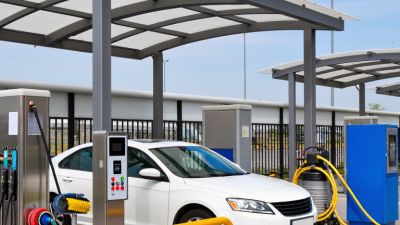
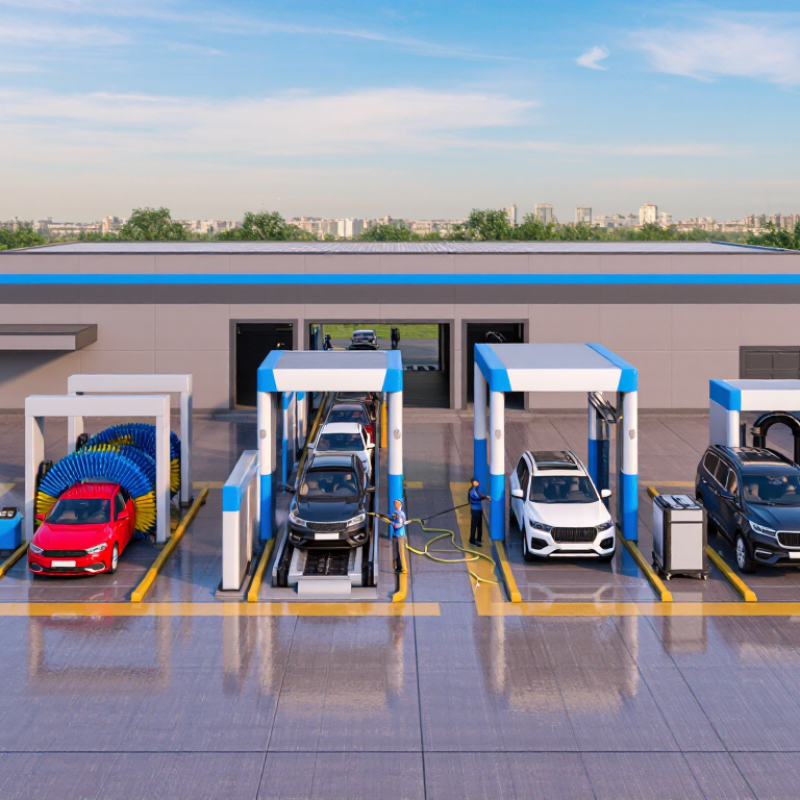
Car wash equipment usually falls into four practical categories. Self-service bays use high-pressure pumps, foam brushes, wax applicators, and rinse nozzles. Drivers select each function from a control panel and guide the wand around the vehicle. This method offers control and suits muddy vehicles that need focused cleaning. Water pressure must remain strong but not excessive. A careless setting can damage loose trim or force water past worn seals.

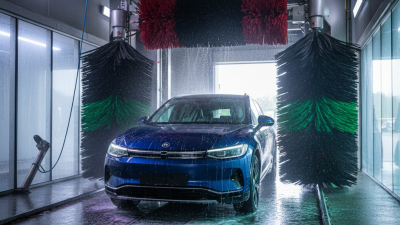
Automatic in-bay machines clean a stationary vehicle with either rotating brushes or touchless spray arches. Friction systems use soft cloth or foam materials to loosen road film. Touchless systems depend on chemical dwell time, heated water, and precise spray angles. They reduce contact scratches, but stubborn grime may remain. That trade-off matters. Operators should inspect nozzles, brushes, dryers, and chemical levels every day.

Tunnel or conveyor systems move vehicles through several stages. Pre-rinse arches soften dirt, foam curtains lubricate surfaces, and rotating equipment performs the main wash. Dryers then remove most standing water. Conveyor speed must match cleaning time and vehicle spacing. A faster line is not always better. Poor alignment can leave mirrors, wheels, or rear panels dirty. In my experience, small calibration errors become obvious during busy hours. Reclaim tanks, filters, emergency stops, and drainage areas also need regular checks. Each machine type requires trained operation, documented maintenance, and adjustment for local water conditions.

Key Components and Technologies in Modern Car Wash Systems

Modern car wash equipment in 2026 depends on how well its core components work together. A reliable system uses high-pressure pumps, rotating brushes, foam applicators, dryers, and controlled chemical dosing. Each part affects cleaning quality, water use, and vehicle safety. Pressure sensors help maintain consistent flow, while proximity sensors reduce contact with mirrors, antennas, and delicate trim. Small calibration errors can still leave dirty lower panels.

Water management has become a central technology. Filtration units remove dirt before water reaches pumps or spray nozzles. Recycling tanks can support repeated washing when operators monitor contamination carefully. Fresh-water rinses remain important for a clearer finish. Poor maintenance weakens the entire process. Clogged filters, worn seals, and unbalanced brushes often create problems that software cannot correct.

Automation adds useful control, but it should not replace trained inspection. Touchless systems use timed spray patterns and chemical dwell periods, while friction systems depend on soft materials and accurate movement. Variable-frequency drives can reduce energy waste by adjusting motor speed during quieter cycles. Remote monitoring may show pressure, temperature, and fault data in real time. However, data is only helpful when technicians understand the equipment behind it. I would not choose the fastest machine automatically. Site drainage, vehicle volume, climate, and available maintenance skills deserve equal attention. Some advanced features look impressive, yet they may increase service complexity without improving every wash.

2026 Best Car Wash Machine Equipment Types

Key components and technologies in modern car wash systems, compared by typical processing capacity.

The chart uses representative midpoints from common operating ranges for commercial wash equipment. Self-service bays generally process fewer vehicles because customers operate the equipment themselves, while conveyor systems achieve higher throughput through belt or chain movement, automated chemical application, high-pressure pumps, dryers, payment controls, and optional water-reclaim systems. Actual capacity varies with site layout, wash-program length, staffing, vehicle mix, and local regulations.

How to Choose Equipment for Different Car Wash Business Models

2026 Best Car Wash Machine Equipment Types?

How to Choose Equipment for Different Car Wash Business Models

The right equipment depends on how customers use your site. A self-service wash usually needs durable pressure washers, foam brushes, coin or contactless payment controls, vacuums, and clear bay lighting. Choose adjustable pressure settings for different vehicle surfaces. Keep controls simple. A confusing panel slows every customer.

An automatic tunnel requires conveyor systems, rotating brushes or touchless arches, dryers, chemical dosing pumps, and water-reclaim equipment. Measure the site before buying anything. Conveyor length, entrance space, drainage, and electrical capacity directly affect throughput. A high-speed system is not automatically better. If the exit area is too short, vehicles may queue onto public roads. That hurts safety and customer trust.

Mobile operators and small detailing businesses need compact pressure washers, water tanks, wet-dry vacuums, steam cleaners, generators, and portable wastewater collection. Equipment weight matters more than impressive specifications. A machine that is difficult to load may reduce daily jobs. For fleet washing, select larger tanks, long hoses, reliable pumps, and easy maintenance access. Record water use, cleaning time, and repair frequency for several weeks. Real operating data beats a sales estimate. I would also leave room for mistakes in the budget. Filters clog, nozzles wear, and weather changes demand. Space matters. Choose equipment with documented safety features, available technical support, and replaceable components from dependable suppliers.

Installation, Maintenance, Safety, and Cost Considerations

Choosing the best car wash machine equipment in 2026 depends on site size, traffic, water supply, and labor capacity. Automatic gantry systems suit smaller properties with limited space. Tunnel equipment handles higher vehicle volumes but needs careful layout planning. Self-service bays remain practical where customers prefer control. Each option has trade-offs.

Installation should begin with a measured site survey. Check drainage slopes, electrical capacity, water pressure, and vehicle clearance before delivery. Leave service access around pumps, filters, dryers, and control panels. A narrow maintenance path creates problems later.

Technicians should test emergency stops, sensors, water recycling, and chemical dosing before opening. One overlooked cable can delay the entire launch. I have seen schedules fail because concrete curing was underestimated.

Maintenance records should include nozzle inspections, belt tension, filter changes, leaks, and unusual motor sounds. Daily rinsing prevents chemical buildup around arches and brushes. Safety barriers, warning signs, lockout procedures, and staff training are essential. Never bypass a sensor to save time. It may seem harmless. Cost planning must include installation, drainage work, utilities, water treatment, consumables, labor, insurance, and replacement parts. Energy-efficient dryers can reduce operating costs, but their purchase price is higher. Budgeting only for the machine is a common mistake. A monthly reserve for repairs makes the business more resilient, although the right amount requires local usage data.