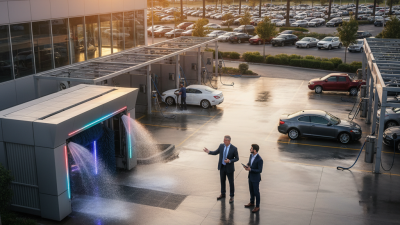
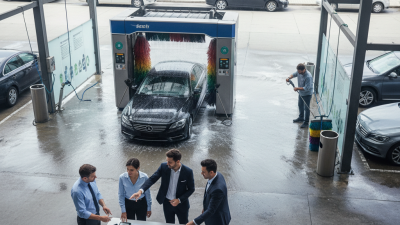
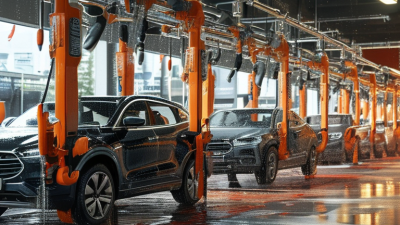
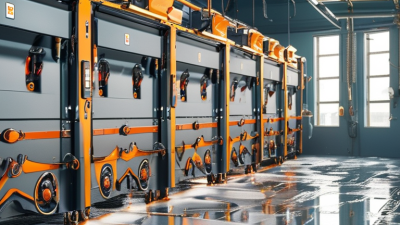
China has become a major manufacturing base for automated washing equipment, tunnel systems, rollover units, and commercial pressure washers. This matters because equipment buyers now compare more than purchase price. They examine water recovery, drying performance, chemical control, energy use, and after-sales support. A Car Wash Machine Commercial solution must perform consistently during heavy daily traffic, not only during a factory demonstration.
Industry reports support this expanding opportunity. Grand View Research identifies rising vehicle ownership, urbanization, and demand for professional cleaning as important drivers of the global car wash services market. The International Carwash Association’s consumer research also shows strong customer preference for professional wash facilities in several mature markets. These trends create room for capable Chinese suppliers, especially those offering modular systems, remote diagnostics, and documented spare-parts support. However, market figures vary between research companies. Definitions are not always identical. Buyers should check the original methodology before trusting a large forecast.
This guide evaluates China’s best commercial car wash machine suppliers through practical criteria. Manufacturing experience matters. So does engineering evidence. Look for CE documentation where applicable, electrical safety testing, water-consumption data, installation records, and transparent warranty terms. A supplier should explain brush material, pump pressure, conveyor speed, drying capacity, and expected maintenance intervals. Ask for references from comparable sites, not only polished showroom videos. The cheapest quotation may become expensive after a failed sensor, delayed part, or poorly trained technician. Some supplier claims still need deeper verification. That is worth admitting. Reliable procurement depends on factory audits, sample testing, contract clarity, and measurable service commitments.
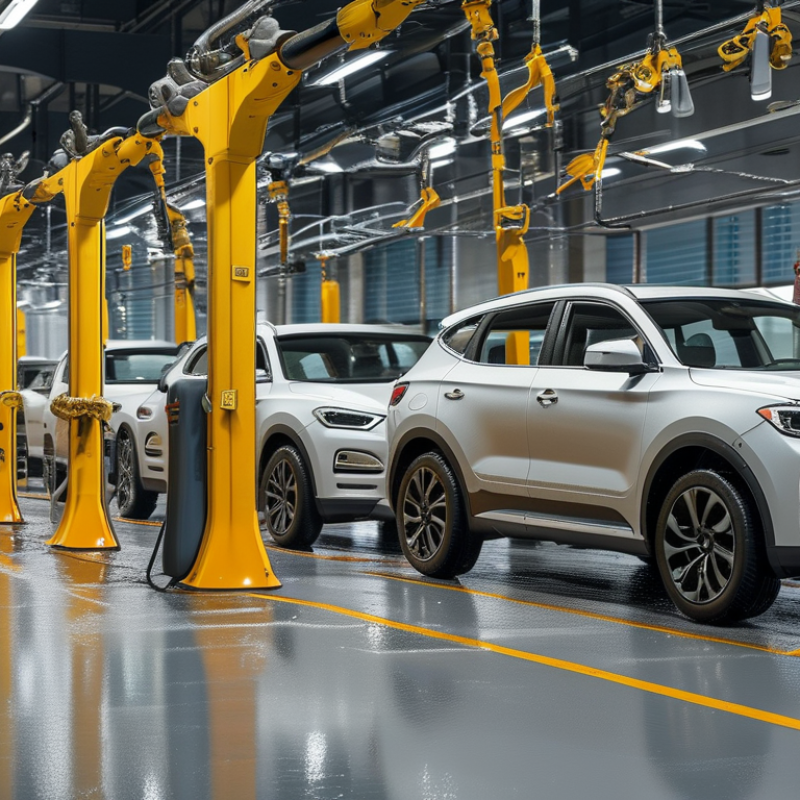
A commercial car wash machine supplier in China is more than a factory with stainless-steel equipment. It should understand daily wash volumes, water pressure, vehicle sizes, and site drainage. An experienced supplier can recommend a tunnel system, rollover unit, or self-service bay based on measured demand. Not guesses. During factory evaluation, buyers should inspect welded frames, pump rooms, control cabinets, and spare-part storage. Clean wiring and labeled components reveal production discipline.
Professional knowledge also appears in documents. A dependable supplier provides performance data, installation drawings, maintenance schedules, and safety instructions in clear English. It should explain brush materials, drying capacity, detergent dosing, and expected water consumption. Factory testing matters. Ask for recorded checks on leakage, electrical protection, noise, and emergency stops. Third-party inspections can add useful evidence, especially when the order is large or customized.
Reliability is tested after shipment. The supplier needs trained technicians, remote troubleshooting, replacement parts, and practical response times. A written warranty helps, but service records matter more. No supplier gets everything right. Delays, unclear manuals, or slow technical replies may appear before installation. That weakness matters. Buyers should request customer references, production photos, and a realistic delivery plan. A strong Chinese supplier accepts detailed questions and admits technical limits. That honesty is part of commercial value.
China Best Commercial Car Wash Machine Suppliers?
Choosing a Chinese supplier starts with the site, not the machine catalog. Tunnel systems suit busy locations with steady traffic and larger footprints. The International Carwash Association’s 2023 U.S. Consumer Study found that roughly seven in ten consumers use professional car washes, supporting demand for high-throughput operations. However, a tunnel needs careful conveyor design, drainage, drying space, and trained maintenance staff. Not every site fits.
In-bay automatic systems require less land and can serve hotels, fuel stations, and compact urban sites. Touchless units reduce brush contact, but they may need stronger chemicals, higher pressure, and additional drying time. Self-service bays offer lower staffing needs and flexible customer control. ICA water-use research reports about 15 gallons per vehicle for self-service washing, compared with approximately 43 gallons for many automatic systems. Actual consumption changes with recycling equipment, cycle settings, and local water conditions.
Experienced buyers should request tested wash-cycle data, pump specifications, electrical drawings, spare-parts lead times, and service response records. ISO documentation helps, but it does not replace factory inspection or a live demonstration. Suppliers should explain wastewater recovery, emergency stops, winter protection, and software access in plain language. A lower purchase price can become expensive after repeated sensor failures. I would also question impressive capacity claims; they often reflect ideal conditions, not muddy vehicles on a busy weekend.
| Evaluation Dimension | Tunnel Car Wash | In-Bay Automatic | Touchless Automatic | Self-Service Bay |
|---|---|---|---|---|
| Typical operating model | Vehicles move continuously through a conveyor-based wash line. | One vehicle remains stationary while an automated gantry or rollover unit moves around it. | A high-pressure in-bay system cleans the vehicle without brushes contacting the paint. | Customers operate high-pressure washing and vacuum equipment by themselves. |
| Typical throughput | 30–100 vehicles per hour, depending on conveyor speed, tunnel length, staffing, and payment design. | Approximately 8–20 vehicles per hour per bay. | Approximately 8–15 vehicles per hour per bay because longer chemical dwell and rinse cycles are common. | Approximately 4–8 customer washes per hour per bay, depending on selected wash time and customer behavior. |
| Typical wash cycle | About 3–8 minutes from entry to exit, excluding queue time. | About 5–10 minutes per vehicle. | About 7–12 minutes per vehicle. | Usually 5–15 minutes, controlled by the customer’s selected program. |
| Cleaning method | Conveyor, presoaking, mechanical brushes or cloth, high-pressure rinsing, wax, and drying modules. | Automated rollover equipment with rotating brushes, cloth or foam material, chemical application, rinsing, and drying. | Presoak chemicals, high-pressure water, spot-free rinse, and air drying; no physical brush contact. | Customer-controlled high-pressure wash, foaming brush, rinse, wax, and optional vacuum or air service. |
| Vehicle capacity | Suitable for high daily volumes and mixed vehicle sizes when the conveyor and clearance are properly designed. | Suitable for passenger cars, SUVs, and light vans within the equipment’s dimensional limits. | Suitable for most passenger vehicles; heavy dirt, mud, or oily contamination may require additional chemical action. | Suitable for cars, SUVs, and light commercial vehicles, subject to bay height, width, and hose reach. |
| Indicative water consumption | Approximately 30–60 US gallons per vehicle with effective reclaim and water-management systems. | Approximately 40–70 US gallons per vehicle, depending on programs and reclaim capability. | Approximately 50–80 US gallons per vehicle because high-pressure rinsing can require more water. | Approximately 15–35 US gallons per customer wash, depending on wash duration and equipment settings. |
| Water-reclaim suitability | High; reclaim tanks, filtration, and treatment are commonly integrated into high-volume installations. | Moderate to high; reclaim systems can reduce freshwater demand and wastewater discharge. | Moderate; filtration and treatment are important because suspended solids and chemical loads may be higher. | Moderate; reclaim is possible but must be designed around multiple independent bays and customer-controlled use. |
| Typical site footprint | Large; commonly requires a dedicated building, conveyor lane, queue area, vacuum area, and drying zone. | Medium; one wash bay plus equipment room, payment area, drainage, and vehicle queuing space. | Medium; similar to other in-bay systems, with additional space often needed for high-pressure and drying equipment. | Medium to large; footprint increases with the number of bays, vacuum stations, equipment rooms, and traffic lanes. |
| Indicative initial equipment investment | US$1 million–US$4 million or more, excluding land and major construction in many markets. | US$150,000–US$500,000 per bay, depending on building condition, automation, and payment systems. | US$150,000–US$450,000 per bay, depending on pumps, dryers, water treatment, and site work. | US$100,000–US$250,000 per bay, excluding land and substantial civil construction. |
| Labor requirement | Medium to high; attendants are commonly needed for traffic control, loading, preparation, payment support, and detailing. | Low to medium; one attendant can often supervise payment, safety, cleaning, and customer assistance. | Low to medium; staff are generally needed for site supervision, chemical checks, and customer assistance. | Low direct labor requirement, although regular inspections, cleaning, maintenance, and cash or payment management remain necessary. |
| Paint-contact risk | Low to moderate when brushes or cloth are correctly maintained; trapped grit and worn materials can increase the risk. | Low to moderate with friction equipment; maintenance and frequent cleaning of contact materials are important. | Very low direct-contact risk because cleaning is performed without brushes touching the vehicle. | Low direct-contact risk from pressure equipment; customer misuse of a foaming brush can cause scratching. |
| Performance on heavy dirt | Strong, especially when presoak, friction, high-pressure rinse, and drying stages are correctly balanced. | Good for routine road film and moderate dirt; performance depends on brush or cloth condition. | Moderate; chemical dwell time and pressure are critical, and stubborn mud may not be fully removed without manual preparation. | Variable; results depend heavily on the customer’s technique, selected program, and time purchased. |
| Maintenance priorities | Conveyor alignment, pumps, brushes or cloth, dryers, chemical dosing, water reclaim, sensors, and safety controls. | Gantry movement, brushes or cloth, hydraulic or electric drives, dryers, pumps, sensors, and chemical dosing. | High-pressure pumps, nozzles, valves, dryers, chemical dosing, water treatment, and control software. | High-pressure pumps, hoses, spray guns, foam brushes, timers, payment terminals, vacuums, and drainage. |
| Recommended minimum supplier capabilities | Complete conveyor engineering, site-layout support, water-reclaim integration, safety certification, commissioning, and operator training. | Reliable gantry design, vehicle-detection sensors, remote diagnostics, spare-parts availability, and local installation support. | High-pressure system engineering, chemical-program support, pump protection, nozzle quality, water treatment, and technical training. | Durable bay hardware, vandal-resistant payment systems, modular spare parts, drainage guidance, and simple maintenance procedures. |
| Best suited for | High-traffic express wash sites, fuel stations, and commercial operations prioritizing maximum volume. | Existing fuel stations, dealerships, fleet locations, and sites with moderate traffic and limited space. | Sites serving customers who prioritize brush-free cleaning, specialty vehicles, or reduced direct paint contact. | Locations where low staffing, customer participation, flexible service options, and lower automation complexity are priorities. |
| Main limitations | Highest capital cost, large land requirement, more complex installation, and greater exposure to queue-management problems. | Lower throughput than a tunnel and limited to one vehicle per bay at a time. | Higher water and chemical demand may occur, and some baked-on or heavy contamination may require manual cleaning. | Throughput and cleaning consistency vary with customer behavior; equipment is exposed to misuse and weather conditions. |
Supplier comparison note: Before purchasing, request verified performance data, water-consumption test conditions, electrical specifications, installation drawings, warranty terms, spare-parts lead times, local service coverage, safety documentation, and total cost of ownership calculations.
A commercial car wash machine should be judged by measured output, not impressive brochure figures. During supplier evaluations, ask for timed tests using vehicles with different sizes and soil levels. A system rated at 80 vehicles per hour may deliver only 55 during busy periods. Queue design, drying time, and staff movement affect real capacity. Small delays become expensive.
Water consumption needs equal attention. Request usage data per vehicle, including rinsing, recycling, and final cleaning stages. A machine using 120 liters per car may appear efficient, but poor recovery can increase operating costs. Check filter access, tank capacity, and water quality requirements. Hard water creates maintenance problems quickly. Sometimes, the cheapest water-saving setting gives weaker cleaning results.
Energy figures should include pumps, dryers, heating elements, and standby power. Compare kilowatt-hours per vehicle under normal operating conditions. A powerful dryer may improve speed, yet it can raise electricity demand sharply. Ask suppliers to provide test records, maintenance schedules, and replacement-part availability. Independent inspection is useful when figures seem unusually perfect. I would remain cautious. Real sites are rarely perfect. Seasonal traffic, cold water, and inexperienced operators can change performance. A reliable supplier should discuss these limitations openly, not hide them.
China Best Commercial Car Wash Machine Suppliers?
When evaluating China’s best commercial car wash machine suppliers, certificates offer useful evidence. They are not automatic proof of performance. In equipment audits, I treat ISO 9001 as a process signal. It shows controlled procedures for design, purchasing, production, and corrective actions. Ask for the certificate scope, issuing body, expiry date, and covered factory. A certificate for trading activities may reveal little about machine assembly.
Read CE documents carefully. CE marking usually reflects the manufacturer’s declared conformity with applicable European requirements. It is not universal safety approval. Request the Declaration of Conformity, risk assessment, electrical test reports, and exact model list. For North American projects, UL evidence should match the control cabinet, components, and intended installation. A logo on a brochure is weak evidence. Verify listing details through the certification database or issuing organization.
Warranty data often reveals practical quality better than polished sales language. Compare coverage length, included parts, labor terms, response time, and exclusions. Ask about claims during the last twelve months. Check spare-parts availability and remote troubleshooting records. I once focused too heavily on certificate files and underestimated delayed support. That mistake was expensive. A reliable supplier should share inspection records, commissioning procedures, training plans, and customer references. Still, references can be selective. Confirm them independently.
China Best Commercial Car Wash Machine Suppliers?
Choosing a commercial car wash supplier requires more than comparing invoice prices. A lower-priced machine may consume more water, electricity, chemicals, and labor each month. Calculate total cost of ownership over five to eight years. Include shipping, customs, installation, training, maintenance, and replacement parts. Ask for measured water usage at a specific vehicle volume. Vague estimates deserve caution.
Parts support can protect your revenue during busy seasons. Confirm which pumps, sensors, hoses, and control components are locally stocked. Request a written response time and a complete spare-parts list. A useful supplier should provide manuals, wiring diagrams, troubleshooting guidance, and remote technical assistance. Ask for operating references from similar facilities. Photos are not enough.
Installation quality also affects return on investment. Check whether technicians supervise assembly, calibration, drainage, and safety testing. Poor calibration can leave vehicles wet, increase chemical waste, or create repeat washing costs. One project underestimated electrical upgrades and lost several operating days. That mistake still influences our supplier checklist. Build ROI using realistic wash volume, seasonal demand, labor costs, and downtime. Test the calculation with a slower month, not only an ideal week. Ensure the equipment meets applicable electrical, environmental, and workplace safety requirements before operation.
This anonymized benchmark compares three common supplier profiles using a five-year ownership model. Costs are shown in USD and include equipment, installation, planned maintenance and parts, utilities, and downtime allowance. Payback estimates assume 70 paid washes per day, 330 operating days per year, and an average contribution margin of $6 per wash. Actual results vary with site conditions, traffic, labor, water recycling, and service terms.