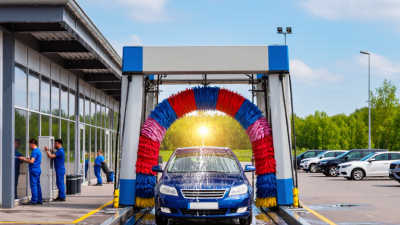
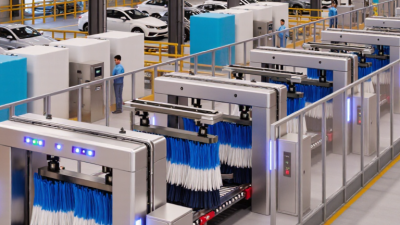
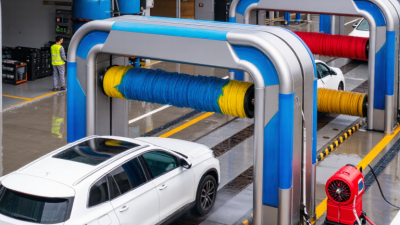
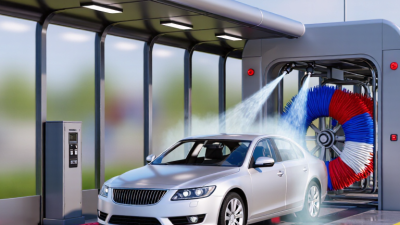
Choosing a commercial Car Wash Machine is not just a question of speed. The right system must match daily vehicle volume, available floor space, water supply, and the finish customers expect. A compact in-bay unit may suit a neighborhood site, while a busy express tunnel needs reliable conveyors, clear vehicle controls, and equipment that can handle repeated cycles. Small details matter. A poorly placed dryer can leave water on mirrors; an awkward service panel can turn routine maintenance into lost operating time.
Eric Wulf, an experienced car-wash industry executive, is a useful voice for operators evaluating equipment. The following line is an editorial summary, not a verified verbatim quotation: “Choose a wash system for the work your site actually does—not the capacity you hope to reach.” That distinction is easy to overlook. It is also worth questioning whether the most automated option is always the best fit; higher capability can bring greater service and training demands.
This guide to the 10 best car wash machines for commercial use compares practical strengths, from wash quality and throughput to maintenance access and operating needs. It is designed to help buyers ask sharper questions before investing. No machine suits every site. A careful comparison can reveal the trade-offs.
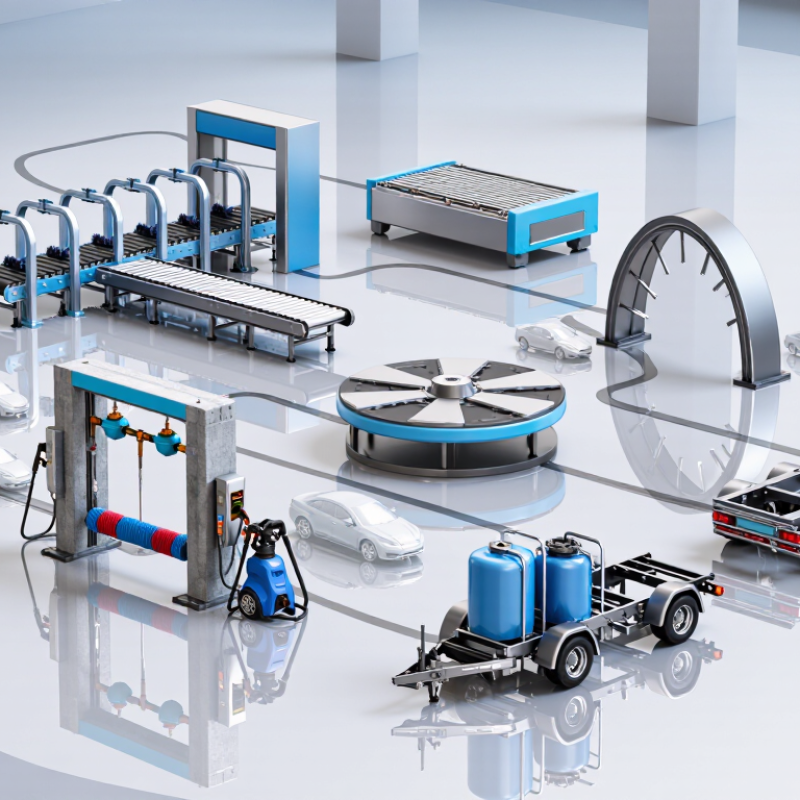
Commercial car wash machines are easier to compare by wash method and automation level than by price alone.
Touchless systems use high-pressure water and detergent, avoiding direct brush contact with paint. They suit sites serving vehicles with varied finishes, though heavy road film may require careful chemical tuning. Friction systems use cloth or foam media to loosen grime. Clean media matters. Neglected brushes can spread grit, so regular inspection is essential.
Self-serve bays give drivers control through spray wands, foam, and rinse settings, while staff involvement stays low. In-bay automatic machines move around a parked car, making them practical where space is limited. Tunnel or conveyor systems move vehicles past staged equipment and typically support higher throughput. More volume, more coordination. Water recovery, drainage, and queue design can become bottlenecks before the wash equipment does.
Automation ranges from operator-guided controls to programmed cycles with sensors, payment handling, and automatic chemical dosing. Manual and semi-automatic setups may cost less to configure, but labor and consistency depend on each shift. Fully automated lines reduce routine handling, yet still need trained checks of nozzles, sensors, belts, and dosing.
Keep a simple log of cycle times, chemical use, and recurring faults. A small leak can distort the numbers.
Choose according to vehicle mix, peak-hour demand, floor space, and maintenance capacity; the best fit is not always the most automated.
Choosing among ten commercial car wash machine types starts with the site: available frontage, water supply, drainage, and vehicle queue space. Grand View Research estimated the global car wash services market at US$31.1 billion in 2023, with projected growth of 5.3% annually from 2024 to 2030. That market context signals demand, not guaranteed machine profitability.
For compact sites, in-bay touchless systems reduce contact risk, while friction rollovers can clean faster but need brush maintenance. Hybrid rollovers combine both approaches. Express conveyor tunnels suit steady, high-volume traffic; full-service conveyors need more floor space, staff, and finishing bays. Self-serve pressure-wash bays offer customer control, while portable pressure washers fit smaller or flexible operations. Mobile wash rigs travel to customers but depend on reliable water and power access. Steam units use heat for targeted cleaning, though they may not match tunnel throughput. Detailing extractors handle seats and carpets, not whole-vehicle exterior washing. Fleet gantries accommodate repeat vehicle sizes, but unusual heights can be a problem. Water-reclaim equipment can support reuse, subject to local site and water-quality requirements. Capacity figures vary by wash time, staffing, and vehicle mix; published maximums rarely reflect a busy, imperfect day.
| Machine type | Best suited to | Typical site requirements | Indicative capacity | Core features | Key considerations |
|---|---|---|---|---|---|
| Touchless in-bay automatic | Fuel stations, small wash sites, and locations with limited space | One wash bay; vehicle queue and drying space; water, drainage, and electrical services | About 8–12 vehicles per hour per bay | Stationary vehicle; moving high-pressure spray arms; chemical application; no brushes contact the vehicle | Convenient for compact sites. Heavy soil may need extra pretreatment, and wash quality depends on chemicals, pressure, and cycle settings. |
| Friction in-bay automatic | Retail sites seeking a balance of throughput and cleaning performance | One wash bay with room for vehicle alignment, entry, and exit; water, drainage, and electrical services | About 8–15 vehicles per hour per bay | Moving gantry with cloth or foam cleaning media, rinse, and often drying functions | Contact washing can remove road film effectively, but media needs regular inspection and cleaning. |
| Hybrid in-bay automatic | Sites that want contact cleaning with supplementary high-pressure washing | One automatic bay; suitable vehicle queue space; water, drainage, and electrical services | About 8–13 vehicles per hour per bay | Combines friction media with high-pressure spray stages; cycle options may support different soil levels | Offers a middle ground between touchless and friction systems. Actual cycle time depends on selected wash programs. |
| Standard conveyor tunnel | High-demand sites with steady vehicle flow | Long building or covered lane; conveyor, entrance and exit zones; stacking space; water treatment and drainage | About 30–60 vehicles per hour | Conveyor moves vehicles through sequential wash, rinse, and drying stations | Needs more land and coordinated traffic flow than an in-bay system. Safe spacing and trained attendants are important. |
| Express exterior conveyor tunnel | High-volume locations focused on exterior washes | Long tunnel; vehicle stacking lanes; payment and loading area; substantial utilities and water-management capacity | About 60–120 vehicles per hour in suitably configured operations | Continuous conveyor workflow; multiple wash stages; optional wheel, underbody, and drying equipment | High potential throughput requires strong demand, careful loading, and adequate queue storage. Actual capacity varies with conveyor spacing and service mix. |
| Full-service conveyor tunnel | Sites offering exterior washing plus staffed interior cleaning | Conveyor tunnel plus interior-cleaning area, staff work zones, customer waiting space, and vehicle staging | About 15–35 vehicles per hour, depending on interior-service workload | Conveyor exterior wash paired with manual or assisted interior cleaning and finishing | Interior labor often limits total output. Staffing, service choices, and vehicle handoff procedures affect capacity. |
| Self-service pressure-wash bay | Rural, roadside, and value-focused sites serving customer-operated washes | One or more individual bays; drainage and water treatment; payment controls; weather protection where needed | About 3–6 vehicles per hour per occupied bay | Customer-operated pressure wand, foaming brush, and selectable soap, rinse, or wax programs | Throughput depends on how long customers use each program. Clear instructions and well-maintained hoses and controls support reliable operation. |
| Fleet or truck gantry wash | Commercial fleets, depots, buses, and compatible heavy vehicles | Large vehicle lane with adequate height and turning clearance; robust drainage and water supply; fleet staging space | About 4–12 vehicles per hour, depending on vehicle size and wash cycle | Gantry travels around a stationary vehicle; configurations may include high-pressure arches, brushes, or underbody washing | Confirm vehicle dimensions and permitted wash methods before installation. A system designed for passenger cars may not fit larger vehicles. |
| Commercial pressure-washer setup | Detailing bays, vehicle yards, and supplementary spot-cleaning tasks | Hose access, drainage, water supply, power or fuel provision, and safe separation from customers | Variable; typically a few vehicles per hour for targeted exterior cleaning, not a fixed automated line rate | Operator-directed high-pressure cleaning; portable or fixed equipment; optional detergent application | Cleaning time varies substantially with vehicle condition and operator technique. Pressure must be appropriate for the surface being cleaned. |
| Commercial steam-cleaning system | Detailing work, spot cleaning, and operations where controlled water use is a priority | Ventilated work area; electrical or fuel supply as required; wastewater handling and suitable cleaning procedures | Variable; commonly a few vehicles per hour for targeted work, with full detailing taking longer | Heated steam applied with operator tools; useful for selected interior and exterior detailing tasks | Not a direct substitute for a high-throughput tunnel. Results and cycle times depend on the surface, soil, and cleaning method. |
Planning note: Capacities are broad indicative operating ranges, not guaranteed equipment ratings. Actual throughput depends on cycle settings, vehicle size and condition, staffing, customer behavior, queue management, and site layout. Confirm utility, drainage, building, and local wastewater requirements with qualified professionals before selecting a system.
A tunnel rated for 30–160 cars per hour spans very different operating realities. At 30 cars, a vehicle enters roughly every 120 seconds; at 160, the interval falls to about 23 seconds. These are theoretical intervals, not guaranteed sales. Loading delays, vehicle spacing, payment time, and wash-package choices all affect actual output. The International Carwash Association’s industry estimates put U.S. professional car-wash volume at roughly 2 billion washes annually, but national demand cannot predict one site’s peak-hour queue.
Compare equipment using sustained throughput, not the fastest advertised cycle. Ask for the tested belt speed, vehicle spacing, and output under your expected vehicle mix. Then observe the entrance: a driver hesitating at payment can slow the whole line. Measure cars per hour during busy periods, and record stoppages separately from normal loading. A 160-car rating may need disciplined staffing and steady arrivals; a 30-car line may suit a site with lighter demand. The numbers are useful, but imperfect. Even a careful forecast can miss rainy-day surges or a slow payment lane.
Typical planning ranges in cars per hour. Express conveyor tunnels can handle approximately 30–160 cars per hour, depending on line design and operating conditions.
Throughput ranges are indicative, not guaranteed. Actual capacity varies with conveyor speed, vehicle spacing, wash package, staffing, and downtime.
For commercial buyers, gallons per vehicle reveal more than a machine’s advertised cycle time. ICA’s roughly 40-gallon benchmark offers a practical reference point when comparing equipment. Treat it as a yardstick, not a guarantee: vehicle size, wash settings, and reclaim systems can shift actual use. Small details matter.
ICA industry water-use materials estimate that washing at home can use roughly 80 to 140 gallons per vehicle, depending on hose use. That makes a professional system’s water performance worth measuring, not assuming. EPA’s WaterSense at Work guidance also recommends examining reclaim practices and operational controls when managing water use in commercial facilities. A comparison should separate fresh water from recirculated water; otherwise, two machines may look similar on paper while drawing very different amounts from the supply.
Ask suppliers for documented gallons-per-vehicle results under comparable wash conditions. Track several weeks of operation, including rainy days and muddy vehicles, then divide total fresh-water use by vehicles washed. Keep the meter readings. Results may be imperfect: staff habits and changing soil loads complicate neat comparisons. Still, a measured figure near 40 gallons gives operators a useful starting point for evaluating water efficiency alongside cleaning quality and throughput.
A useful commercial ranking starts with cars per hour, not the machine’s advertised maximum. Track completed washes during a busy shift, including loading delays and routine stops. A high-throughput conveyor may suit a crowded site, while an in-bay automatic system can fit tighter footprints. Peak numbers look impressive. Downtime changes the math.
Water efficiency deserves equal weight. The U.S. EPA’s WaterSense at Work guide notes that vehicle-wash water use varies by equipment type and recycling practices. Compare fresh water consumed per completed vehicle, using a meter rather than estimates. Check reclaim performance during muddy, high-volume days; filters and settling tanks need regular attention. The cleanest specification sheet may not reflect real operation.
Cost rankings should include installation, energy, chemicals, labor, and replacement parts over several years. Maintenance logs help reveal recurring nozzle clogs, pump wear, and service delays. Ask operators for repair frequency and typical downtime, then verify those figures against site records. One limitation: published throughput figures rarely use identical test conditions. Treat them as starting points, not promises. EPA WaterSense at Work, a technical guide for commercial facilities, is a useful reference for comparing water-saving measures alongside actual operating data.