How to Choose the Best Automated Car Wash System?

Choosing the best Automated Car Wash system is a site decision, not just an equipment purchase. Daily vehicle volume, available space, labor, utility capacity, and customer expectations all shape the right choice. Grand View Research estimated the global car wash services market at USD 34.7 billion in 2023 and projected a 6.1% compound annual growth rate through 2030. That points to a growing sector, not guaranteed returns for every operator. Important distinction.

Compare systems using measurable operating requirements. Check vehicles washed per hour, typical cycle time, water and energy use, chemical costs, maintenance intervals, and equipment warranty terms. Ask suppliers for figures from installations with similar traffic and climate. Then verify assumptions against your own site: a narrow entrance or a short queue lane can limit throughput, even when the machine is fast. Small details matter.

Also examine how the system handles real-world variation, including muddy vehicles, peak-hour surges, and changing staff experience. Request a demonstration, inspect service records, and speak with current operators where possible. No system is perfect. A low initial quote may hide higher upkeep, while the most advanced package may exceed what customers will pay for. The best choice balances dependable performance, manageable costs, and a wash experience people will return for. Test the numbers carefully; estimates can look cleaner than a working wash bay.
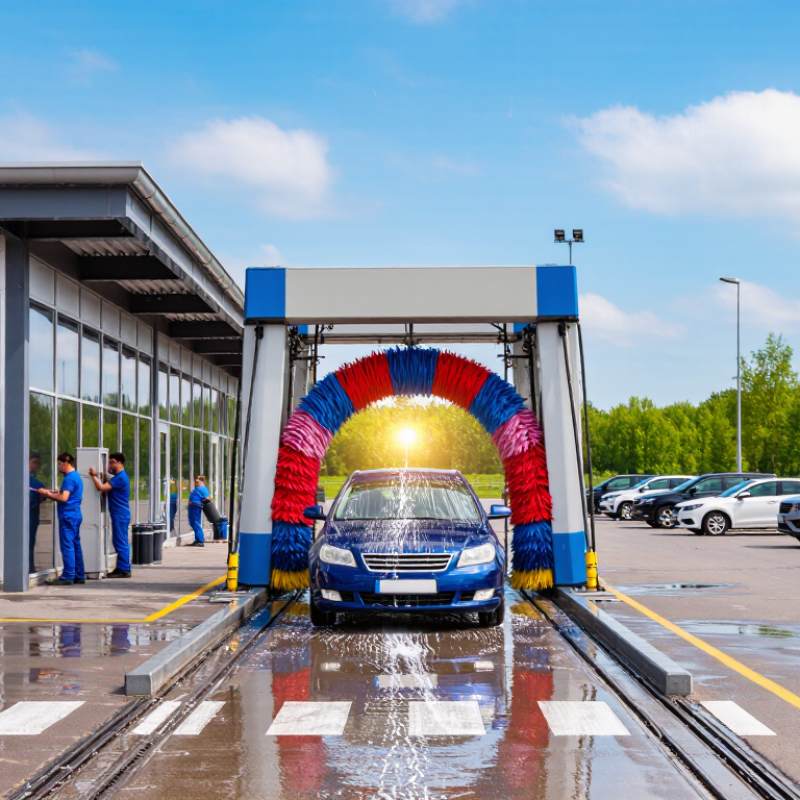
How to Choose the Best Automated Car Wash System?

Understand the Main Types of Automated Car Wash Systems

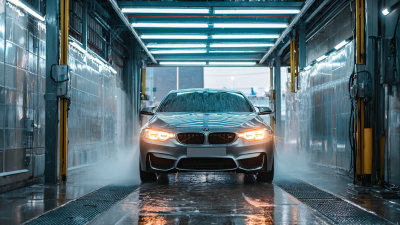
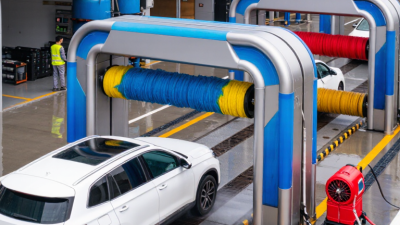
Automated car washes mainly use in-bay, tunnel, friction, or touchless designs. In an in-bay system, the car stays still while wash equipment moves around it. This suits sites with limited space and moderate traffic. Tunnel systems carry cars along a conveyor, making them useful where steady, higher-volume service is needed. They require more room and careful traffic flow.

Friction systems clean with soft cloth or foam materials that contact the vehicle. Touchless systems rely on water pressure and cleaning agents instead. Neither approach fits every car or soil condition. A muddy vehicle may need extra preparation, while poorly maintained equipment can affect results. Ask how operators inspect brushes, nozzles, chemical delivery, and water-recovery equipment. Watch a full wash cycle if possible. The process should feel orderly, not rushed. A tidy comparison chart can hide the inconvenience of a cramped entrance or a long queue.

Tips: Match capacity to peak-hour demand, not just average visits. Check vehicle clearance, drying performance, and routine maintenance needs. Ask what happens during equipment downtime. Small details matter. A system can look efficient on paper and still disappoint at the site.

Define Your Site, Vehicle, and Customer Requirements

How to Choose the Best Automated Car Wash System?

Define Your Site, Vehicle, and Customer Requirements

Start with the site, not the machine. Measure usable tunnel or bay length, entry clearance, turning space, queue capacity, drainage, and available utilities. A low canopy can exclude vans; a short approach can push waiting cars into traffic. Match the system to the vehicles customers actually bring, including pickups, roof racks, and wider tires. Then review hourly traffic and peak periods. A high-capacity system may look efficient on paper, but only if the site can hold cars safely.

Water use deserves a close check. The U.S. Environmental Protection Agency’s WaterSense at Work guide reports substantial variation among vehicle-wash systems, with automatic washes using roughly 30–85 gallons per vehicle, depending on equipment and operating conditions. Ask suppliers for measured use per wash, including reclaimed water, rather than relying on a broad estimate. Also compare cycle time, staffing needs, maintenance access, and the wash options customers will pay for. Small details matter. A cramped service area can make routine repairs slower than expected.

Compare Cleaning Performance, Capacity, and Operating Costs

Wash quality Choosing an automated car wash is a comparison of clean cars per hour, not just machine speed. Check coverage on mirrors, wheels, and lower panels, then test results on vehicles with ordinary road film. A clean-looking roof can hide dirty rocker panels. Ask operators to track rewash rates and inspect dried cars under bright, angled light. Small details matter.

Capacity & costs Capacity figures need context. A system’s advertised cycle time does not include queueing, payment, vehicle spacing, or drying delays. Measure completed vehicles during a busy hour, and note how often staff must intervene. For operating costs, calculate water, sewer, electricity, detergent, labor, repairs, and downtime per completed wash. The trade-off is real. A fast cycle may use more chemistry or leave more cars needing a second pass.

Water use Water use offers one concrete comparison. The International Carwash Association’s 2018 Water Use Study reported average freshwater use of 43.3 gallons per professional wash, compared with 116 gallons for home washing. These are study averages, not a guarantee for every site or machine. Reclaim equipment, local water conditions, and wash settings change the result. Request measured consumption and maintenance records from a comparable installation; figures on a sales sheet can be a little too tidy.

Assess Installation Needs, Safety Features, and Maintenance Support

Before selecting an automated car wash system, measure the site carefully. Record ceiling height, lane width, drainage locations, and available electrical capacity. A tape measure and a clear floor plan can prevent expensive changes later. Ask the installer to identify concrete, plumbing, or ventilation work before quoting the equipment. A low beam can matter.

Safety features deserve a hands-on review, not just a brochure check. Look for emergency stops within reach, clear vehicle-positioning guides, and sensors that detect obstacles or a misaligned car. Ask how staff should respond when a sensor stops a wash cycle. Then request a demonstration using the actual controls. Small details count. Maintenance support also affects daily reliability. Confirm which parts need regular inspection, how often they should be checked, and whether staff can perform routine tasks safely. Ask about technician response times, spare-part availability, and practical training for new employees. Written schedules help, though real sites rarely follow them perfectly. Keep a simple log of stoppages, repairs, and recurring faults; those notes can reveal patterns a quick walkthrough misses. A supplier’s promises sound reassuring, but get service terms and responsibilities in writing.

How to Choose the Best Automated Car Wash System? - Assess Installation Needs, Safety Features, and Maintenance Support

Assessment area In-Bay Automatic (Rollover) In-Bay Automatic (Touchless) Conveyor Tunnel
Best suited for Sites with limited space and a steady, moderate wash volume Sites prioritizing contact-free washing and a compact layout High-volume locations with sufficient land and vehicle queuing space
Installation considerations Requires a wash bay, equipment clearance, drainage, water supply, and suitable electrical service Requires a wash bay plus adequate space for spray equipment, drainage, and water treatment as required by local rules Requires a longer building and site layout for the conveyor, entrance, exit, and vehicle queue
Site checks before purchase Confirm bay dimensions, vehicle clearance, floor condition, utility capacity, and drainage route Confirm bay dimensions, water pressure and flow, drainage capacity, and space for pumps and treatment equipment Confirm building length, traffic circulation, queue capacity, utility availability, and local permitting requirements
Typical safety provisions to verify Emergency stops, vehicle-position sensors, equipment travel limits, and clear entry instructions Emergency stops, vehicle detection, pressure controls, and safeguards against unintended equipment movement Emergency stops, conveyor and vehicle sensors, guarded moving parts, and clearly marked operator zones
Operating and safety procedures Use posted vehicle-positioning instructions; keep people out of the bay during operation Keep occupants in the vehicle when instructed and follow the system’s entry and shutdown procedures Train attendants on conveyor loading, emergency stops, and keeping pedestrians clear of moving equipment
Routine maintenance focus Inspect brushes or cloth, moving arms, sensors, nozzles, filters, and chemical lines Inspect spray nozzles, pumps, filters, hoses, chemical dosing, and water-treatment equipment Inspect conveyor components, bearings, brushes, dryers, sensors, and chemical delivery systems
Maintenance support to request Written preventive-maintenance schedule, operator training, spare-parts availability, and service response terms Pump and control-system support, troubleshooting guidance, parts availability, and water-treatment advice Conveyor and control-system service, technician availability, operator training, and critical-parts lead times
Key trade-off Compact layout; brush or cloth condition and adjustment affect cleaning performance No brush contact; cleaning results depend on spray coverage, chemistry, water conditions, and vehicle soil level Designed for higher throughput; requires more space, infrastructure, and operational oversight
Planning note: Space, utility, safety, capacity, and maintenance requirements vary by equipment configuration, site conditions, and local codes. Confirm specifications with the equipment supplier and qualified site professionals before installation.

Select a System That Meets Your Long-Term Business Goals

Choosing an automated car wash system is a capital decision, not a speed contest. Start with the business you want five years from now: a high-volume express site, a compact in-bay operation, or a service focused on careful vehicle handling. Each model changes the space, staffing, throughput, and maintenance you’ll need. Measure peak-hour demand, not just daily averages. A queue at 5 p.m. can expose a system that looks efficient on paper. Small details matter. Check bay dimensions, drainage, utility capacity, and whether technicians can reach pumps without shutting down the whole operation.

Water use affects both operating costs and customer trust. The International Carwash Association’s water-use guidance estimates that a professional wash uses about 40 gallons per vehicle; hose washing at home can use considerably more. Treat these figures as benchmarks, not promises: reclaim performance depends on site design, soil load, and upkeep. Ask for measured gallons per vehicle, recovery rates, energy use, and service intervals under comparable conditions. Then model total ownership cost, including chemicals, labor, downtime, and replacement parts—not just the purchase price. One trade-off remains easy to underestimate: local traffic rarely matches a spreadsheet. Leave room for uncertainty, and favor modular upgrades and accessible service points so growth does not require an expensive rebuild.

How to Choose the Best Automated Car Wash System

Select a system that meets your long-term business goals

Use these qualitative planning scores to guide discussion, not as measured industry averages. Actual throughput, staffing needs, footprint, flexibility, and expansion potential depend on the site, equipment configuration, and operating model. Compare supplier specifications against your long-term goals.