10 Tips for Buying a Fully Automated Car Wash?
A Fully Automated Car Wash can look effortless from the driver’s seat. Behind that smooth curtain, however, sit pumps, sensors, payment systems, dryers, water treatment, and software. Choosing the wrong package may create slow queues, uneven cleaning, or expensive downtime. This guide introduces ten practical tips for evaluating equipment before signing a purchase agreement.
The advice reflects common operator concerns, including site traffic, vehicle dimensions, climate, labor planning, maintenance access, and customer expectations. A credible supplier should explain cycle times, water consumption, chemical compatibility, warranty coverage, training, and replacement-part availability clearly. Ask for documented performance data, then compare it with references from similar locations. Visit an operating site if possible. Watch a complete wash, listen for unusual vibration, and inspect the drying result under bright light.
Small details matter. A narrow entrance can reduce throughput. A poorly placed control panel can frustrate customers. A clogged filter can turn a profitable Saturday into a repair call. Yet no checklist predicts everything. Local weather, vehicle mix, and staff skills can change the outcome. Attractive projections often lose credibility when maintenance labor is ignored. That mistake is easy to repeat.
The goal is not to find the most automated system. It is to find a dependable system that fits your site, budget, and service promise. Use these ten tips to question assumptions, verify supplier claims, and make a more informed investment.
Understanding Fully Automated Car Wash Systems and Their Main Types
Understanding Fully Automated Car Wash Systems and Their Main Types
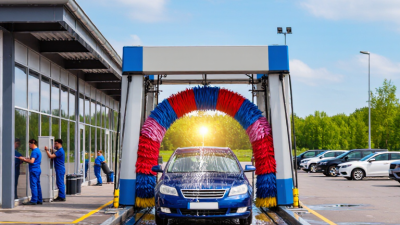
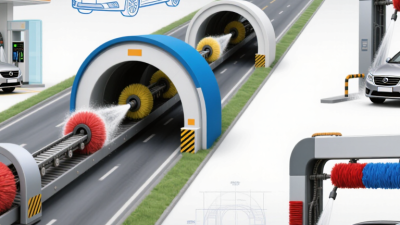
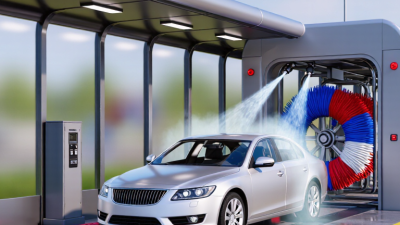
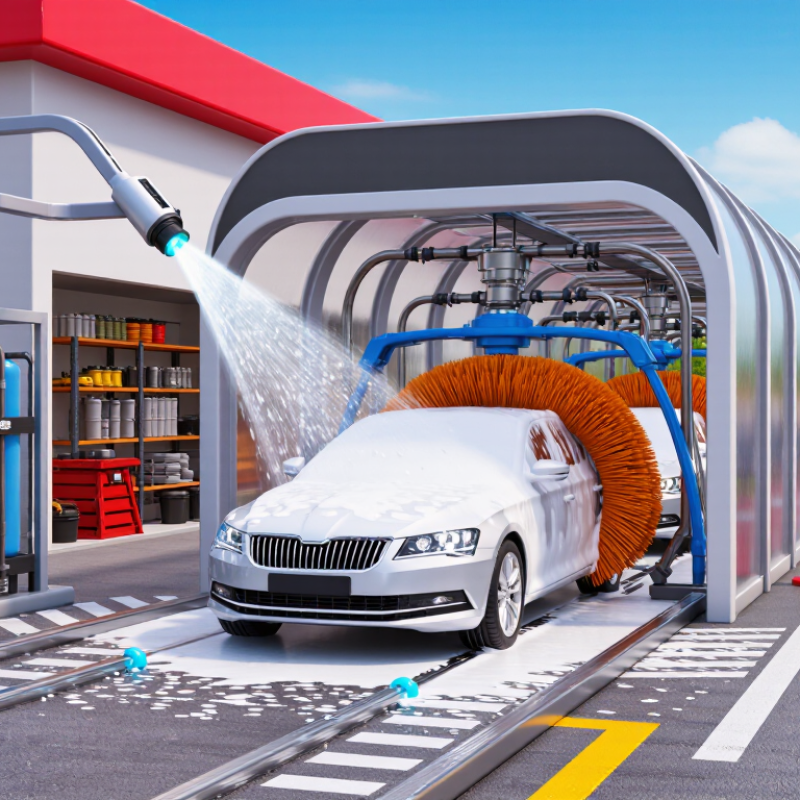
A fully automated car wash uses programmed equipment, sensors, pumps, and payment controls. The main types are conveyor tunnel, in-bay rollover, and touchless systems. Conveyor tunnels move vehicles through fixed washing zones on a belt. They suit busy sites and can process many cars per hour. In-bay rollover systems keep the vehicle stationary while brushes, dryers, and arches move around it. They require less land. Touchless systems use high-pressure water and chemical solutions instead of physical brushes. They reduce contact, but stubborn road film may remain. No system cleans every vehicle perfectly.
Grand View Research reported that the global car wash service market reached about USD 30.8 billion in 2022. Its report also projects steady growth through 2030. This growth supports investment, but market demand alone should not decide a purchase. Examine real throughput, queue space, water-recovery capacity, and local climate conditions. The International Carwash Association highlights water efficiency as a major operational concern. Ask suppliers for measured water use, not attractive estimates. Check sensor accuracy, emergency stops, dryer performance, and maintenance access. A shiny demonstration can mislead. Review service records from similar sites. Compare chemical costs, electricity demand, labor needs, and expected vehicle volume. A cheaper machine may become expensive when downtime interrupts daily operations.
Assessing Site Needs, Vehicle Capacity, and Customer Demand
10 Tips for Buying a Fully Automated Car Wash?
A successful automated car wash begins with the site, not the equipment. Measure the entrance, exit, turning radius, drainage, and available utility capacity. A narrow driveway can create backups during busy hours. Poor drainage can also increase maintenance problems and operating costs.
Study vehicle demand by hour, day, and season. Traffic counts alone can mislead you. A busy road may bring little local business if drivers cannot enter easily. Review nearby housing, offices, fuel stations, and competing services. Ask potential customers about washing frequency, preferred hours, and acceptable prices. Short surveys help, but observed behavior matters more.
Estimate realistic throughput, not the supplier’s best-case number. Count loading time, payment delays, cleaning cycles, and occasional stoppages. Leave room for peak traffic. Too much capacity wastes capital; too little creates long queues and lost customers. I have seen operators underestimate weekend demand and overestimate winter traffic. That mistake is expensive.
Inspect the property after heavy rain. Check water pressure, electrical reliability, lighting, and safe pedestrian movement. Confirm maintenance access before installation. A machine may fit on paper but fail operationally when staff cannot reach filters or emergency controls. Recheck every assumption with local contractors and traffic data. Some estimates will still be wrong. That is normal, but untested guesses are avoidable.
10 Tips for Buying a Fully Automated Car Wash
Assessing site needs, vehicle capacity, and customer demand
This planning scenario compares estimated hourly customer demand with a fully automated system capacity of 60 vehicles per hour. The busiest periods exceed single-lane capacity, so site planning should include queue space, safe vehicle circulation, sufficient water and electrical utilities, and options for capacity expansion.
Comparing Cleaning Technology, Features, and Automation Levels
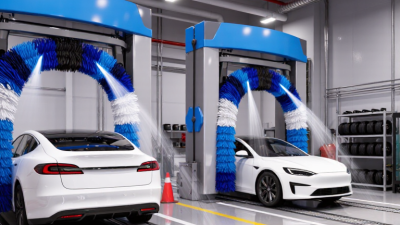
A fully automated car wash should be judged by cleaning performance, not impressive screens. Start with the wash chemistry, water pressure, brush material, and nozzle coverage. Touchless systems reduce contact risks but may struggle with dried mud. Soft-contact systems often clean stubborn road film better, yet they require careful maintenance. Test both on a dirty vehicle, if possible.
Measure the result. Look at wheel arches, rear windows, mirrors, and lower doors. These areas reveal weak spray patterns quickly. Drying technology matters too. Strong air curtains reduce spots, while poor airflow leaves water around badges and door handles. Check whether the system adjusts pressure, brush speed, and chemical dosing for different vehicle sizes. Fixed settings can waste water and produce uneven results.
Automation levels also deserve close inspection. Basic systems automate entry and payment, but staff may still guide vehicles manually. Advanced systems can identify vehicle dimensions, control the complete cycle, monitor faults, and send maintenance alerts. Ask for cycle-time records, water-use data, safety certifications, and service logs. Sensors should stop equipment when a vehicle shifts position. That feature matters more than decorative lighting.
I once trusted a fast demonstration too quickly. The car looked clean, but its lower panels still held grit. Real-world testing changed my assessment. Owners should also inspect recovery systems, emergency controls, drainage, and software updates. Automation is useful, but it is not infallible. Regular staff checks remain necessary, especially during heavy traffic and changing weather.
Checking Suppliers, Safety Standards, Warranty Terms, and Support
Buying a fully automated car wash requires more than comparing machine prices. A reliable supplier should explain capacity, installation needs, maintenance intervals, and expected water use. Ask for recent customer references and request a live demonstration. Watch the equipment operate, not just promotional videos. Confirm who handles electrical work, training, and replacement parts. A vague answer is a warning sign.
Tip: Review safety standards before signing anything. Check emergency stops, vehicle sensors, protective barriers, and automatic shutdown features. Ask for inspection records and clear operating instructions. The control panel should be understandable during a busy shift. Test how quickly the system responds when a sensor detects an obstacle. Small delays matter. I would also ask whether staff receive practical safety training, because manuals alone are rarely enough.
Tip: Read the warranty line by line. Confirm coverage for brushes, pumps, sensors, software, and labor. Identify exclusions, response times, and the process for approving repairs. A cheap warranty may protect little. Support should include reachable technicians, remote troubleshooting, and stocked critical parts. Ask whether assistance is available during weekends and peak seasons. Consider the total cost over five years, not only the purchase invoice. My first equipment comparison once ignored service travel costs, and that mistake changed the real budget considerably.