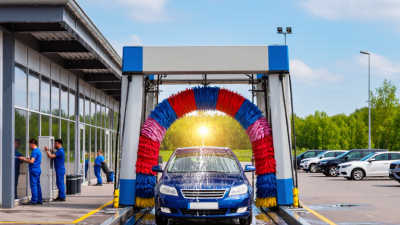
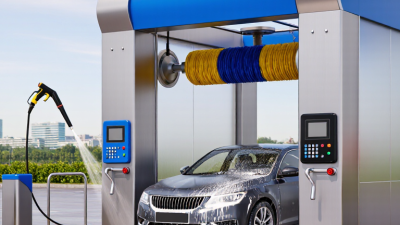
China has become a major sourcing destination for commercial vehicle-cleaning equipment. For global buyers, selecting a reliable Car Wash Machine supplier requires more than comparing online prices. Factory capability, engineering support, component quality, and export experience can strongly affect long-term results.
This guide introduces leading Chinese suppliers and explains how buyers can assess them with greater confidence. It considers automatic gantry systems, tunnel lines, touchless units, water recycling equipment, and compact machines for smaller sites. Each category serves different traffic levels, vehicle sizes, labor models, and installation conditions. A busy fleet depot may need high throughput. A neighborhood station may value lower maintenance and flexible programming. Details matter. Ask for clear technical drawings, washing speed, power requirements, water consumption, warranty terms, and spare-parts availability. Request production photos, testing records, and references from comparable markets. Certifications should be checked against the destination country’s requirements, not accepted from a sales brochure alone. Good suppliers explain limitations as well as advantages. That honesty is useful.
Some supplier information can change quickly. Product pages may also simplify difficult installation issues. Therefore, buyers should verify claims through factory audits, sample contracts, video inspections, and independent technical reviews. No shortlist is perfect. A low-cost machine may create higher service expenses later. A premium model may exceed the site’s real needs. Careful comparison helps global buyers choose practical equipment, manage risk, and build a dependable supply relationship.
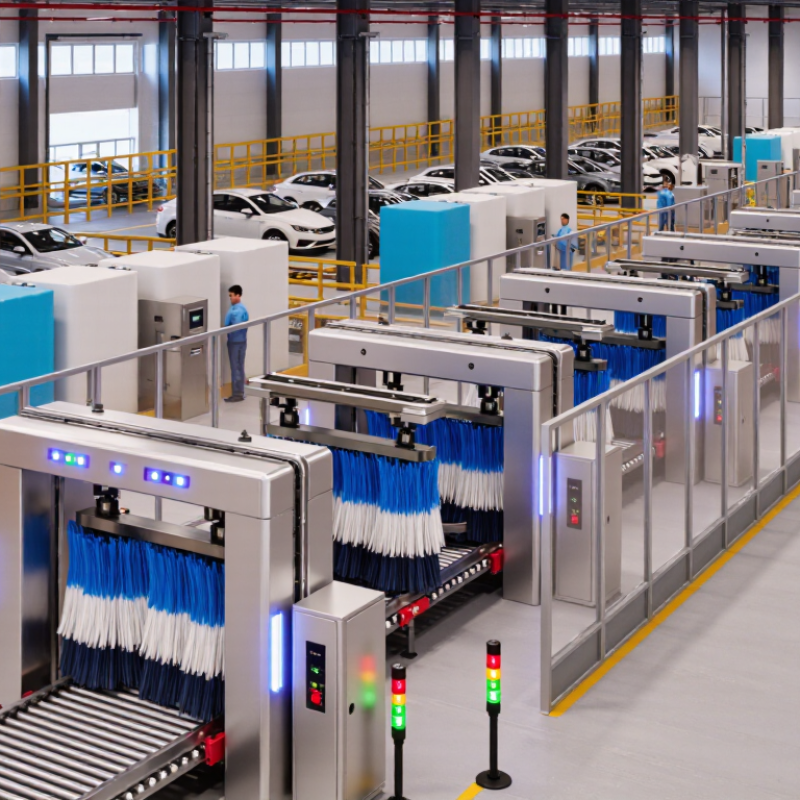
A reliable Chinese car wash machine supplier proves capability through repeatable production, not attractive photographs. Buyers should inspect factory records, welding quality, control cabinets, and final testing procedures. Ask for recent installation examples in climates similar to your market. Water pressure, winter temperatures, and vehicle sizes can change performance. An experienced supplier explains these limits clearly. That honesty matters.
Technical expertise appears in practical details. The supplier should provide power requirements, foundation drawings, detergent guidance, and maintenance intervals before payment. Machines should undergo dry runs, sensor checks, emergency-stop tests, and water-flow inspections. Request test videos linked to a specific machine, not generic footage. Independent inspection can verify materials, electrical protection, and packing quality. Certificates help, but they do not replace evidence.
Reliability also depends on support after shipment. Confirm response times, spare-parts availability, remote troubleshooting, and technician training. Clear manuals should include wiring diagrams and fault codes. Packaging deserves attention; shock indicators and moisture barriers can prevent expensive surprises at the port. No supplier is perfect. We once overlooked local voltage stability, and a correct machine still needed extra protection. That mistake taught us to review site conditions before ordering. A dependable partner welcomes difficult questions, records agreed specifications, and reports problems before they become claims.
A reliable supplier should demonstrate consistent product quality, recognized compliance, dependable after-sales support, spare-parts availability, clear warranty coverage, and proven export capability. The chart presents a practical 100-point buyer evaluation framework rather than company-specific data.
China Top Car Wash Machine Suppliers for Global Buyers
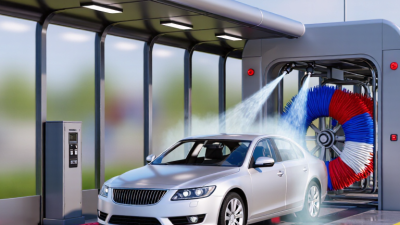
Chinese suppliers offer several car wash machine types for different site sizes, budgets, and traffic levels. Rollover machines clean one vehicle inside a fixed bay. They use moving brushes, water jets, and drying fans around a stationary car. This design suits petrol stations, dealerships, and compact urban locations.
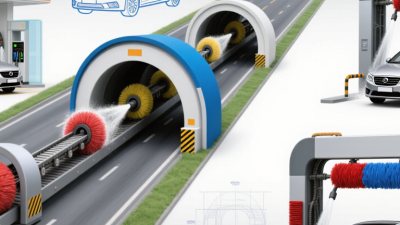
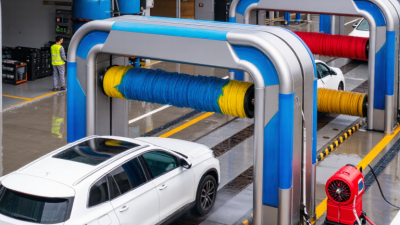
Tunnel systems move vehicles along a conveyor while separate arches apply foam, rinse water, wax, and air drying. They provide higher hourly capacity, but require more space, drainage planning, and trained operators. Touchless machines use high-pressure water and detergents instead of physical brushes. They reduce brush contact, although stubborn mud may need longer treatment. Results depend heavily on nozzle pressure, chemical dosage, and vehicle condition.
Self-service bays remain practical for markets where customers prefer control. A typical bay may include a pressure washer, foam brush, vacuum, and payment terminal. Bus and truck systems need wider frames, stronger pumps, and longer wash lanes. Do not overlook wastewater recovery, electrical standards, spare parts, and installation support when comparing Chinese suppliers. Site checks matter. A cheaper machine can become expensive when water supply or floor drainage is unsuitable. Specifications also need careful reading; advertised capacity may reflect ideal conditions, not daily operation. A trial wash with local vehicles can reveal drying gaps, missed wheel areas, or awkward control settings.
Representative machine categories and commonly specified operating ranges for international commercial and automotive service projects.
| Machine Type | Washing Method | Typical Capacity | Typical Power | Approx. Water Use | Suitable Vehicles | Key Features |
|---|---|---|---|---|---|---|
| Automatic Roll-Over Washer | Moving gantry travels over a stationary vehicle with brushes, high-pressure spray, foam and drying functions. | 8–15 vehicles/hour | 15–35 kW | 80–180 L/vehicle without recycling | Passenger cars, SUVs, MPVs and light vans | Compact layout Low civil-work requirement Optional dryer |
| Conveyor Tunnel Washer | Vehicles are pulled through a fixed washing line by a conveyor while different stations perform washing, rinsing and drying. | 30–120 vehicles/hour | 45–150 kW | 120–250 L/vehicle without recycling | Passenger cars, SUVs and fleet vehicles | High throughput Modular stations Best for busy sites |
| Touchless Automatic Washer | High-pressure water jets and chemical application clean the vehicle without physical brushes contacting the paint. | 8–20 vehicles/hour | 20–60 kW | 120–250 L/vehicle without recycling | Passenger cars, SUVs and vehicles with sensitive finishes | Brush-free operation High-pressure cleaning Suitable for irregular shapes |
| Self-Service Car Wash Bay | Customers operate a spray gun, foam brush, vacuum, air compressor or other selected cleaning equipment. | 1 vehicle/bay at a time | 5–15 kW per bay | 50–120 L per customer cycle | Cars, SUVs, vans and motorcycles | Pay-per-use control Unattended operation Expandable bays |
| Truck and Bus Wash System | Extended brush assemblies or high-pressure arches clean long, tall and heavy vehicles. | 3–12 vehicles/hour | 30–100 kW | 250–700 L/vehicle without recycling | Buses, coaches, trucks, trailers and refuse vehicles | Large vehicle clearance Heavy-duty structure Longer wash tunnel |
| Wheel and Tire Washer | Dedicated rotating brushes, water jets or spray nozzles remove brake dust and road contamination from wheels and tires. | 15–40 vehicles/hour | 3–12 kW | 10–35 L per vehicle | Passenger cars, SUVs, commercial fleets and workshops | Standalone or inline Targeted cleaning Small footprint |
| Underbody Washer | Fixed or retractable spray bars direct high-pressure water at the chassis, suspension and underside of the vehicle. | 10–30 vehicles/hour | 5–25 kW | 30–100 L per vehicle | Cars, trucks, buses and construction vehicles | Removes mud and salt Pit or surface-mounted Pre-wash option |
| Steam Car Wash System | Pressurized steam softens dirt and grease for exterior, interior and detail-cleaning applications. | 3–8 vehicles/hour | 6–30 kW | 2–15 L per vehicle | Passenger cars, luxury vehicles, fleets and mobile services | Low water consumption Mobile configuration Detailing applications |
| Water Recycling and Treatment Unit | Collects, filters and treats used wash water for reuse in pre-wash or general washing stages. | 1–20 m³/hour treatment flow | 1–15 kW | Can reduce fresh-water demand by approximately 50–85% | Automatic wash sites, tunnels, fleets and industrial facilities | Sedimentation Filtration Oil separation |
When evaluating China-based car wash machine suppliers, inspect more than catalog photos. Ask for a live demonstration using a vehicle similar to yours. Watch brush movement, water pressure, drying time, and emergency-stop response. A reliable supplier should explain motor ratings, conveyor capacity, water recycling, and maintenance intervals in clear language. Vague answers deserve further questions.
Certification documents need careful checking. Request the certificate number, issuing body, product model, and validity date. Confirm that the paperwork covers the exact machine, not a related product. Depending on the destination market, electrical safety, electromagnetic compatibility, and machinery requirements may apply. ISO 9001 can indicate controlled processes, but it does not prove excellent washing performance. Ask for factory test records, wiring diagrams, spare-parts lists, and installation instructions.
Details reveal quality. Inspect welds, cable glands, sensor protection, stainless-steel thickness, and the finish inside control cabinets. Request videos of continuous operation, not only a polished showroom cycle. Speak with recent overseas customers when possible. A pre-shipment inspection can verify dimensions, software functions, leakage protection, and included components. I would not rely on one successful test; water quality, climate, and operator habits can change results. Suppliers may also overlook small issues, such as unclear fault codes or difficult filter access. Those imperfections should be recorded, priced, and corrected in writing before payment.
Pricing changes sharply when customization enters the quotation. A 2024 Grand View Research report valued the global car wash services market at about USD 34.4 billion in 2023. This demand encourages suppliers to offer flexible machine designs, but flexibility is rarely free.
A basic automatic system may include the frame, brushes, pumps, and control cabinet. Buyers should request separate prices for shipping, installation, water treatment, spare parts, and operator training. Custom conveyor length, vehicle-height sensors, payment systems, and local-language software can raise the final cost. Small changes matter.
The International Carwash Association reports that professional facilities can use about 40 gallons of water per vehicle, compared with roughly 116 gallons for home washing. Therefore, water reclamation is both an environmental feature and a possible operating-cost tool. Its price depends on filtration capacity, tank volume, and maintenance access.
From supplier evaluations, a low initial quote often hides essential exclusions. I would not compare machines by purchase price alone. Ask for a five-year cost estimate, including electricity, detergent, replacement brushes, and downtime. Yet estimates remain imperfect. Local water quality and traffic patterns can change the result. Buyers should test sample vehicles and inspect welds, sensors, emergency stops, and service response before signing. A clear customization list is more valuable than a polished brochure.
Shipping a car wash machine is not simply a freight booking. UNCTAD’s Review of Maritime Transport 2024 reports that more than 80% of global merchandise trade moves by sea. A delayed container can therefore disrupt an entire site schedule. Ask the supplier for a seaworthy packing plan, moisture protection, shock indicators, and a complete commercial invoice. Confirm HS codes, machine dimensions, gross weight, and customs documents before loading. Small errors become expensive delays.
Installation planning should begin before the equipment leaves the factory. Request factory acceptance testing videos, wiring diagrams, foundation drawings, and a parts list. Check local voltage, water pressure, drainage, floor strength, and clearance for vehicle movement. The World Bank Logistics Performance Index 2023 assesses 139 economies across customs, infrastructure, tracking, and timeliness. These factors explain why local clearance and delivery partners deserve careful screening. A supplier should provide remote guidance and, when needed, a qualified technician for commissioning.
After-sales support must be measurable. Require a response time, troubleshooting process, warranty boundaries, and spare-parts availability in writing. Keep critical items, such as sensors, seals, nozzles, and control components, identified by part number. Training should cover daily inspection, cleaning chemical limits, emergency shutdown, and fault-code recording. A shared video call can solve some problems quickly. Not every problem, though. In practice, unclear manuals and language gaps still cause avoidable downtime, so buyers should test support before signing the final payment.