How to Choose an Automatic Car Washing Machine in 2026?

Choosing an Automatic Car Washing Machine in 2026 requires more than comparing prices and wash speed. Operators must examine water use, maintenance access, drying performance, safety systems, and customer expectations. A machine may look impressive in a showroom, yet perform poorly beside a busy roadside entrance.

Industry forecasts show continued growth in professional car washing. Grand View Research estimates that the global car wash services market will expand through 2030, supported by urbanization, higher vehicle ownership, and demand for convenient cleaning. However, market estimates differ between research firms. That difference deserves attention. Forecasts are useful guides, not guarantees.

Water efficiency is another practical benchmark. The U.S. Environmental Protection Agency reports that professional car washes can use less water than many home washes, especially when systems recycle and control water flow. The International Carwash Association’s consumer research also highlights convenience, cleaning quality, and speed as important buying factors. These findings affect equipment selection directly. A fast machine means little if brushes leave residue, dryers miss mirrors, or maintenance keeps the tunnel closed.

Real-world experience matters. Check how quickly technicians can replace brushes, inspect pumps, and clear sensor faults. Ask for verified operating data from comparable sites. Request references from operators using the same model and wash volume. Do not trust glossy claims alone. Every location has different traffic, climate, drainage, labor, and vehicle types. The best Automatic Car Washing Machine balances measurable performance with manageable ownership costs. It may not be the cheapest option. That is often the uncomfortable part.
How to Choose an Automatic Car Washing Machine in 2026?

What an Automatic Car Washing Machine Is and How It Works

How to Choose an Automatic Car Washing Machine in 2026?

An automatic car washing machine cleans vehicles through a controlled sequence. The process usually includes pre-rinsing, detergent application, agitation, rinsing, and drying. Sensors measure vehicle height, width, and position. The control system then adjusts brush pressure, conveyor speed, and spray timing. Touch-free systems use high-pressure water and chemicals. Friction systems use rotating cloth or soft brushes. Each design has trade-offs.

Water management matters. The U.S. Environmental Protection Agency’s WaterSense program reports that professional car washes can use about 43 gallons of water per vehicle, while home washing may use roughly 116 gallons. Water reclamation can reduce fresh-water demand further, but filters need regular inspection. Dirty recycled water can leave spots. It can also damage pumps. No machine is maintenance-free.

Grand View Research valued the global car wash services market at over 30 billion dollars in 2023 and expects continued growth through 2030. That expansion increases demand for faster, safer equipment. When choosing a machine in 2026, examine throughput, drying performance, sensor accuracy, noise, chemical control, and recovery-water capacity. Check the service records, not only the brochure. A machine that looks advanced may still produce uneven drying. Test different vehicle sizes, including SUVs and vehicles with roof accessories. Small details matter.

Key Types of Automatic Car Washing Machines in 2026

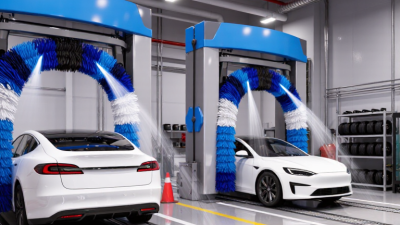
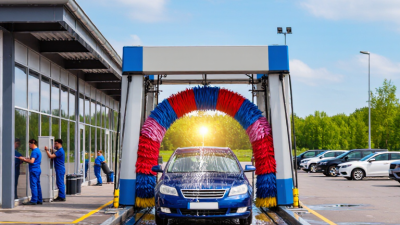
In 2026, choosing an automatic car washing machine starts with identifying the main machine types. Your site, traffic volume, and cleaning expectations should guide the decision. In-bay automatic systems wash one vehicle inside a fixed bay. They commonly use rotating brushes, dryers, payment controls, and chemical dosing units. These systems suit fuel stations, workshops, and small lots with limited space. Expect moderate installation costs and a predictable washing cycle. However, brush contact may create concerns for poorly maintained vehicles or sensitive surfaces.

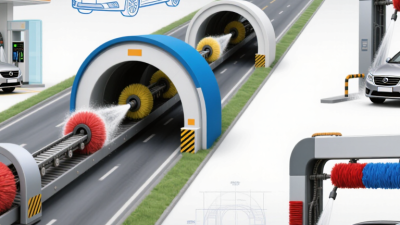
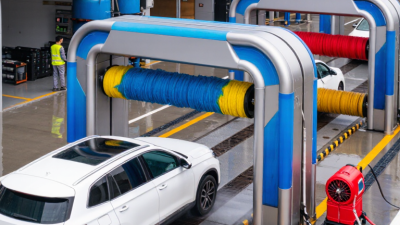
Conveyor tunnel systems move cars through several washing stations on a belt. A typical layout may include pre-rinse arches, foam applicators, cloth brushes, underbody sprays, and high-speed dryers. They are effective for busy locations handling many vehicles each hour. Their larger footprint requires careful drainage, traffic planning, and regular equipment inspection. I would not judge capacity from advertising alone. Test the actual cycle time during peak demand.

Touchless automatic machines clean vehicles with pressurized water and detergents instead of physical brushes. They reduce contact risks but may struggle with dried mud, road salt, or heavy grease. Some newer systems combine sensors, variable pressure, water recycling, and software-based fault alerts. Robotic gantry systems offer another option, moving a washing arm around a stationary vehicle. They can deliver controlled coverage, although cleaning speed may be lower. Before choosing, inspect nozzle alignment, emergency stops, service access, noise levels, and water consumption. A cheaper machine can become expensive when small faults interrupt daily operations.

How to Choose an Automatic Car Washing Machine in 2026?

Key Types of Automatic Car Washing Machines in 2026

Water consumption varies with vehicle size, wash-program settings, recycling systems, and local regulations. The figures shown are representative operating values for a standard passenger-car cycle and are intended for early equipment comparison.

Lower water use generally favors rollover or conveyor systems with effective water reclamation, while touchless systems typically require higher water pressure and more water per vehicle.

How to Compare Cleaning Performance, Speed, and Vehicle Safety

Choosing an automatic car washing machine in 2026 requires more than checking its price. Cleaning performance should be tested on mud, road salt, and dried bird droppings. A strong system should clean wheel rims, lower doors, mirrors, and rear corners evenly. Inspectors should compare brush pressure, water coverage, drying quality, and chemical usage. Touchless systems may protect delicate paint, but stubborn dirt can remain without careful pre-rinsing. No machine is perfect.

Speed matters when many vehicles arrive during busy hours. Measure the full cycle, including entry, washing, drying, and exit. A short cycle is not useful if workers must repeat it. Vehicle safety deserves equal attention. Check obstacle sensors, wheel guides, emergency stops, and automatic door controls. Leave enough clearance for mirrors and roof attachments. During a real test, observe one complete cycle from inside and outside. Request maintenance records and sensor inspection schedules. Small failures can become expensive damage.

Tips: Test several vehicle types, including a dirty SUV and a low sedan. Use the same dirt level for fair comparisons. Record washing time and missed areas. Listen for unusual scraping or pump noise. Review the results after drying, not immediately. My first comparison would favor speed, but that judgment can be misleading. A slower, gentler cycle may protect paint and reduce repeat washing.

How to Choose an Automatic Car Washing Machine in 2026? - How to Compare Cleaning Performance, Speed, and Vehicle Safety

Machine Type Typical Wash Time Typical Throughput Cleaning Performance Drying Performance Vehicle Safety Typical Water Use Best Operating Environment Key Selection Consideration
Touchless In-Bay 5–10 minutes per vehicle Approximately 6–12 vehicles per hour ★★★★☆
Strong performance on loose dirt, road film, and salt when high-pressure spray is combined with suitable detergent.
★★★☆☆
Usually depends on high-pressure air dryers; some water may remain on mirrors, grilles, and recessed areas.
Very good
No brushes or cloths contact the paint, reducing the risk of contact scratches on sensitive finishes.
Approximately 100–200 liters per wash, depending on reclaim and rinse settings Sites serving mixed vehicle types, luxury vehicles, and vehicles with unusual body shapes Check pump pressure, spray coverage, chemical dwell time, underbody options, and dryer power.
Soft-Touch In-Bay 4–8 minutes per vehicle Approximately 8–15 vehicles per hour ★★★★☆
Effective against adhered road film and heavier grime because moving cloth or foam media provides physical agitation.
★★★★☆
Rotating or fixed dryers generally remove most surface water when the vehicle is positioned correctly.
Good with proper maintenance
Worn, contaminated, or poorly maintained wash media can transfer grit or increase the chance of light surface marring.
Approximately 60–130 liters per wash, depending on rinse cycles and water recovery High-frequency operations where cleaning strength and moderate speed are both important Inspect media softness, automatic pressure control, foreign-object detection, and cleaning frequency.
Conveyor Tunnel 3–7 minutes through the equipment Approximately 30–100 vehicles per hour ★★★★☆
Multiple stages can include pre-soak, high-pressure rinse, friction wash, wheel cleaning, wax, and spot-free rinse.
★★★★☆
Several dryer units can provide consistent results at higher volume, although vehicle shape affects final dryness.
Good when correctly configured
Requires accurate vehicle positioning, functioning safety sensors, controlled conveyor speed, and clean wash materials.
Approximately 100–250 liters per vehicle before water reclamation, depending on configuration Commercial sites with adequate queue space, drainage, staffing, and consistently high demand Compare conveyor capacity, emergency stops, vehicle spacing controls, tunnel length, and maintenance access.
Roll-Over Automatic Bay 5–12 minutes per vehicle Approximately 5–12 vehicles per hour ★★★☆☆
Performance varies significantly with brush or cloth design, chemical dosing, pre-rinse quality, and the selected program.
★★★☆☆
Adequate for normal passenger cars, but roof channels and rear sections may require additional air-drying time.
Moderate to good
Vehicle protection depends on pressure limits, obstacle detection, media condition, and correct vehicle-size recognition.
Approximately 80–180 liters per wash, depending on program and reclaim system Petrol stations, dealerships, apartment facilities, and locations with limited throughput needs Prioritize sensor reliability, soft-media condition, clearance detection, and compatibility with vehicle accessories.
Water-Reclaim System Adds approximately 1–3 minutes for filtration and system circulation Usually matches the connected wash system's rated throughput ★★★★☆
Can maintain strong cleaning results when filtration, disinfection, and final spot-free rinse systems are correctly managed.
★★★☆☆
Drying performance is mainly determined by the connected wash equipment, not by the reclaim unit itself.
Good
Proper filtration helps prevent abrasive particles from recirculating; poor maintenance can reduce water quality and affect finish quality.
Can reduce fresh-water demand by approximately 30–80%, depending on system design and local conditions High-volume facilities facing water restrictions or seeking lower operating costs Evaluate filtration stages, storage capacity, water-quality monitoring, maintenance intervals, and local discharge rules.
Electric Vehicle-Compatible System Usually 4–10 minutes, depending on the wash format Approximately 6–100 vehicles per hour, depending on the connected system ★★★★☆
Cleaning capability is determined by the wash technology; sealed electric drivetrains do not require a separate exterior washing method.
★★★★☆
Standard drying systems are suitable when charging-port doors, sensors, cameras, and seals are handled correctly.
Good with correct procedures
Use manufacturer-approved wash modes, avoid directing high-pressure water at damaged seals, and confirm automatic equipment compatibility.
Approximately 60–250 liters per wash, depending on the selected equipment type Facilities serving mixed fleets that include battery-electric and conventional vehicles Confirm clearance for cameras and sensors, charging-port protection, automatic neutral mode, and emergency procedures.

Reference basis: The figures are typical industry operating ranges for automatic vehicle-wash equipment. Actual results vary with vehicle size, soil load, wash program, equipment configuration, water-recovery rate, climate, maintenance, and local regulations.

Which Features, Space, and Installation Requirements Matter Most

How to Choose an Automatic Car Washing Machine in 2026?

Choosing an automatic car washing machine starts with the site, not the control panel. The International Carwash Association’s 2023 Consumer Insights Study reported that about 73% of surveyed drivers used a professional car wash. That demand rewards reliable throughput. Check the machine’s real cars-per-hour rating, not its advertising peak. A practical system needs accurate vehicle sensors, adjustable wash pressure, strong drying, emergency stops, and simple maintenance access. Water recycling also matters. The association reports that professional washing can use up to 60% less water than driveway washing.

Measure the entire customer route. Include vehicle length, mirror clearance, queue space, turning radius, and ceiling height. Leave room around pumps, filters, electrical cabinets, and chemical storage. A narrow bay may fit one vehicle but still fail during peak traffic. It happens. Installation usually requires stable electrical capacity, suitable water pressure, drainage, ventilation, and a properly designed floor slope. Confirm these details with a qualified installer and local inspectors before purchasing.

The machine must fit the building.

I would also test several vehicle types, including high-roof vans and heavily soiled cars. Published capacity figures rarely reflect winter dirt, staff training, or drying delays. The U.S. Department of Energy’s industrial guidance emphasizes motor efficiency and preventive maintenance, yet energy savings depend on operating conditions. Request measured water, power, noise, and maintenance data from comparable installations. A spreadsheet helps, but it can still hide inconvenient assumptions.

How to Evaluate Costs, Maintenance, Efficiency, and Long-Term Value

How to Choose an Automatic Car Washing Machine in 2026?

Choosing an automatic car washing machine in 2026 requires more than comparing purchase prices. A reliable evaluation begins with total operating costs, including installation, water, electricity, chemicals, labor, and downtime. Ask for verified consumption figures under normal daily conditions, not only ideal showroom tests. A machine using less water may still cost more if its cycle is slow or its filters clog frequently.

Look deeper.

Maintenance records reveal practical quality. Check access to pumps, brushes, sensors, drying systems, and wastewater components. Routine cleaning should be simple enough for trained staff to complete consistently. Request service intervals, replacement costs, response times, and spare-part availability in writing.

From equipment evaluations, small leaks and neglected filters often create larger expenses than expected.

That detail matters.

Do not accept vague durability claims; ask for test methods, warranty terms, and documented performance data.

Efficiency means more than cars washed per hour. Measure cleaning consistency, water recovery, energy use, queue length, and rewash rates. A fast machine that leaves mirrors wet can increase labor and customer complaints.

Calculate value across five to ten years, including training, repairs, software updates, and replacement components. I would test the machine during peak hours before deciding.

Peak hours matter.

Real conditions expose weaknesses. Traffic forecasts can be wrong, and maintenance habits vary between sites.

A conservative estimate is usually safer than an impressive promise.