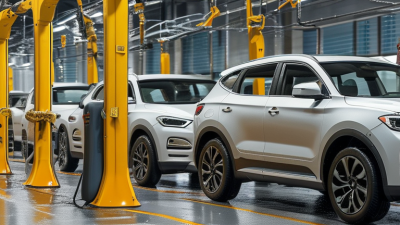
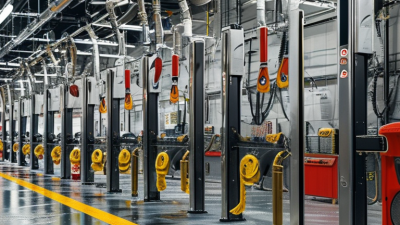
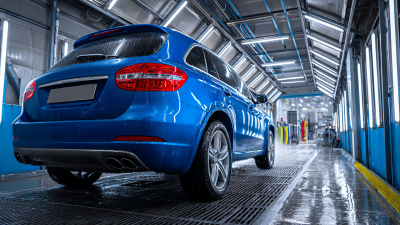
The 2026 market for Electric Car Wash Machine systems is becoming more specialized, efficient, and difficult to compare. Global buyers now face several choices, including touchless automatic units, rollover machines, tunnel systems, and compact self-service equipment. Each type creates a different balance between washing speed, surface protection, water use, labor demand, and installation cost. The right machine is not always the most powerful one.
Eric Wulf, a recognized voice in the International Carwash Association, has noted that professional car washes can use water more efficiently than washing at home. This point matters. A reliable Electric Car Wash Machine should support water recovery, controlled chemical dosing, safe electrical protection, and consistent pressure. Buyers should also examine voltage compatibility, local service capacity, spare-part availability, drainage design, and operator training. A bright touchscreen means little without dependable maintenance.
Real operating conditions can be unforgiving. Dusty roads may block sensors. Hard water can leave deposits on nozzles. Winter temperatures can damage exposed pipes. These details often decide whether a machine earns revenue or creates repeated downtime. Some suppliers also present optimistic throughput figures that may not reflect preparation, payment delays, or drying time. That gap deserves attention.
This guide compares major Electric Car Wash Machine types for global buyers in 2026. It considers practical performance, energy consumption, water management, safety features, installation demands, and long-term ownership risks. The comparison is useful, but not perfect. Local climate, customer habits, and service quality can change the final decision.
Electric car wash machines are automated cleaning systems powered by electricity rather than manual labor alone. They include pressure washers, rollover units, tunnel systems, water reclaim equipment, and compact mobile machines. Their scope now extends beyond vehicle appearance. Energy use, water recovery, noise control, and charging-site compatibility also matter.
The International Energy Agency’s Global EV Outlook 2025 reported more than 17 million electric cars sold worldwide in 2024. Electric vehicles represented over 20% of new car sales. This growing fleet creates steady demand for controlled, repeatable cleaning services. Allied Market Research estimates that the global car wash system market could reach about 7 billion dollars by 2032. However, forecasts differ widely. They depend on vehicle ownership, infrastructure, and local washing habits. That uncertainty deserves attention.
Tips:
Buyers should compare water consumption, motor efficiency, reclaim rates, and maintenance access. A machine using less water may still perform poorly without proper filtration. Test it with dusty wheels, wet mud, and narrow parking spaces. Check electrical capacity before installation. In my experience, impressive speed is not enough. Operators sometimes overlook drainage design and staff training. That can weaken the machine’s real market value.-vesm
In 2026, global buyers are comparing electric car wash systems by traffic, site layout, labor access, and water control. A gantry system moves equipment around a parked vehicle, making it suitable for compact sites and controlled wash cycles. It can deliver consistent brush pressure, although poor vehicle positioning may reduce coverage. A tunnel system carries cars through several stations, supporting high daily volume and predictable customer flow. Its longer footprint and conveyor maintenance deserve careful engineering review.
Rollover systems keep the vehicle stationary while a washing frame travels over it. They often fit service stations, dealerships, and urban properties with moderate demand. Touchless systems use high-pressure water and approved detergents instead of physical contact. They reduce brush-related concerns, but stubborn road film may require stronger pre-soak and careful nozzle calibration. From field experience, local water hardness changes chemical performance more than many buyers expect. That detail is easy to miss.
A system that looks efficient on paper may frustrate operators when training is rushed or sensors need frequent adjustment. Select documented safety features and require installation guidance from qualified technicians.
Modern electric car wash machines combine controlled water delivery, efficient motors, and intelligent sensing. Their core advantage is measurable consistency. Each vehicle receives a programmed wash cycle, even when operator experience varies. Variable-frequency drives adjust brush or pump speed according to vehicle size and surface conditions. This reduces energy peaks and limits unnecessary mechanical pressure. Some systems use soft textile cleaning, while others use touch-free methods. The choice depends on paint sensitivity, traffic volume, and available space. It is not always obvious.
Sensors do more than detect a vehicle. Ultrasonic and optical units estimate height, width, position, and movement. Controllers then modify gantry speed, nozzle distance, and chemical dosage in real time. A well-calibrated system can reduce overspray and water waste. Closed-loop recycling filters suspended dirt before treated water returns to the process. Conductivity and turbidity monitoring help operators decide when replacement is necessary. Yet sensors can misread foam, rain, or reflective surfaces. Regular testing remains essential.
Modern machines also depend on safer electrical architecture. Residual-current protection, emergency stops, sealed control cabinets, and grounded components support reliable operation in wet areas. Remote diagnostics can record motor load, pump pressure, fault codes, and maintenance intervals. This helps technicians find a worn bearing before it damages other parts. However, connected controls need restricted access and updated software. Automation is valuable, but it does not remove human responsibility. In real installations, small alignment errors still cause uneven cleaning. That lesson deserves attention.
Comparative reference table for selecting electric vehicle washing equipment by site, operating model, water efficiency, automation level, and cleaning technology.
| Machine type | Typical configuration | Typical electrical requirement | Indicative water use | Indicative throughput | Key technologies | Best suited for | Main advantages | Important limitations |
|---|---|---|---|---|---|---|---|---|
| Automatic rollover or gantry washer | A vehicle remains stationary while a motorized gantry moves around it. Configurations may include brushes, high-pressure arches, dryers, and chemical dosing. | Usually approximately 10–40 kW connected load, depending on pumps, dryers, heaters, and accessories. | About 80–200 L per vehicle without extensive reclamation; lower net consumption is possible with water recycling. | Approximately 8–15 vehicles per hour, depending on the selected program and drying cycle. | Variable-speed drives, vehicle-position sensors, soft-touch foam materials, high-pressure prewash, programmable logic control, and water-recovery systems. | Independent wash sites, fuel and mobility stations, dealerships, rental fleets, and locations with moderate daily demand. | Flexible installation, relatively compact footprint, selectable wash programs, and lower infrastructure requirements than a full tunnel. | Lower capacity than a conveyor tunnel; contact brushes require correct maintenance and chemical control to reduce the risk of surface contamination. |
| Soft-touch automatic washer | Rollover or conveyor system using cloth, foam, or other vehicle-contact media together with water and detergent. | Commonly approximately 15–45 kW, with peak demand influenced by pump and dryer motors. | Roughly 100–180 L per vehicle before recycling; reclaimed water can reduce fresh-water demand. | Approximately 10–25 vehicles per hour for rollover layouts; higher rates are possible in conveyor arrangements. | Low-pressure foam application, rotating textile or foam media, contour-following arms, load monitoring, and automatic chemical proportioning. | High-volume retail sites where customers expect visible contact cleaning and short service times. | Effective removal of common road film, good customer acceptance, and efficient use of the wash bay. | Contact media must be inspected and cleaned regularly; unsuitable pressure, worn materials, or trapped debris may increase paint-swirl risk. |
| Touchless automatic washer | Fixed or moving spray arms clean the vehicle without brushes or cloth physically touching the body. | Typically approximately 20–60 kW, mainly determined by high-pressure pumps, dryers, and optional water heating. | About 120–250 L per vehicle without optimized recycling; high-pressure design can reduce volume compared with conventional flooding. | Approximately 6–12 vehicles per hour, depending on dwell time, drying, and the selected cleaning sequence. | High-pressure jets, 3D vehicle profiling, ultrasonic or optical positioning, detergent pre-soak, spot-free rinse, and automatic spray-angle control. | Premium wash locations, vehicles with sensitive finishes, fleet depots, and sites prioritizing minimal physical contact. | No brushes contacting the paint, consistent spray coverage, and suitability for vehicles with unusual body shapes or accessories. | Heavy mud, dried insects, and strongly bonded contamination may require longer dwell time, stronger chemistry, or manual pre-cleaning. |
| Conveyor tunnel washer | Vehicles move continuously through prewash, cleaning, rinsing, waxing, and drying zones on a conveyor or belt. | Often approximately 60–200 kW connected load because multiple pumps, motors, blowers, conveyors, and treatment systems operate together. | Approximately 60–160 L of fresh water per vehicle when designed with reclaim, filtration, and controlled rinse stages. | Commonly 30–120 vehicles per hour, depending on tunnel length, conveyor spacing, and wash package. | Continuous conveyor control, vehicle spacing sensors, multi-stage water reclamation, foam arches, controlled dosing, wheel cleaning, and high-output dryers. | Large retail sites, transport hubs, fleet operations, and locations with high and predictable vehicle volume. | Highest potential capacity, repeatable process flow, multiple service packages, and efficient labor utilization. | Requires substantial land, drainage, electrical capacity, civil works, and professional maintenance; lower utilization can weaken the business case. |
| Self-service pressure-wash bay | Customers operate a spray lance and program selector for prewash, shampoo, rinse, wax, or spot-free water cycles. | Usually approximately 5–15 kW per bay, excluding optional water-heating equipment and site-wide treatment systems. | Approximately 80–150 L per typical 5–10 minute session, strongly influenced by nozzle flow and user behavior. | One vehicle at a time per bay; multiple bays operate in parallel. | Electronic payment, programmable timers, pressure regulation, water softening, reverse-osmosis spot-free rinse, and chemical metering. | Urban sites, rural service areas, mixed-use mobility facilities, and markets where customers prefer hands-on washing. | Modular expansion, comparatively simple mechanical layout, flexible pricing, and lower staffing needs. | Cleaning quality depends on customer technique; exposed equipment needs vandal resistance, freeze protection, and frequent inspection. |
| Steam or low-water electric cleaner | Electric heating elements generate pressurized steam or hot vapor for targeted exterior and interior cleaning. | Approximately 3–15 kW per unit, depending on boiler size, warm-up time, and continuous steam output. | Often approximately 2–15 L per vehicle for light or maintenance cleaning; heavily soiled vehicles may require more water and pre-treatment. | Approximately 2–8 vehicles per hour for one operator, depending on vehicle size and cleaning scope. | Electric boiler, insulated hose, temperature and pressure control, low-moisture application, microfiber finishing, and optional vacuum integration. | Mobile detailing, premium parking facilities, water-restricted regions, and interior-focused cleaning operations. | Very low water consumption, mobile deployment, useful sanitizing heat, and reduced drainage requirements. | Lower productivity than automated systems; operators need thermal-safety training, ventilation, and suitable electrical protection. |
| Portable electric pressure washer | Compact pump-and-hose system supplied from a mains socket or battery pack, sometimes paired with a water tank. | Approximately 1–5 kW for mains-powered equipment; battery systems are rated by voltage and ampere-hours rather than continuous mains load. | Roughly 30–120 L per vehicle, depending on pump flow, trigger usage, and cleaning method. | Approximately 1–4 vehicles per hour for a thorough operator-led exterior wash. | Brushless motor, variable-pressure pump, trigger control, foam cannon, battery management system, and dry-run protection. | Mobile service teams, small workshops, emergency cleaning, residential users, and locations without fixed wash infrastructure. | Low entry cost, easy transport, flexible water source, and quick deployment for localized cleaning. | Limited runtime or flow on battery models; manual labor remains high and consistent wash quality depends on the operator. |
| Electric fleet wash system | Dedicated wash line configured for repeated cleaning of buses, vans, trucks, or passenger-vehicle fleets. | Approximately 30–150 kW, depending on vehicle dimensions, brush count, conveyor design, heating, and drying requirements. | About 100–500 L per vehicle before optimization; vehicle size and reclamation design have a major effect. | Approximately 10–40 vehicles per hour, depending on vehicle length, process stages, and required drying quality. | Programmable fleet profiles, RFID or license-plate identification, automatic chemical dosing, heavy-duty pumps, water recycling, and maintenance diagnostics. | Bus depots, logistics centers, rental fleets, municipal operators, and commercial transport facilities. | Repeatable results, scheduled operation, reduced manual labor, and the ability to tailor wash programs to different vehicle classes. | Higher capital cost, larger drainage and water-treatment requirements, and the need for preventive maintenance to avoid fleet downtime. |
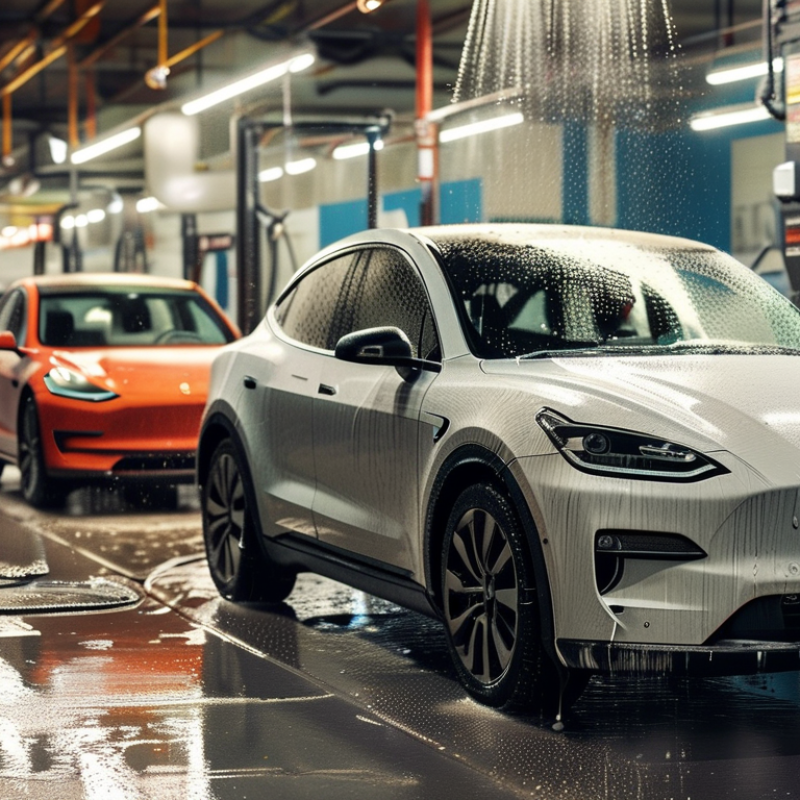
Selection considerations for global buyers
The figures above are indicative engineering ranges rather than guaranteed specifications. Actual performance depends on vehicle size, wash program, pump pressure, dryer power, climate, local water quality, electrical standards, drainage regulations, labor practices, and the percentage of water recovered for reuse. Buyers should verify local voltage and frequency, residual-current protection, drainage permits, winterization requirements, spare-parts availability, and applicable safety standards before purchase.
2026 Top Electric Car Wash Machine Types for Global Buyers
How Global Buyers Compare Capacity, Cost, Safety, and Maintenance
Electric car wash machines generally include rollover, tunnel, touchless, and self-service systems. Each type suits a different traffic pattern. Rollover units need less space and serve one vehicle at a time. Tunnel systems handle higher capacity but require longer buildings, stronger drainage, and trained operators. Touchless washing reduces brush contact, although it may consume more water or cleaning chemicals.
Purchase cost should never stand alone. Buyers should compare power demand, water recovery, installation work, and expected downtime. A low initial price can become expensive after repeated pump failures. Safety deserves equal attention. Look for emergency stops, vehicle sensors, guarded moving parts, non-slip flooring, and electrical protection suitable for local conditions. Requirements differ by country, so qualified local inspection is essential.
Tips
Measure real traffic for several weeks. Do not rely only on peak-day estimates. Ask suppliers for maintenance schedules, spare-part lead times, and service training. Check whether filters, nozzles, belts, and sensors are easy to reach without stopping the entire system. Keep written inspection records. Small leaks often become major repairs. One practical warning: advertised capacity may assume perfect vehicle spacing and continuous operation. Actual throughput is usually lower. That difference should be included in the financial plan.
How global buyers compare capacity, cost, safety, and maintenance
The chart uses a 0–100 comparison index for planning purposes. Capacity is based on typical vehicles per hour, installation cost excludes land and civil works, safety reflects automation and operator-exposure considerations, and maintenance represents estimated technician hours per month. Actual results vary with site layout, climate, water quality, operating hours, and local regulations.
2026 Top Electric Car Wash Machine Types for Global Buyers
For global buyers, electric car wash machines must match regional standards and site conditions. Practical installations show major differences between markets. European projects often require strict water discharge controls and electrical certification. North American sites may need stronger drainage, wider vehicle clearances, and higher voltage capacity. Asian markets frequently prioritize compact layouts and water-saving systems. These requirements are not interchangeable. Buyers should verify local electrical codes, safety approvals, and wastewater rules before ordering. Use certified local technicians.
Installation begins with a detailed site survey. Measure ceiling height, entry width, floor slope, and cable distance. A 22-kilowatt system may need upgraded wiring and protective devices. Drainage must handle sudden water flow without pooling near control panels. Reclaimed water tanks require filters, access space, and regular cleaning. Cold regions need pipe insulation and freeze protection. Humid coastal sites require corrosion-resistant materials. Practical assessments often reveal hidden construction costs. Yet no checklist is perfect. Unexpected soil work can change the budget quickly.
By 2026, sensor-based washing, water monitoring, and remote maintenance will influence purchasing decisions. Modular frames may reduce installation time across different countries. Energy management systems can shift heavy operation toward lower-cost hours. However, automation may create new training and data-security responsibilities. Operators still need simple manual controls during system faults. Buyers should request service records, installation drawings, and realistic energy estimates. Forecasts often overstate savings. Flexible design may matter more than impressive specifications.