What Is the Best Automatic Home Car Wash System in 2026?
Choosing the best Automatic Home Car Wash System in 2026 takes more than comparing spray pressure or promising product photos. A useful system should clean consistently, protect paint, fit your driveway, and make sensible use of water. It should also be easy to maintain. A clogged filter or awkward hose can turn a quick wash into a chore.
Automotive detailing educator Larry Kosilla’s approach to careful washing can be paraphrased as: “Remove dirt gently, and avoid dragging grit across the paint.” This is a guiding principle, not a verified verbatim quotation. It matters when comparing touchless units, foam systems, and compact wash stations. A thick blanket of foam may look impressive, but appearance alone does not prove effective cleaning. Look for clear setup instructions, practical maintenance guidance, and realistic claims about what the system can remove. Check the space around your car, too. A low garage ceiling, a narrow driveway, or a short hose can change which design works best.
Small details count. So does honest uncertainty. No single setup suits every vehicle, climate, or budget, and even a good system may need careful pre-rinsing. This guide compares the features that matter in daily use, explains common trade-offs, and helps you choose a system suited to your home—not just one with the boldest promises.
What an Automatic Home Car Wash System Is
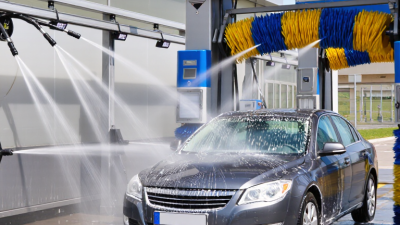
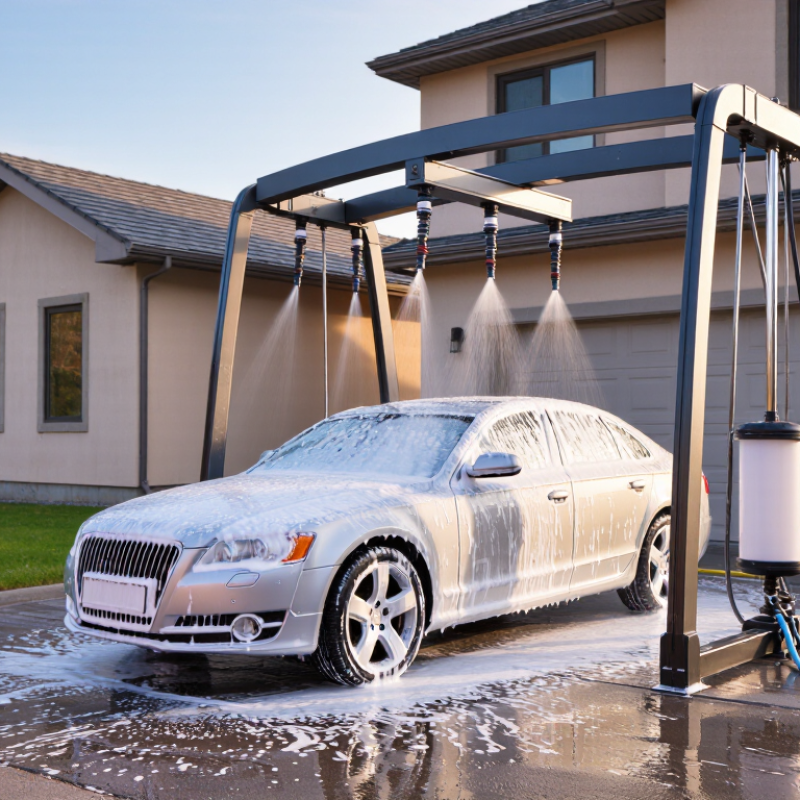
An automatic home car wash system is a fixed or portable setup that cleans a vehicle with powered water delivery and timed controls. It replaces some hands-on work with coordinated spray and rinse cycles. Typical components include a pump, spray bars or rotating arms, detergent dosing, sensors, and a runoff or water-recovery arrangement. The exact setup varies. Some systems automate rinsing only; others manage soap, dwell time, and rinsing. Picture a car parked on a marked pad while nozzles sweep across its hood, roof, and wheels. That is the basic idea.
The International Carwash Association’s 2018 Water Use Study reported an average of roughly 43 gallons of fresh water per vehicle at conveyor facilities. Results vary with equipment and operating practices, so this is a benchmark, not a guarantee for home systems. A residential unit without water recovery may use more during long cycles. Small details matter: nozzle angle, pressure, and mineral buildup can affect coverage. Not magic. “Automatic” also does not mean maintenance-free; filters clog, and sensors can miss surfaces. When assessing a system, check its flow rate, cycle time, and water-recovery claims. Does the published figure describe fresh water used or total water circulated? That distinction is easy to overlook.
What Is the Best Automatic Home Car Wash System in 2026? — What an Automatic Home Car Wash System Is
| System Type | How It Works | Level of Automation | Typical Requirements | Main Advantages | Key Limitations | Best Suited For |
|---|---|---|---|---|---|---|
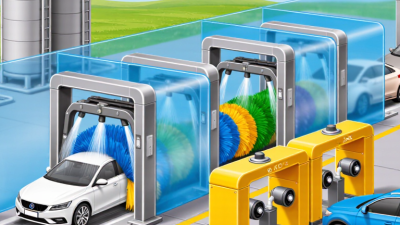
| Robotic gantry or rollover system | A vehicle remains parked while a moving frame passes around it and applies water, cleaning solution, and, on some systems, drying air. | High; the wash sequence can be largely automated after the vehicle is positioned. | Substantial fixed space, a suitable water supply, drainage, electrical installation, and equipment designed for the site. | Consistent, repeatable washing with little manual handling during the wash cycle. | Usually costly and space-intensive compared with ordinary residential washing equipment. Installation, drainage, and local rules require careful review. | Large properties or specialized residential facilities where a permanent installation is practical. |
| Fixed spray-arch or wash-bay system | Stationary nozzles spray a vehicle as it is driven or positioned through a designated wash area. | Moderate to high, depending on whether the controls, chemical dosing, and cycle timing are automated. | A dedicated wash area, plumbing, appropriate drainage, electrical supply, and enough clearance for the vehicle. | Can provide a repeatable rinse or wash process without moving a large gantry. | Coverage and cleaning results depend on nozzle placement, pressure, chemistry, and vehicle shape; installation is not usually a simple plug-in project. | Properties with a dedicated, properly drained wash bay and frequent vehicle-cleaning needs. |
| Pressure washer with foam-cannon attachment | A pressure washer supplies water to a spray wand; a foam attachment can apply diluted cleaning solution before rinsing. | Low to moderate; the equipment assists the wash, but a person usually moves the wand and handles each step. | A compatible water source, outdoor-rated electrical supply or fuel-powered unit, suitable detergent, and a safe place for runoff. | More flexible and compact than a fixed automatic installation; useful for rinsing and applying foam when operated correctly. | It is not a fully automatic system. Incorrect nozzle choice, excessive pressure, or close spraying can damage paint, trim, seals, or sensors. | Homeowners seeking a flexible, lower-complexity setup who are willing to wash the vehicle manually. |
| Hose-connected automatic spray kit | A timer or controller activates a sequence of fixed spray nozzles connected to a garden hose. | Moderate; spray timing may be automated, but vehicle positioning and some wash steps remain manual. | A hose connection, a stable mounting or bay arrangement, adequate water flow, and runoff management. | Can automate a basic spray or rinse sequence with less permanent infrastructure than a full wash bay. | Spray-only systems may not remove bonded dirt without contact, suitable detergent, or additional cleaning. Results vary with water pressure and nozzle coverage. | Simple rinse applications or experimental setups where expectations are modest. |
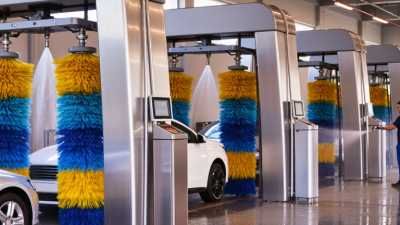
| Touchless in-bay system | Stationary equipment applies cleaning chemicals and high-pressure water without brushes or cloth contacting the vehicle. | High when installed as a complete programmed system. | Professional-grade equipment, a dedicated bay, water and power infrastructure, chemical handling, drainage, and often water-treatment provisions. | Avoids direct brush contact with the paint during the wash process. | Touchless cleaning may be less effective on some heavy or adhered soils; a residential installation can involve significant cost and site requirements. | Purpose-built facilities rather than most ordinary home driveways. |
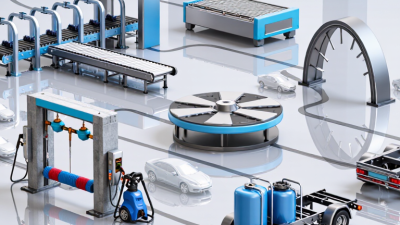
What the term means: An automatic home car wash system is equipment that automates some or all of the steps involved in washing a vehicle at a residence. The term does not identify one standardized machine. For most homes, a pressure washer or hose-connected setup is more practical, but these still require hands-on operation. A fixed gantry or wash-bay system offers greater automation but needs substantial space and suitable water, power, drainage, and installation planning. Check local water-use and wastewater-disposal requirements before installing or operating any system.