Best Automatic Car Wash Equipment Manufacturers in China?
Choosing among the best automatic car wash equipment manufacturers in China takes more than comparing prices or polished factory photos. Buyers need to understand what each supplier actually builds, how its systems perform, and what support is available after installation. Automatic Car Wash Equipment can include rollover machines, conveyor tunnels, touchless systems, dryers, pumps, controls, and water-treatment components. The right configuration depends on site dimensions, vehicle volume, local climate, and operating goals. Small details matter. A cramped service bay, for example, can turn a routine nozzle repair into a costly interruption.
This guide looks at manufacturers through practical criteria: product range, engineering capability, customization, documented quality processes, export experience, spare-parts access, and technical support. Ask for clear specifications, installation requirements, warranty terms, and references from comparable projects. If possible, review operating footage or arrange a factory or site inspection. A brochure is not proof. Nor does one successful installation guarantee consistent service everywhere. Supplier information can also change, so readers should verify current claims directly and compare like-for-like equipment before making a decision. Some comparisons remain imperfect; public data rarely reveals every maintenance issue or real operating cost. Still, careful questions can narrow the field and help buyers identify manufacturers suited to their needs—not simply the most visible names.
Overview of China’s Automatic Car Wash Equipment Industry
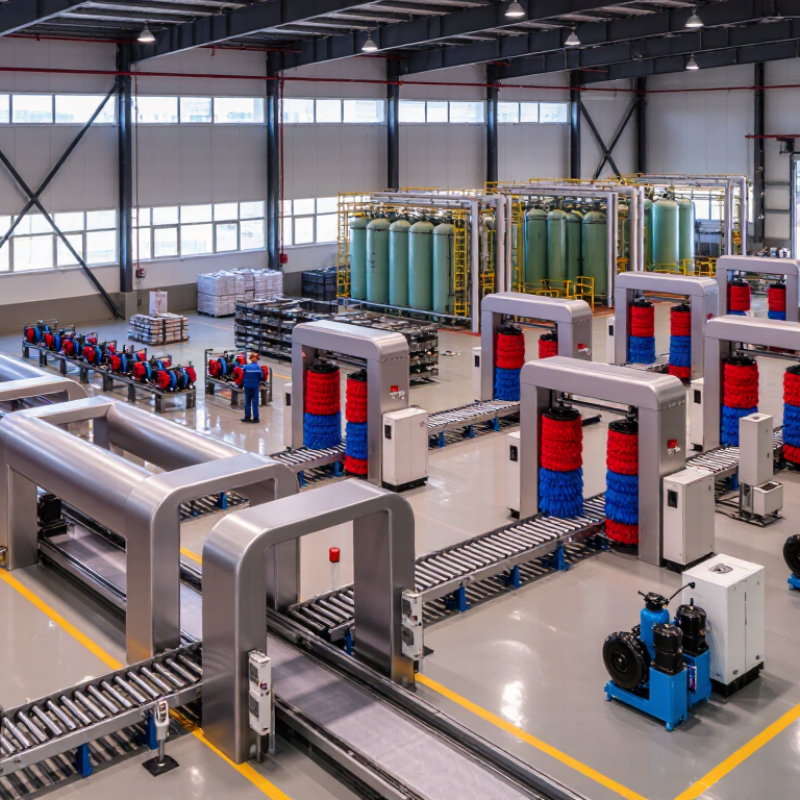
China’s automatic car wash equipment industry serves a wide range of sites, from compact urban bays to high-volume service centers. Manufacturers commonly offer rollover, tunnel, and touchless systems. Their equipment may combine vehicle-position sensors, programmable controls, pumps, brushes, and air dryers. Water-recycling units are also increasingly considered, especially where water use affects operating costs. The product range is broad. Build quality and support can still vary.
For buyers, comparing specifications is only part of the work. Ask how a system handles different vehicle sizes, winter conditions, and daily peak traffic. Review installation requirements, maintenance intervals, spare-parts availability, and the clarity of operating manuals. A demonstration using a real vehicle can reveal awkward steps that a brochure may not show. It is easy to focus too heavily on purchase price; that can be a mistake.
Tips: Request a component list, service plan, and written warranty details. Check noise, drying performance, and water-recovery results during a site visit. Ask who provides technical support in your region. If answers are vague, pause. A supplier’s ability to explain limits matters as much as its ability to describe features.
China’s Registered Automobile Fleet, 2020–2024
A growing vehicle fleet provides demand context for China’s automatic car wash equipment industry.
Registered automobiles (millions). Figures are rounded. Source: China Ministry of Public Security annual vehicle statistics. Vehicle fleet size is an industry demand indicator, not a measure of car wash equipment sales or production.
Types of Automatic Car Wash Systems and Their Applications
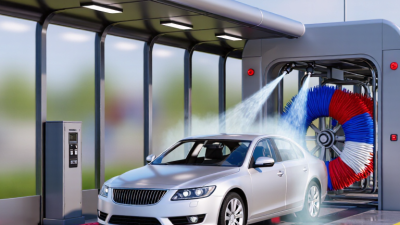
Automatic car wash systems serve different sites, traffic levels, and vehicle types. In-bay rollover systems wash a stationary car as the machine moves around it. They fit fuel stations and compact sites with limited space. Conveyor tunnels move vehicles through staged arches, brushes, dryers, and optional underbody sprays. They suit busy, high-throughput locations, but need more land and careful queue planning. Touchless systems use high-pressure water and detergents instead of direct brush contact. They can appeal to owners concerned about surface contact, though results depend heavily on chemistry and water pressure.
The Grand View Research report on the global car wash services market estimated its 2023 value at US$34.1 billion and projected 3.4% annual growth from 2024 to 2030. This measures services, not equipment sales, but signals sustained demand for varied wash formats. Site conditions still matter more than a headline growth rate. A tunnel may be inefficient where daily vehicle volume is low. That detail is easy to overlook.
Tips: Match equipment capacity to peak-hour traffic, not average traffic. Check water-recycling options, dryer noise, service access, and local utility costs before choosing. Ask for a cycle demonstration with vehicles similar to those your site will serve. Specifications help, but they do not reveal every maintenance issue.
How to Evaluate Chinese Car Wash Equipment Manufacturers
When evaluating Chinese car wash equipment manufacturers, look beyond product photos and headline prices. Ask how the equipment handles different vehicle sizes, daily operating hours, and local water conditions. Request a parts list, electrical drawings, and clear installation requirements before comparing quotations. Numbers need context. A quoted wash cycle may exclude vehicle positioning, drying, or queue time.
Check whether the manufacturer can demonstrate a complete operating system, not just individual machines. Observe a test run and note water pressure, brush movement, sensor response, and drying performance. Ask what happens when a sensor fails or a vehicle stops mid-cycle. Request maintenance schedules and expected replacement intervals for brushes, pumps, and nozzles. These details affect operating costs. A polished showroom can mislead, so seek recent customer references and, where practical, inspect an installation in use.
Review the warranty terms, technician training, spare-parts availability, and response process for service requests. Ask who handles commissioning and what support is available after shipment. Compare written specifications with the equipment shown during a demonstration. No checklist is perfect; translated documents and changing site conditions can leave gaps. Have a qualified local technician review utility needs, drainage plans, and installation drawings before placing an order.
Leading Automatic Car Wash Equipment Manufacturers in China
Leading automatic car wash equipment manufacturers in China are best judged by engineering depth, not showroom appearance. A well-built system should match its pumps, conveyors, brushes, and dryers to the site’s daily vehicle volume. Ask for clear specifications on wash speed, water use, electrical load, and available bay dimensions. Details matter. A compact tunnel may suit a busy urban location, while a rollover unit can fit a smaller service bay. Request material information for wet-zone components, where corrosion and detergent exposure can shorten equipment life.
Reliable manufacturers also explain installation, commissioning, and routine maintenance in practical terms. Look for factory testing records, wiring diagrams, spare-parts lists, and training plans for operators. Ask how the equipment handles different vehicle shapes and what happens when a sensor or pump needs attention. A polished demonstration can hide awkward service access. That is easy to overlook. Compare quoted capacities against realistic operating conditions, not ideal figures alone. A supplier’s response to technical questions can reveal more than a brochure, although one conversation is not enough. Site references and documented after-sales processes help buyers assess whether a manufacturer can support the equipment after delivery.
How to Select and Verify a Suitable Manufacturer
Selecting an automatic car wash equipment manufacturer in China takes more than comparing prices. Start with the wash types, vehicle sizes, and daily traffic your site can realistically support. Ask for a written equipment configuration, including conveyor speed, water use, drying capacity, and required installation space. Numbers matter. A polished brochure cannot show how a system performs during a busy shift.
Verify the factory and its technical experience. Request a live demonstration using a vehicle similar to yours, and watch the full wash cycle, not just a short video. Check whether the manufacturer can provide component specifications, inspection records, installation plans, and references from operating sites. Speak with a customer about downtime and response times. See it run. If travel is impractical, arrange a real-time video walkthrough and ask the operator to show the control cabinet and maintenance points.
Compare warranty terms, spare-parts availability, training, and remote support in writing. Confirm which services are included and which cost extra. Ask for a sample maintenance schedule; filters, brushes, and nozzles need routine attention. A low quotation may omit freight, commissioning, or site preparation. I have seen buyers focus on the machine price and overlook these details. That comparison can feel tedious, but it often reveals whether the proposed system fits your actual operation.