How to Choose the Best Machine Car Wash Equipment?

Choosing the right Machine Car Wash equipment is less about buying the newest model and more about matching a system to your site and customers. A compact urban bay has different needs from a high-volume tunnel. The best choice should fit your available space, expected vehicle count, local climate, and daily operating budget.

Start with the wash process you plan to offer. Touchless systems, in-bay automatics, and conveyor tunnels differ in throughput, labor needs, and cleaning methods. Look closely at practical details: bay dimensions, vehicle clearance, water pressure, drainage, electrical capacity, and access for maintenance. A machine may look efficient on paper, yet require upgrades your site cannot easily support. Small details matter.

Ask manufacturers for clear specifications, installation requirements, service terms, and realistic operating-cost estimates. Check how quickly replacement parts are available and whether technicians can support your area. If possible, visit an operating site using the same equipment. Watch a full wash cycle, listen for unusual noise, and ask operators what needs frequent attention. Their answers may be more useful than a polished brochure.

Think about water use, chemical handling, customer wait times, and the finish drivers expect. These factors affect both operating costs and repeat business. There is no universal winner. Even careful comparisons can miss something; I would revisit assumptions after seeing the equipment work in real conditions. A thoughtful evaluation helps you choose a dependable setup rather than one that merely looks impressive.
How to Choose the Best Machine Car Wash Equipment?

Define Your Car Wash Requirements and Expected Vehicle Volume

Before comparing machine car wash equipment, define the work it must handle. Estimate vehicles per day, peak-hour arrivals, vehicle types, and services such as underbody rinses or waxing. The Federal Highway Administration’s 2022 Highway Statistics recorded more than 280 million registered motor vehicles in the United States. That broad figure signals a large vehicle base, but it cannot predict demand at your site. Count traffic near the property, review nearby wash options, and track seasonal patterns. A rural location and a busy commuter road need different equipment capacities.

Tips: Estimate peak demand, not just the daily average. For example, 90 cars across ten hours averages nine cars per hour, but arrivals may cluster after work. Check queue space, wash-cycle time, staffing, water supply, and wastewater capacity together. The International Carwash Association’s consumer research can help frame questions about wash frequency and service preferences. Forecasts are guesses. Leave room for them to be wrong.

Write down a realistic low, expected, and high-volume scenario before choosing a tunnel or in-bay system. Compare each option’s rated throughput with your busiest hour, not its best-case advertising figure. Consider whether larger vehicles fit safely and whether a single equipment fault would stop operations. A spreadsheet will miss some muddy weekends, so revisit your estimates after opening and adjust operating hours or service choices as real customer counts come in.

Compare Automatic, Tunnel, and In-Bay Wash Systems

How to Choose the Best Machine Car Wash Equipment?
Compare Automatic, Tunnel, and In-Bay Wash Systems

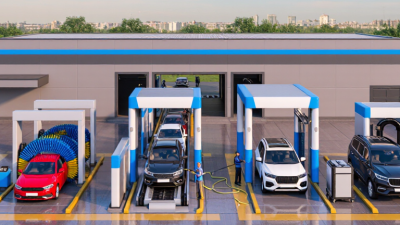
Rollover automatic systems suit sites with limited space and moderate traffic. The vehicle stays still while the wash unit moves around it. This setup can offer predictable cycle times, though each wash takes several minutes. Check the bay dimensions, vehicle clearance, and drying performance before choosing. Small details matter.

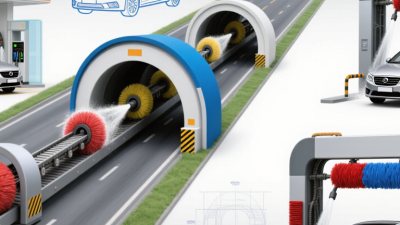
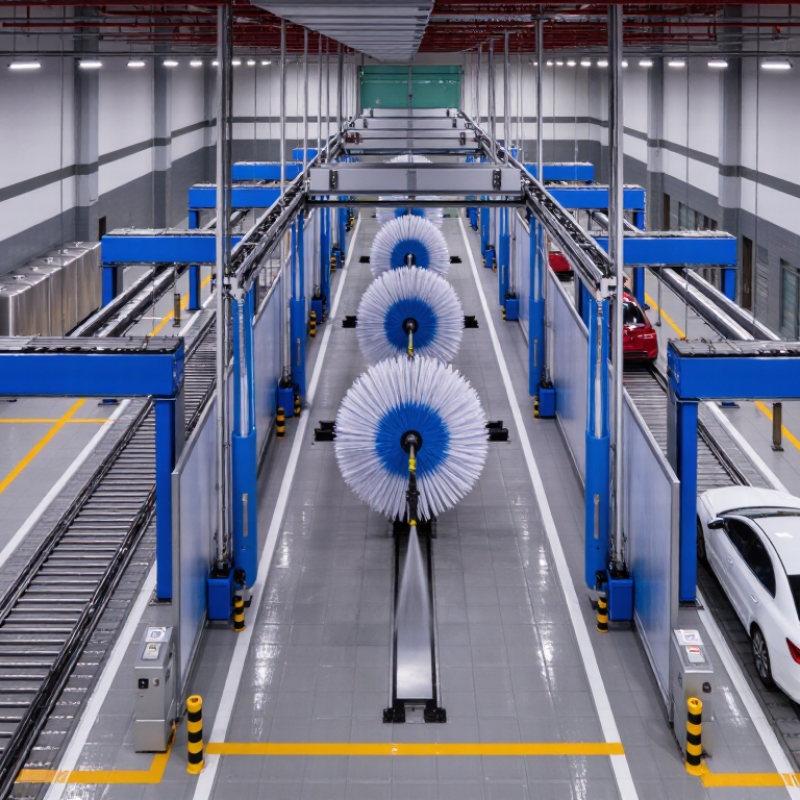
Tunnel systems move vehicles along a conveyor through several wash stages. They can handle high volumes when traffic is steady and the site has enough room. However, conveyor speed, staffing, and queue space affect the customer experience. A short entrance can cause backups, even when the equipment itself is fast. Fast is not always better.

In-bay systems wash one vehicle at a time inside a dedicated bay. They can work well at fuel stations or smaller sites, especially where space is tight. Compare their expected daily volume with tunnel capacity, then consider water use, maintenance access, and local service support. I would not choose by advertised cycle time alone; real demand is easy to misjudge. Ask suppliers for operating data from sites with similar traffic and vehicle types. The numbers may not match your location perfectly, but they provide a more useful starting point.

Assess Site Space, Utilities, and Installation Needs

A machine car wash needs more than a footprint on a site plan. Measure the full vehicle path, including queue lanes, turning space, equipment clearance, and room for maintenance access. A long conveyor may fit inside the building yet leave cars backed into the street. Check ceiling height and floor drainage, too. Small details matter.

Utilities can decide whether a site is practical. The U.S. EPA’s WaterSense at Work guide gives vehicle-wash water-use benchmarks of roughly 15–85 gallons per vehicle, depending on wash type and operating practices. That spread makes projected daily volume essential when sizing water supply, storage, and drains. The guide also describes reclamation as a way to reduce freshwater demand; confirm local water quality and discharge requirements with qualified professionals. For power, list every motor, pump, dryer, and control system, then ask an electrician to verify service capacity and peak-load needs. Don’t rely on a generic estimate. It can be wrong. Leave space for panels, shutoffs, and safe maintenance access. Before signing a lease, get utility records and a written installation review. They may reveal costly upgrades—or a layout that needs rethinking.

Evaluate Equipment Features, Capacity, and Vehicle Compatibility

Choosing machine car wash equipment starts with the vehicles you expect to serve. A compact in-bay system may work well for a small site. A conveyor can handle steadier traffic, but it needs more floor space and a reliable vehicle flow. Compare wash cycles, water use, drying power, and maintenance access. Controls should be clear enough for staff to spot a fault quickly. A feature list looks impressive; daily upkeep is less glamorous, but it matters.

Check equipment capacity against peak demand, not just an average day. Ask how many vehicles the system can process per hour under normal operating conditions. Then consider vehicle compatibility: measure bay clearance and review limits for vehicle height, width, wheelbase, and accessories such as roof racks. Pickup trucks, vans, and low-clearance cars may need different settings or careful routing. A site survey can catch problems before installation, though measurements can still miss awkward vehicle shapes.

Tips: Walk the site with a tape measure and note tight turns, drains, and utility connections. Request operating specifications in writing, then compare them with your actual vehicle mix. Leave room for staff access and routine repairs. The perfect fit on paper may feel cramped once hoses, doors, and equipment are in place.

How to Choose the Best Machine Car Wash Equipment? - Evaluate Equipment Features, Capacity, and Vehicle Compatibility

Equipment Type Main Features Typical Planning Capacity Vehicle Compatibility Space and Site Needs Best Suited For Key Limitations to Evaluate
In-Bay Automatic: Friction A machine moves around a stationary vehicle and uses cloth or foam components, detergent, rinsing, and often drying. Approximately 8–12 vehicles per hour, depending on cycle length, payment time, and operating conditions. Works with many standard passenger vehicles. Check the equipment’s posted height, width, and length limits; assess roof racks, antennas, mirrors, and other protrusions. Requires a dedicated wash bay, equipment area, drainage, and suitable water and electrical services. Often fits sites without room for a long tunnel. Fuel stations, dealerships, and other locations seeking automated washing with moderate throughput. Moving or projecting vehicle parts may need to be folded or removed. Brush or cloth contact may not suit every vehicle or customer preference.
In-Bay Automatic: Touchless Uses high-pressure water and chemical applications rather than brushes or cloth contacting the vehicle. Approximately 5–10 vehicles per hour, depending on the wash program and cycle duration. Suitable for many standard passenger vehicles within the bay’s dimensional limits. Confirm clearance for tall vehicles and accessories; pressure and spray coverage vary by system. Requires a dedicated bay and adequate water supply, drainage, electrical service, and space for pumps and chemical storage. Sites that prefer a contact-free wash process or need an automatic system in a single bay. Heavy soil may require suitable pre-treatment or a longer cycle. Cleaning results depend on chemistry, water pressure, nozzle condition, and maintenance.
Conveyor Tunnel Vehicles move through a sequence of wash stations on a conveyor, which can include pre-soak, cleaning, rinsing, and drying equipment. Approximately 30–120 vehicles per hour as a broad planning range; actual throughput depends on conveyor speed, vehicle spacing, and service mix. Can handle a range of passenger vehicles when their dimensions and underbody or wheel features meet the system’s specifications. Check vehicle guidance, loading, and conveyor compatibility. Needs a longer building footprint, queueing space, conveyor installation, drainage, and substantial utility capacity compared with a single-bay system. High-volume sites with enough land, customer demand, and staffing or operating support. Higher space and infrastructure demands. Safe operation depends on clear vehicle instructions, proper loading, and adherence to posted size limits.
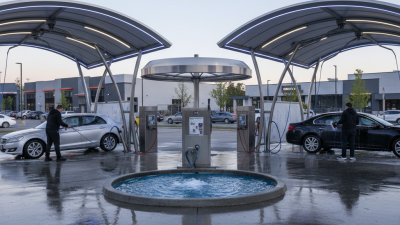
Self-Service Wash Bay Customers operate equipment such as a spray wand and select functions including soap, rinse, and sometimes wax or spot-free rinse. Highly variable; a single bay may serve roughly 2–5 vehicles per hour depending on customer wash time and site conditions. Often accommodates a broad range of vehicles within the bay’s physical clearance. Customers control the wash, but access and safe use must be considered for larger vehicles. Requires one or more individual bays, payment controls, water and drainage infrastructure, and space for vehicle access and maneuvering. Locations serving customers who want control over wash time or prefer to clean vehicles themselves. Throughput and wash quality depend heavily on customer behavior. Clear instructions, equipment upkeep, and safe hose and wand placement are important.

Planning note: Capacity figures are indicative estimates, not guaranteed production rates. Confirm each system’s rated cycle time, vehicle clearance limits, utility requirements, local drainage rules, and site layout with qualified suppliers and authorities before purchasing.

Compare Operating Costs, Safety Standards, and Maintenance Support

When comparing machine car wash equipment, look beyond the purchase price. A lower-cost system may use more water, electricity, or detergent per vehicle. Ask suppliers for estimated consumption and calculate costs using your own wash volume. Include labor, routine inspections, and downtime in the estimate. Small costs add up.

Safety features deserve close attention. Check for clearly marked emergency stops, guarded moving parts, safe access for cleaning, and written operating instructions. Confirm that the equipment can meet applicable local safety requirements, and ask who provides installation checks and staff training. A smooth demo is useful, but it does not show how a machine behaves during a jam or power interruption. Ask about those situations.

Maintenance support can determine whether savings last. Request a maintenance schedule, typical parts lead times, warranty details, and a realistic response time for service calls. Look for clear manuals and a way to reach a qualified technician. A supplier’s promise is not the same as support on a busy Saturday. Keep a simple log of faults, repairs, and water use after installation; it may reveal patterns you did not expect. I might give too much weight to a long warranty, but quick access to parts can matter more when a wash bay is idle.

How to Choose the Best Machine Car Wash Equipment?

Compare modeled water, energy, and cleaning-chemical costs per vehicle. These are illustrative planning assumptions, not universal market averages; actual costs depend on local utility rates, wash programs, equipment, and throughput.

How to use this comparison: The example estimates variable costs at $1.60 per in-bay automatic wash, $1.12 per conveyor tunnel wash, and $1.10 per self-service bay wash. Staffing, rent, equipment financing, repairs, and other costs are excluded. Before choosing equipment, verify applicable local safety and electrical requirements, emergency-stop and guarding provisions, and the supplier’s maintenance response times, parts availability, and service coverage.