How to Choose a China Top Electric Car Wash Machine?

Choosing an Electric Car Wash Machine now requires more than comparing motor power or washing speed. China’s electric vehicle market is expanding rapidly. The International Energy Agency reported that more than 11 million electric cars were sold in China during 2024, representing over half of global electric car sales. This growth creates stronger demand for efficient, vehicle-safe, and serviceable washing equipment.

For buyers, the decision should begin with actual operating conditions. A busy workshop may need a machine that handles 30 to 60 vehicles daily, while a dealership may prioritize quiet operation and a compact footprint. Check pump pressure, water flow, drying performance, noise levels, brush material, and compatibility with delicate paint and sensors. Water consumption also matters. The U.S. Environmental Protection Agency’s WaterSense program shows that efficient commercial washing systems can reduce water waste through controlled flow and recycling. However, recycling quality depends on filtration design and maintenance, not marketing claims alone.

Reliable purchasing also requires supplier verification. Request factory test records, product specifications, warranty terms, spare-parts availability, and installation guidance. ISO 9001 certification can indicate structured quality management, but it does not guarantee every machine’s performance. Ask for testing videos, customer references, and performance data under similar workloads. A low purchase price may become expensive after pump failures, sensor errors, or delayed technical support. Even a careful shortlist can be wrong. The best Electric Car Wash Machine balances cleaning quality, safety, energy use, maintenance access, and long-term service reliability. Industry reports provide direction, but hands-on testing remains essential.
How to Choose a China Top Electric Car Wash Machine?

Understanding China’s Electric Car Wash Machine Types and Applications

How to Choose a China Top Electric Car Wash Machine?

China’s electric vehicle growth changes how washing equipment should be selected. The IEA Global EV Outlook 2024 reported nearly 8 million electric car sales in China during 2023. The China Association of Automobile Manufacturers recorded 12.86 million new energy vehicle sales in 2024. These figures indicate rising demand at dealerships, charging hubs, fleet depots, and commercial parking sites.

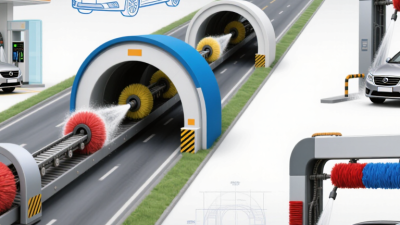
Different applications require different machine types. A touchless high-pressure system protects sensitive sensors and offers flexible cleaning. Rollover equipment suits small sites with moderate daily traffic. Tunnel systems provide higher throughput for busy service centers. Portable electric units work well for mobile operators and shared parking areas.

Water recycling matters too. It reduces consumption and supports more stable operating costs. However, recovery performance depends on maintenance, water quality, and filter replacement.

Check voltage compatibility, pump pressure, drying capacity, installation space, and local service support. A machine with excessive pressure may damage trim or cameras. A low-capacity unit may create long queues.

Field technicians often find that buyers focus on price first. That choice can become expensive. I would compare measured washing cycles, spare-part availability, safety documentation, and warranty response times.

Product brochures are not enough. Ask for test records from similar sites. No model fits every application. That remains easy to forget.

Evaluating Cleaning Performance, Features, and Technical Specifications

Choosing a top electric car wash machine in China requires more than comparing prices. Cleaning performance should lead the evaluation. During a practical test, inspect spray coverage, water pressure, foam consistency, and drying results. Ask for measured flow rates, pressure ranges, and cycle times under normal voltage. Check wheels, door edges, mirrors, and lower panels. These areas reveal uneven cleaning quickly. One impressive demonstration may not represent daily use. I have seen bright foam hide weak rinsing. That mistake is easy to make.

Tips: Request a complete cleaning video, not only close-up footage. Test several vehicle sizes and dirt conditions. Record water use, noise levels, and cleaning time. Ask whether filters, nozzles, and brushes are easy to replace. Small maintenance details often decide long-term reliability.

Technical specifications should support real operating needs. Review motor power, pump material, electrical protection, sensor accuracy, and emergency-stop response. A durable frame with corrosion-resistant parts is important in wet environments. Confirm the machine’s voltage, footprint, drainage requirements, and installation conditions. Software controls can improve consistency, but complicated screens may slow workers down. Energy consumption also deserves attention. A lower rated power does not always mean lower operating costs. Measure actual usage across several cycles. Safety documentation and clear service procedures add professional credibility. Still, specifications can be incomplete or overly optimistic. Independent testing is worth the extra effort.

Checking Manufacturer Quality, Certifications, and Customization Options

How to Choose a China Top Electric Car Wash Machine?

Checking Manufacturer Quality, Certifications, and Customization Options

Manufacturer quality becomes visible in small details. Inspect weld seams, stainless-steel thickness, cable protection, and water-pump performance. Ask for factory test records, not only attractive photographs. A reliable supplier should explain cleaning capacity, motor ratings, maintenance intervals, and expected service life in clear language.

Request copies of relevant certifications before placing an order. Check the certificate number, issuing body, product model, and validity date. A certification logo alone proves little. The documents should match the actual machine configuration. Ask whether electrical components meet the standards required in your installation country. This step can prevent expensive delays during customs clearance or site commissioning.

Customization should solve real operating problems. Provide vehicle dimensions, daily washing volume, available floor space, drainage conditions, local voltage, and winter temperatures. The manufacturer may adjust brush size, conveyor length, drying power, water recycling, or control settings. Request drawings before production. Also confirm spare-parts availability, installation guidance, training, and response times. A polished quotation can still hide weak after-sales support. I would contact existing users and ask about breakdown handling, not just washing results. One overlooked issue is noise at night. Another is insufficient drainage. Check both before approving the final design.

How to Choose a China Top Electric Car Wash Machine? - Checking Manufacturer Quality, Certifications, and Customization Options

Category Evaluation Dimension Practical Benchmark or Requirement How to Verify Why It Matters
Manufacturer Quality Production quality system A documented quality management system, preferably certified to ISO 9001:2015 for the relevant manufacturing scope. Request the certificate, verify its validity and scope through the issuing certification body, and check the factory address. Shows that production, inspection, corrective action, and document control follow a repeatable process.
Manufacturer Quality Factory and assembly capability Dedicated assembly, electrical testing, leak testing, final inspection, and traceable production records. Request a live factory audit, production photographs, inspection forms, and a sample quality-control plan. Reduces the risk of inconsistent assembly, wiring faults, water leakage, and premature component failure.
Manufacturer Quality Material and component traceability Serial numbers or batch records for pumps, motors, control panels, hoses, nozzles, sensors, and safety devices. Ask for a bill of materials, component datasheets, incoming-inspection records, and spare-part identification codes. Makes maintenance, warranty claims, and replacement-parts purchasing more reliable.
Technical Performance Water pressure and flow rate Typical commercial pressure-washing systems may operate around 70–150 bar and 10–20 L/min, depending on the cleaning task. Compare the pump nameplate, performance curve, rated working pressure, maximum pressure, and measured output under load. Higher pressure is not automatically better; the correct combination prevents paint damage and improves cleaning efficiency.
Technical Performance Electrical configuration Voltage, frequency, phase, rated current, motor power, and plug or terminal configuration must match the installation site. Confirm the nameplate, wiring diagram, motor data, overload protection, and local electrical requirements before ordering. Prevents overheating, nuisance tripping, unsafe wiring, and incompatibility with the customer’s power supply.
Technical Performance Water and energy efficiency Look for a documented water-consumption figure, trigger-controlled operation, efficient pump selection, and optional water-recovery compatibility. Request test conditions, measured litres per vehicle or operating hour, pump efficiency data, and an operating-cost estimate. Operating cost depends on actual water use, electricity consumption, duty cycle, and local utility prices.
Safety Electrical and mechanical protection Emergency stop, overload protection, residual-current protection where required, guarded moving parts, pressure relief, and clear warning labels. Review the risk assessment, electrical schematic, safety-device list, functional test records, and user manual. Car-wash equipment combines water, electricity, pressure, and moving parts, creating significant safety risks if poorly designed.
Certifications CE conformity for the European market The complete machine should satisfy applicable European requirements; CE marking is a conformity declaration, not a universal quality certification. Request the EU Declaration of Conformity, technical documentation summary, applicable directives or regulations, and relevant test reports. Helps establish legal conformity for the intended market when the documentation and product scope are correct.
Certifications Relevant technical standards Risk assessment may reference ISO 12100; machine electrical equipment may reference IEC 60204-1; enclosure protection may reference IEC 60529. Ask which standards were applied, which edition was used, and whether the evidence covers the supplied machine configuration. Standards provide a structured basis for evaluating hazards, wiring, controls, and protection against water or dust ingress.
Certifications Ingress-protection rating Select the IP rating according to the installation area; wet wash bays commonly require stronger protection than dry indoor areas. Check the rating on the electrical enclosure documentation and confirm that cable glands, doors, switches, and connectors maintain the stated protection. A suitable enclosure reduces the chance of water ingress, corrosion, short circuits, and control-system failure.
Customization Vehicle and site dimensions Specify vehicle clearance, hose length, working area, drainage layout, water-tank capacity, and installation footprint before design approval. Provide a site drawing with dimensions and request a dimensioned general-arrangement drawing for approval. Correct sizing improves operator access, prevents hose restrictions, and avoids costly site modifications.
Customization Control and user interface Options may include automatic start and stop, programmable wash cycles, pressure adjustment, multilingual labels, and remote fault indication. Request a control-panel layout, sequence description, user-interface language list, and demonstration of each requested function. A suitable interface reduces training time and helps operators identify faults quickly.
Customization Water-treatment compatibility Confirm compatibility with softened water, recycled water, filtration, detergent injection, and local water hardness. Request material compatibility information, filtration requirements, chemical-concentration limits, and maintenance intervals. Water quality and chemicals affect pump life, nozzle performance, seals, hoses, and corrosion resistance.
Service and Ownership Warranty and after-sales support Obtain written warranty coverage, exclusions, response times, remote troubleshooting procedures, and availability of wear parts. Include service terms, spare-parts pricing, troubleshooting flowcharts, and technician-support contacts in the contract. Downtime and service delays can cost more than the original equipment price in commercial operations.
Final Selection Pre-shipment acceptance test Test pressure, flow, electrical safety, emergency stop, leakage, noise, vibration, detergent dosing, and the complete operating sequence. Use a signed inspection checklist, dated test video, independent inspection, or an on-site factory acceptance test. Confirms that the delivered configuration matches the quotation, drawings, certification documents, and purchase contract.
Selection note: Compare machines using the same test conditions, including water temperature, nozzle size, pressure, flow rate, duty cycle, electrical supply, and detergent concentration. Certification documents should always match the exact machine model and supplied configuration.

Comparing Costs, Installation Needs, Maintenance, and After-Sales Support

How to Choose a China Top Electric Car Wash Machine?

When comparing a top electric car wash machine in China, purchase price is only the opening figure. Request a complete quotation with equipment, freight, customs, wiring, drainage, and commissioning costs. A cheaper quote may hide expensive site preparation. Measure the bay carefully. Check ceiling height, water pressure, power capacity, and floor slope before ordering. My first project underestimated drainage work, and the installation schedule slipped by several days.

Installation requirements vary with machine size and washing method. Ask whether technicians provide on-site guidance or remote support. Confirm the required voltage and protective devices with a qualified electrician. Maintenance should include daily nozzle checks, filter cleaning, belt inspection, and sensor testing. Keep common spare parts available, especially pumps, seals, brushes, and control components. Small failures become costly when the machine serves a busy location.

Tips: Compare the total cost over three years, not only the invoice price. Ask for a written warranty, spare-part availability, response times, and training details. Request maintenance videos and a clear troubleshooting guide. Test the supplier’s support before purchase by asking practical technical questions. Fast replies matter. Still, do not rely on promises alone. Verify certificates, manuals, installation records, and customer references. One overlooked detail can affect reliability.

Choosing the Right China Electric Car Wash Machine for Your Business

How to Choose a China Top Electric Car Wash Machine?

Choosing the right China electric car wash machine starts with your business model. A busy tunnel wash needs continuous-duty motors, stable pump pressure, and fast recovery. A small detailing shop may need lower flow and quieter operation. The U.S. Environmental Protection Agency reports that commercial car washes can use about 43 gallons of water per vehicle. The International Carwash Association also shows that professional washing can use less water than typical home washing. Water-saving design matters.

Check the machine’s real working performance, not only its advertised maximum pressure. Ask for flow-rate data, motor duty ratings, electrical requirements, noise levels, and safety documentation. Test it wet. A supplier should provide a full-load demonstration, internal wiring details, maintenance intervals, and spare-parts availability. Stainless steel fittings help in humid environments, but they do not fix poor sealing. That part is often overlooked.

For China sourcing, confirm voltage compatibility before ordering. Verify whether the pump can run for your daily operating hours. Request inspection records from an independent testing body when possible. A two-year warranty sounds useful, yet response time may matter more than its length. Keep written agreements for replacement parts and technical support. Do not guess. Grand View Research identifies growing demand for professional car wash services, but market growth does not guarantee every machine will suit your site. I would compare three tested units, then choose the one with dependable output, clear documentation, and practical service support.

How to Choose a China Top Electric Car Wash Machine?

Choosing the right machine requires balancing washing capacity, energy demand, and water efficiency. The following planning benchmarks compare common commercial machine configurations without using company or brand data.

Selection guide: Choose a configuration according to expected traffic, available electrical capacity, water supply, installation space, and total operating cost. A higher-throughput machine is suitable for busy sites, while a lower-power configuration may be more practical for smaller businesses.