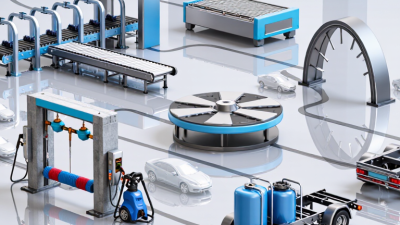
China has become an important sourcing base for automatic vehicle-wash equipment, including systems that clean without brushes touching the vehicle. Interest is rising alongside the broader car-wash services market. Grand View Research estimated that market at USD 34.2 billion in 2023 and projected a 5.3% compound annual growth rate from 2024 to 2030. These figures describe services, not touchless machine sales, so they should be read as market context rather than proof of demand for any one system.
A Car Wash Touchless Machine uses high-pressure water and cleaning chemicals instead of friction brushes. For buyers, the practical details matter: cycle time, drying performance, water-recycling options, control systems, and access to replacement parts. A polished brochure is not enough. Ask manufacturers for operating specifications, installation requirements, warranty terms, and evidence from comparable sites. Small details count.
This guide introduces ten China-based manufacturers and considers the information buyers can use to compare them. It is not a universal ranking; product lines, export support, and service capacity can change. A supplier may look strong on price yet offer limited local technical support. That matters. Treat published market forecasts as context, then verify each machine against your site, utilities, vehicle mix, and maintenance plan. Real-world performance deserves a closer look.
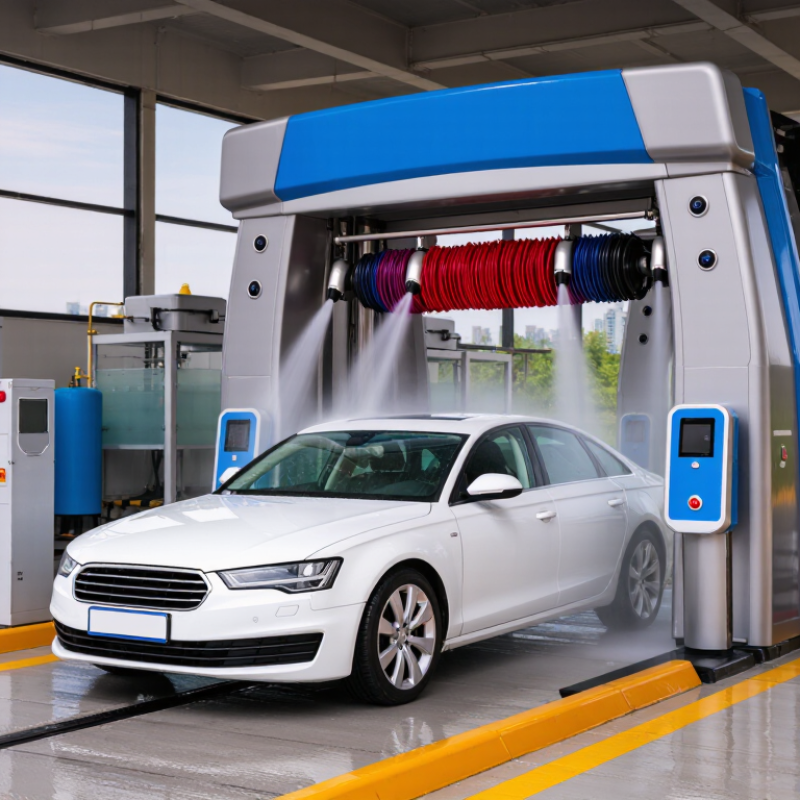
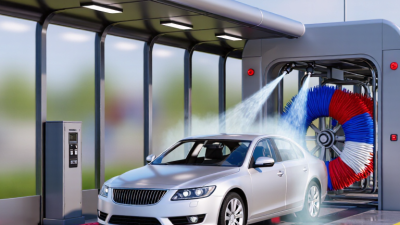
A touchless car wash machine cleans a vehicle without brushes or cloth contacting its paint. It relies on directed water pressure and cleaning solutions to loosen road film, dust, and grime.
A typical system includes spray arches, pumps, chemical dosing equipment, sensors, and a control panel. The vehicle remains stationary while the arches move around it, or the spray structure follows a programmed sequence.
Sensor accuracy matters. A poor vehicle profile can leave spray coverage uneven, especially around mirrors, bumpers, and rear windows.
Useful features include adjustable pressure, programmable wash stages, and controls for chemical concentration. Some machines also offer water recycling or drying options, though these depend on the model and installation.
Operators should check nozzle condition, filters, pump performance, and dosing regularly. Small faults can affect cleaning quality and water use.
Touchless washing can reduce contact-related marks, but it may not remove heavy mud or stubborn deposits as effectively as careful manual cleaning. In practice, no cycle is perfect. A test wash on common vehicle types can reveal missed areas before the machine enters routine service.
Selecting China’s touchless car wash manufacturers requires more than comparing prices or polished product photos. A careful review looks at engineering capability, production consistency, and evidence from machines already in service. The wash system should control water pressure, chemical dosing, and nozzle movement reliably. That matters.
Reviewers should examine cycle-time data, equipment materials, sensor performance, and documented testing. Ask how the machine handles different vehicle heights and shapes, especially when mirrors or roof accessories affect clearance. Specifications are useful, but actual operating records provide stronger evidence. Test the details.
Factory capacity also deserves close attention. Can the supplier keep key parts available and provide clear installation guidance? Request maintenance schedules, warranty terms, spare-parts lists, and examples of export projects. References should be specific enough to verify, not just a collection of attractive images. Small details count.
A fair comparison considers after-sales support alongside purchase cost. Response times, technician training, and access to replacement pumps or sensors can affect daily operation. No scorecard removes every blind spot; a factory visit or live equipment demonstration can reveal gaps that brochures miss. Sometimes, the quieter supplier is the more dependable one. Even so, selection criteria should be reviewed regularly, since product updates and service capacity can change.
China’s touchless car-wash manufacturers differ in more than price. A useful profile of ten leading suppliers should examine what each builds well: high-pressure systems, compact equipment, water-recovery units, or controls designed for busy sites. These are capability snapshots, not a verified ranking.
Look closely at the hardware. Pump output, nozzle movement, sensor placement, and drying performance all shape the wash. Some makers focus on space-saving layouts for urban sites. Others emphasize water treatment or configurable programs for different vehicle sizes. Ask how a system handles muddy wheel arches, uneven site floors, and repeated daily cycles. Details matter.
Service deserves equal attention. Check whether installation guidance, spare parts, and operator training are clearly described. A polished touchscreen is useful, but it cannot replace accessible maintenance support. Product specifications may also vary between configurations, so confirm the exact package in writing. One limitation of short manufacturer profiles is that they can make unlike systems seem directly comparable. A factory visit or a real operating demonstration can reveal what a brochure leaves out.
China Top 10 Touchless Car Wash Machine Manufacturers?
Comparing Manufacturers by Technology, Products, and Services
Comparing touchless car wash manufacturers takes more than checking advertised wash times. Look at sensor placement, nozzle coverage, and how the machine adjusts water pressure around different vehicle shapes. Ask for technical details on pumps, heating options, drying systems, and water-recycling equipment. A clear product range should explain which features come standard and which require upgrades. Small details matter.
Service can separate similar machines. Check installation support, operator training, spare-parts availability, and the response process for faults. Ask how routine maintenance is documented and whether remote troubleshooting is available. If possible, request a live demonstration using a vehicle similar to those at your site. Brochures rarely show every limitation. A comparison sheet can still miss details about noise, cleaning under mirrors, or performance during busy hours; that uncertainty deserves a direct question, not a guess.
Tips: Request a written specification and service scope before comparing prices. Confirm cycle time under real operating conditions, not just the fastest advertised setting. Ask for references from operators with a similar climate and traffic pattern. Note any unclear answers, then verify them with a demonstration or trial.
An editorial weighting framework for comparing manufacturers across technology, products, and services. The percentages are suggested evaluation weights, not measured ratings or rankings of individual companies.
Use these weights as a starting point when assessing wash-system features, equipment options, installation support, maintenance, and customization.
When comparing China’s top touchless car wash machine manufacturers, look beyond the equipment’s advertised speed. Ask how the system handles different vehicle sizes, water pressure, and local climate conditions. A unit installed in a dusty, cold region may need different protection and maintenance intervals from one used indoors. Details matter. Request a site layout, utility requirements, and a clear explanation of installation work before comparing quotations.
Ask for evidence of performance, not just attractive demonstrations. A live wash can show spray coverage, cycle time, and how easily operators use the controls. Request references from facilities with similar traffic levels, then ask what required repair during the first year. Check the warranty terms, remote troubleshooting hours, and availability of common parts such as nozzles and sensors. A low purchase price may become costly if a small component takes weeks to arrive.
Consider the manufacturer’s support after delivery. Who trains staff, documents routine checks, and responds when the machine stops mid-shift? Ask for sample maintenance records and a parts list with expected replacement intervals. No system is perfect. Even careful comparisons cannot predict every site problem, so leave room in the budget for commissioning and early adjustments. A vague answer is worth revisiting.