7 Tips for Choosing an Automatic Car Washing Machine

Choosing the right Automatic Car Washing Machine is a practical investment, not a decision made by comparing feature lists alone. The best fit depends on daily vehicle volume, available space, water and power capacity, and the finish customers expect. A compact rollover system may suit a narrow site, while a conveyor setup can handle steady traffic but needs more room and planning. Small details matter. Check the clearance at the entrance, the location of service access, and how easily staff can reach filters and brushes.

This guide explores seven points that help owners compare systems with clearer eyes: wash capacity, machine type, drying performance, maintenance needs, operating costs, supplier support, and site requirements. Ask suppliers for specifications, installation references, and realistic service schedules. Where possible, observe a machine during a busy wash cycle; a brochure cannot show every pause, splash, or bottleneck. I would also question any promise of effortless upkeep. Even dependable equipment needs cleaning, inspection, and occasional repairs.

An expert quotation can strengthen this introduction, but it should be verified before publication. No source or named expert was provided, so attributing invented words to a real person would undermine trust. A suitable verified quotation should address fit, reliability, or long-term service—not simply praise a product. The seven tips ahead offer a grounded way to assess your options, identify trade-offs, and choose equipment that works for your site rather than an idealized one.
7 Tips for Choosing an Automatic Car Washing Machine

Define Your Car Wash Needs and Expected Vehicle Volume

Before comparing automatic car washing machines, define what your site actually needs. A small neighborhood wash may serve steady local traffic, while a roadside location can face sharp weekend peaks. Note the vehicle types you expect, too. Sedans, vans, and larger vehicles may need different clearance and wash settings. A machine built for high throughput can be unnecessary if cars arrive slowly. More capacity is not always better.

Tip: Count vehicles during busy and quiet periods for at least several days. Record the time each car arrives, not just the daily total. A short queue at 5 p.m. may matter more than a high average. It is easy to underestimate seasonal swings; weather and local routines can change demand. Your first estimate may be wrong, and that is worth checking.

Tip: Match the machine’s rated cycle time to your real peak volume, then leave room for entry, payment, and drying delays. Ask suppliers how their throughput figures are measured, and compare those assumptions with your site layout. Check available space, water supply, drainage, and staffing needs before choosing. A fast wash cycle does little if vehicles cannot enter smoothly. Talk with operators of similar-sized facilities, and verify their experience against your own traffic records.

Plan Your Automatic Car Wash Capacity

Compare daily vehicle volume scenarios with the wash rate needed to serve them during an 8-hour operating day. Hourly rates are rounded up to whole vehicles.

Use your expected daily demand and operating hours to estimate the machine throughput your site requires.

Compare the Main Types of Automatic Car Wash Systems

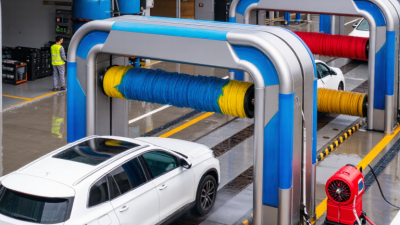
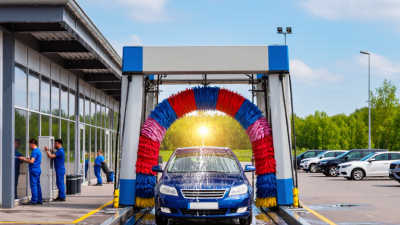
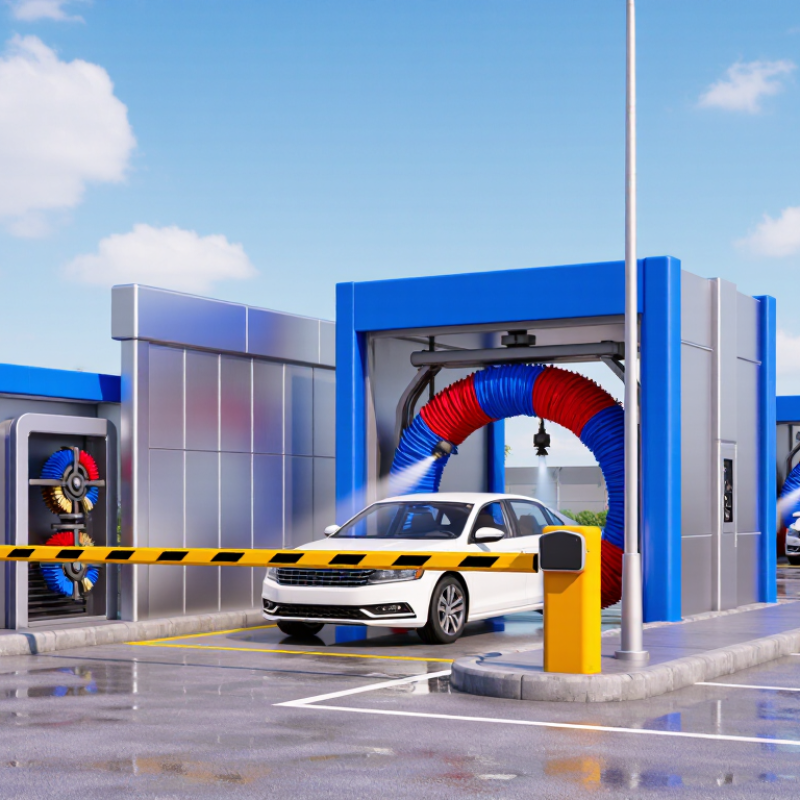
Automatic car washes usually fall into three groups: in-bay rollover, tunnel, and touchless systems. In-bay machines stay in place while brushes and spray arms move around the vehicle. They suit smaller sites and shorter queues. Tunnel systems carry cars along a conveyor, often through several cleaning stages. They can handle more vehicles, but need more floor space and careful traffic flow.

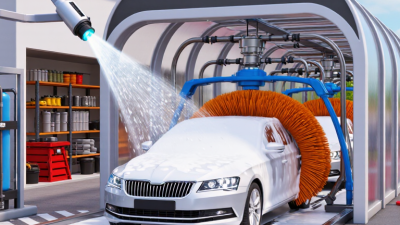
Touchless systems rely on water pressure and detergent, not cloth or brushes. That can ease concerns about brush contact, though stubborn road film may remain. Results depend on chemical choice, water pressure, and maintenance. No system wins every time. A practical choice comes down to local demand, available space, and the finish customers expect.

Water use also deserves a close look. The International Carwash Association’s water-use research reports that professional washes use roughly 40 gallons per vehicle on average, compared with about 100 gallons for a typical home wash. Actual figures vary by equipment and water-reclaim setup. Ask suppliers for measured water use per vehicle, not just a general efficiency claim. I would also inspect a sample wash: dried soap around mirrors is easy to miss in a sales brochure.

Check Space, Utilities, and Installation Requirements

Before comparing automatic car washing machines, measure the full installation area, not just the machine’s footprint. Include the vehicle approach, entry and exit paths, and room for doors or panels to open. Check ceiling height against the tallest vehicle you expect to wash. A few extra inches can prevent awkward clearance problems. Measure twice.

Allow space for maintenance access, too. Technicians may need to reach pumps, filters, control panels, and moving parts. A tight corner can turn a routine repair into a costly delay. It is easy to focus on the equipment and overlook the waiting area or vehicle queue. That detail matters. Sketch the layout with real vehicle dimensions, then confirm it on site.

Review utilities before ordering. Check the required electrical supply, water flow and pressure, drainage capacity, and any air connections listed in the machine’s specifications. Existing pipes may look adequate but still fall short under operating demand. Water needs room. Confirm where wastewater will go and whether the floor can drain without pooling. The concrete slab, anchors, and floor slope may also affect installation. Ask qualified installers to assess these conditions and verify site requirements with the equipment supplier. Estimates can be wrong, especially in older buildings, so leave time for a second inspection.

Evaluate Cleaning Features, Safety, and Ease of Operation

A useful evaluation starts with the dirt the machine must remove. Road film, dried mud, and salt deposits may need different wash settings. Check whether the system adjusts water pressure and nozzle position, rather than relying on one fixed spray pattern. Look for clear information about brush material, detergent use, and drying performance. Specifications are helpful, but a short demonstration can reveal missed spots around mirrors and lower panels.

Safety features deserve equal attention. Confirm that the machine has working vehicle-position sensors, an emergency stop, and clear instructions for stopping a cycle. Check the required vehicle clearance, too; a roof rack or loose trim can change the fit. Watch the first cycle. Notice whether warning lights are visible from the driver’s seat and whether the equipment stops when a vehicle is misaligned. Small details matter.

Ease of operation affects both staff and drivers. A readable control panel, simple wash choices, and visible progress indicators reduce confusion during busy periods. Ask how nozzles, brushes, and sensors are inspected and cleaned, and how often routine maintenance is scheduled. A complicated system may offer more options, but those options are not useful if settings are hard to understand. It is easy to overlook noise and water use during a brief demo, so consider checking them during normal operation.

7 Tips for Choosing an Automatic Car Washing Machine - Evaluate Cleaning Features, Safety, and Ease of Operation

Tip What to Evaluate Practical Check Why It Matters
1. Match the system to your vehicles Vehicle height, width, length, wheelbase, and ground clearance limits; conveyor or bay dimensions. Compare the machine’s published operating envelope with the largest vehicles you expect to wash, including vans or SUVs. Confirm limits in the installation documentation. A vehicle that exceeds the specified envelope may not fit safely or receive consistent coverage.
2. Compare cleaning methods Friction equipment such as brushes or cloth, touchless high-pressure washing, or a combination of methods. Ask for a demonstration using typical soil. Check how the system reaches wheels, lower panels, mirrors, and rear surfaces, and whether the wash sequence can be configured. Friction and touchless systems clean in different ways; results depend on soil, equipment setup, detergents, and maintenance.
3. Review wash programs and cycle time Available wash packages, optional treatments, cycle duration, and stated vehicles-per-hour capacity. Request the cycle time and throughput for each package, then compare them with expected busy-period demand. Check whether advertised capacity assumes continuous operation. Throughput varies by program, vehicle spacing, operator tasks, and site layout, so published figures should be checked against real operating conditions.
4. Check water and chemical use Fresh-water consumption per vehicle, water-recovery equipment, filtration, chemical dosing, and discharge requirements. Request documented consumption figures and maintenance requirements for filters and recovery equipment. Confirm that water treatment and discharge plans meet local rules. Water reuse can reduce fresh-water demand, but recovered water generally requires treatment and does not eliminate all fresh-water use.
5. Verify safety systems Emergency stops, vehicle-position sensors, equipment guards, interlocks, warning signals, and safe access for maintenance. Ask the supplier to demonstrate emergency-stop operation and explain how the machine responds to incorrect vehicle positioning, a detected obstruction, or a fault. Appropriate safeguards help protect customers, staff, vehicles, and service personnel. Confirm applicable local safety requirements before installation.
6. Test ease of operation Control-panel clarity, program selection, payment options, fault messages, operator training, and language support. Have an operator complete a normal wash and respond to a sample alert. Review the user instructions and the process for restarting after a stoppage. Clear controls and practical training can reduce operating errors and help staff handle routine interruptions consistently.
7. Assess maintenance and support Routine service intervals, wear-part availability, cleaning access, warranty terms, technical support, and spare-parts lead times. Request a written maintenance schedule and a list of parts that need periodic inspection or replacement. Confirm who provides service and how urgent faults are handled. Maintenance needs and repair response affect uptime, operating costs, and the consistency of wash performance.
Selection note: Treat stated capacity, utility consumption, and vehicle limits as model- and installation-specific figures. Confirm them in current technical documents and verify site, building, drainage, and local regulatory requirements before purchase.

Compare Purchase Costs, Maintenance, and After-Sales Support

The purchase price is only one part of an automatic car washing machine’s cost. Compare installation, water treatment, payment systems, and staff training before making a decision. A lower quote may exclude drainage work or essential safety features. Ask for a written breakdown. Small details matter. For example, a pump replacement can cost more when parts must be shipped from far away. Request estimated prices for common wear items, such as brushes, filters, and spray nozzles. Then compare expected costs over several years, not just the first invoice.

Maintenance plans vary. Check how often routine servicing is recommended and whether your team can handle simple tasks, like cleaning filters or checking nozzles. Downtime costs money. Ask how quickly technicians usually respond, what hours support is available, and whether spare parts are kept nearby. Read the warranty carefully: coverage may differ for labor, electronics, and components exposed to water or detergents. It is easy to focus on a long warranty and overlook exclusions. Compare the actual service process, including response targets and travel charges. If the supplier cannot provide clear estimates, treat your budget as uncertain and leave room for repairs.