7 Tips for Choosing a Touchless Car Wash Machine

Choosing a Touchless Car Wash Machine is a capital decision, not just a way to avoid brushes. The right system must suit local demand, site layout, water supply, and staffing capacity. Grand View Research estimated the global car wash services market at USD 34.97 billion in 2023 and projected a 6.1% compound annual growth rate from 2024 to 2030. That forecast points to a growing market, but it does not guarantee strong returns for any individual location.

Industry reports can help frame the opportunity. Grand View Research provides broad market estimates, while International Carwash Association resources offer sector research and operator-focused context. Neither replaces checking your own traffic counts, utility costs, and service records. Small details matter: a vehicle’s clearance, the time needed between washes, and where water drains can affect daily operations. So can local water conditions and the availability of technicians.

The seven tips ahead focus on practical evaluation: cleaning performance, vehicle compatibility, cycle time, water management, controls, service support, and total ownership cost. Ask suppliers for documented test results and references from comparable sites. Then check those claims against your own operating assumptions. A polished sales demo is useful, but it is not a field trial. Some figures may look precise while hiding important differences in soil, weather, or vehicle mix. That is worth questioning. A careful shortlist can help buyers compare machines on evidence, rather than appearance alone.
7 Tips for Choosing a Touchless Car Wash Machine

Understanding Your Facility’s Needs and Wash Volume

Car Wash Equipment Guide
7 Tips for Choosing a Touchless Car Wash Machine

Understanding Your Facility’s Needs and Wash Volume

A touchless car wash should fit your site’s real demand, not an optimistic forecast. Start with daily vehicle counts, then separate weekday traffic from weekend peaks. A quiet Tuesday can hide a Saturday queue. Record arrivals by hour for several weeks, including rainy days and local events.

The U.S. EPA’s WaterSense at Work guide gives about 40 gallons per vehicle as a benchmark for in-bay automatic washes without water reuse. At 50 washes daily, that suggests roughly 2,000 gallons of wash water. Actual demand varies with equipment settings and reclaim capacity.

Compare your estimate with available water supply, drainage, storage, and utility capacity. Check bay dimensions and space for waiting vehicles without blocking entrances. Match the machine’s cycle time to your busiest hour, not your daily average. Twelve cars arriving in one hour need a different queue plan than twelve spread across a full day.

Ask maintenance staff about downtime and routine service intervals. Small gaps matter. Forecasts are imperfect. Recheck counts after opening, and adjust staffing or operating hours before assuming demand will grow.

Comparing Touchless Wash Technologies and Key Features

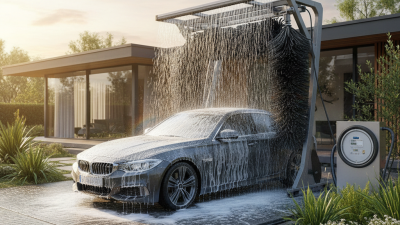
Touchless wash systems clean with high-pressure water and detergents, rather than brushes or cloth. This reduces direct contact with paint, but may leave stubborn road film behind. High-pressure arches use focused jets; chemical-assisted systems rely more on detergent dwell time. Both need careful calibration.

Tip: Compare nozzle coverage, pump pressure, and chemical dosing controls—not pressure alone.

The International Carwash Association’s water-use research places professional car washes near 40 gallons of water per vehicle. Home washing may use 80–140 gallons, depending on hose flow and washing habits. These are broad estimates, not a promise for every site. Reclaim capacity and rinse design can change actual consumption.

Tip: Ask suppliers for measured water use per vehicle, including rinse and reclaim data.

Check how sensors profile vehicle size and position. Poor alignment can leave a dry strip or send jets too close to mirrors. Review maintenance access, winterization needs, and drying performance on tall vehicles. Test the system with dusty panels and dried road salt before committing. No machine handles every soil equally. That trade-off is easy to overlook.

Evaluating Cleaning Performance, Vehicle Compatibility, and Safety

Cleaning performance should be judged on more than a glossy finish. Check whether the machine’s spray pattern reaches rocker panels, wheel wells, and the rear of larger vehicles. Ask for test results on road film and dried dirt, not just fresh dust. EPA’s WaterSense at Work guide puts automatic vehicle-wash water use at roughly 30–100 gallons per vehicle, depending on system type. That wide range matters. Compare water use alongside cleaning results, and ask how filtration or water reclaim affects pressure and consistency. A practical test is simple: inspect a dark-colored vehicle in daylight, especially behind the wheels.

Vehicle compatibility starts with measured clearance, not a vague “fits most cars” claim. Compare the machine’s height and width limits with the tallest and widest vehicles your site expects, including roof racks and mirrors. Verify that sensors detect unusual shapes and that the wash cycle can accommodate pickup beds or low ground clearance. Safety deserves the same scrutiny. Review emergency-stop access, sensor checks, and documented maintenance procedures; request operating records rather than relying on a sales demonstration. OSHA’s machine-guarding guidance emphasizes keeping workers clear of moving equipment and hazardous energy during servicing. The details can be easy to overlook. A sensor can still fail, so confirm how faults stop the cycle and who checks the system each day.

Assessing Installation Requirements, Maintenance, and Operating Costs

Before comparing machines, inspect the actual site. Measure bay width, ceiling height, and vehicle approach space, then confirm the floor can support the equipment. A touchless system may need dedicated electrical capacity, water supply, drainage, and room for treatment tanks. Ask a qualified installer to review utility drawings and check water pressure on site. Measure twice. A small clearance mistake can disrupt daily traffic.

Maintenance needs affect both reliability and labor. Check how easily staff can reach filters, chemical lines, pumps, and spray nozzles. Nozzles can clog, and worn seals may cause leaks that are easy to miss during a busy shift. Ask for a recommended service schedule and a clear list of routine parts. Keep simple service records. They help reveal recurring faults, though staff may not log every small issue.

Estimate operating costs using local water, sewer, electricity, and chemical rates. Include labor, replacement parts, and expected downtime, not just the purchase price. Request realistic consumption figures for a typical vehicle, then compare them with your own usage assumptions. Actual costs vary with wash volume and local conditions. My estimate might still miss a winter-related repair or an unusually quiet month. Check whether water-reuse equipment, if included, adds cleaning tasks or extra maintenance.

Touchless Car Wash: Example Annual Operating Costs

Compare recurring costs when evaluating a machine. Check site access, drainage, water supply, electrical capacity, and available space before installation; also confirm service intervals and parts availability.

Example planning model, not a quote: 50 washes per day over 300 days (15,000 washes annually); 25 gallons of fresh water per wash at $0.015 per gallon for water and sewer; 0.5 kWh per wash at $0.15 per kWh; $0.75 in chemicals per wash; and $3,000 in annual routine maintenance. Actual costs vary by local utility rates, equipment, water-reclaim system, and usage. Excludes labor, financing, and installation.

Selecting a Reliable Manufacturer and Support Plan

A reliable touchless car wash depends on more than its frame and spray arches. Ask manufacturers for service-response targets, technician coverage, and a parts list for pumps, sensors, and nozzles. Get the warranty exclusions in writing. Small details matter. A support plan should name who answers after hours and how quickly critical parts ship, not simply promise “full service.”

Check whether the manufacturer provides installation guidance, operator training, and scheduled maintenance instructions. Ask to see sample service records from comparable machines. International Carwash Association WaterSavers materials cite roughly 40 gallons of water per vehicle at a professional wash, while home washing can exceed 100 gallons. That makes water-reclaim equipment and its maintenance worth discussing. Ask how technicians check filters, reclaim pumps, and water quality, and whether training covers those checks.

Compare total ownership costs, not just the purchase price. Request realistic estimates for parts, labor, travel, and software support over several years. A low quote can feel reassuring, but it may exclude travel or routine service. Response times can also slip during peak season. Ask for a written escalation path, then speak with an operator using a similar setup. Their account may reveal practical gaps a polished proposal leaves out.