How Much Does an Automatic Car Wash System Cost in 2026?

Planning a car wash begins with a more difficult question than many investors expect: what does an Automatic Car Wash System Cost in 2026? Equipment prices are only one part of the answer. Site work, water treatment, payment technology, installation, permits, labor, utilities, and maintenance can reshape the final budget.

Grand View Research estimates that the global automatic car wash market will continue expanding through the decade, supported by urbanization, vehicle ownership, and demand for faster cleaning services. The International Carwash Association’s 2024 consumer research also shows strong consumer participation in professional car washing. However, market growth does not guarantee a quick return. The figures are not perfectly comparable.

A realistic 2026 estimate may place an in-bay automatic system near $150,000 to $500,000 for equipment and installation. Larger tunnel operations can require $1 million to more than $3 million, depending on land, building design, conveyor length, and finishing equipment. These are planning ranges, not promises. Prices vary sharply by region and supplier.

Eric Wulf, a longtime International Carwash Association executive, has offered a useful warning: “Every site is different.” That short sentence matters. A low equipment quote can hide expensive drainage upgrades or electrical work. A premium system may reduce labor and increase throughput, but only when customer volume supports it. This guide examines Automatic Car Wash System Cost through equipment prices, construction expenses, operating costs, financing, and payback assumptions. Some estimates may prove imperfect. That is intentional. Honest budgeting should expose uncertainty before concrete is poured.
How Much Does an Automatic Car Wash System Cost in 2026?

Automatic Car Wash Systems: Types, Features, and Operating Principles

Automatic Car Wash Systems: Types, Features, and Operating Principles

In 2026, an automatic car wash system may cost roughly $150,000 to $500,000 installed. Site preparation, drainage, water treatment, and construction can change that figure sharply. A basic in-bay automatic unit serves one vehicle at a time. It uses moving brushes, high-pressure spray, or both. Conveyor systems move several vehicles through separate washing stages. They usually need more space and stronger traffic planning.

Touchless systems clean vehicles with detergent, pressure, and carefully timed rinsing. Friction systems use rotating cloth or foam materials for deeper contact cleaning. Each type has trade-offs.

Touchless equipment reduces contact concerns but may struggle with heavy road film. Friction equipment can clean more aggressively, although maintenance becomes more important.

Sensors measure vehicle position and shape. Controllers then adjust arches, brushes, spray angles, and dryer timing.

The main features include payment controls, chemical dosing, water reclaim, heat management, and emergency shutoffs. A reclaim system can reduce fresh-water demand, but filters require regular inspection. Dirty filters weaken spray pressure.

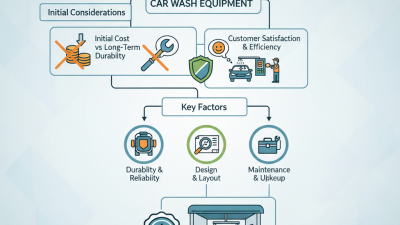
I have seen project estimates overlook drainage upgrades and electrical work. That mistake is expensive. Operators should compare throughput, labor needs, utility use, and local site conditions before choosing equipment. The cheapest system may create longer queues, uneven drying, or higher repair costs. Some assumptions will be wrong. Recheck them with measured traffic data.

Key Factors That Determine Automatic Car Wash System Costs

In 2026, an automatic car wash system may cost about $80,000 to over $500,000 installed. That range is broad for a reason. Equipment type strongly affects the starting price. A compact rollover system usually needs less space and fewer components. A tunnel system requires longer buildings, conveyors, dryers, and higher installation budgets. Expected traffic also matters. Volume changes everything.

Site preparation can add significant costs before equipment arrives. Concrete work, drainage, electrical upgrades, plumbing, water storage, and ventilation must fit the chosen design. A narrow urban site may require expensive remodeling. A new rural site may need utility connections and road improvements. Local permits and environmental requirements can also change the final budget. These expenses are often underestimated.

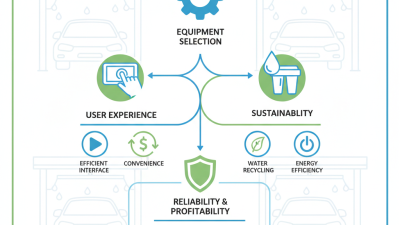
Water recycling, payment controls, chemical monitoring, and remote diagnostics influence both price and operating efficiency. A recycling system may cost more initially, but it can reduce water consumption over time. Labor needs depend on automation, customer flow, and maintenance access. Reliable service contracts should be compared carefully, not accepted by habit. Small details matter. A neat spreadsheet can still mislead if it ignores repairs, winter protection, or equipment downtime. Requesting itemized quotations and checking installation references provides stronger evidence than relying on a headline price. That estimate can fail.

How Much Does an Automatic Car Wash System Cost in 2026? - Key Factors That Determine Automatic Car Wash System Costs

Cost Dimension Typical 2026 Range What Is Included or Measured Main Factors Affecting the Cost
In-bay automatic system $150,000–$400,000 installed Automatic wash equipment, controls, payment station, basic installation, and commissioning Equipment configuration, building condition, water-treatment requirements, and site preparation
Automatic tunnel system $500,000–$1,500,000 installed Conveyor, wash arches, dryers, chemical systems, payment equipment, and standard site integration Tunnel length, conveyor type, drying capacity, building modifications, and local construction costs
Equipment-only purchase $100,000–$900,000 Major mechanical, electrical, control, and dispensing equipment before construction and installation System size, automation level, imported components, custom features, and shipping distance
Site preparation and civil work $75,000–$350,000 Concrete slab, drainage, trenching, utility connections, grading, and traffic-flow improvements Existing infrastructure, soil conditions, drainage regulations, demolition, and local labor rates
Building or bay construction $150,000–$800,000+ Wash bay, equipment room, canopy, ventilation, lighting, doors, and customer-service areas Floor area, building condition, structural requirements, climate, finishes, and building-code compliance
Water reclamation system $25,000–$150,000 Collection tanks, filtration, treatment equipment, pumps, and controls for reusing wash water Required water-reuse percentage, local regulations, water quality, capacity, and treatment complexity
Payment and license-plate systems $15,000–$75,000 Self-service kiosks, card readers, mobile payment, membership tools, and vehicle-recognition hardware Number of lanes, payment options, software subscriptions, security features, and integration needs
Drying and finishing equipment $30,000–$180,000 Blowers, dryers, spot-free rinse, wax application, tire cleaning, and finishing modules Drying speed, number of blower units, energy efficiency, treatment quality, and premium services
Installation and commissioning 8%–18% of equipment cost Mechanical assembly, electrical work, programming, testing, staff training, and start-up support Project complexity, travel requirements, utility work, installation schedule, and contractor availability
Permits, engineering, and professional fees $20,000–$125,000 Architectural plans, engineering, environmental reviews, permits, inspections, and legal administration Municipality, project value, environmental rules, zoning requirements, and approval time
Typical land requirement 0.25–1.5 acres Space for the wash structure, vehicle queue, circulation, parking, utilities, and stormwater management System type, traffic volume, queue length, local setbacks, access points, and site geometry
Estimated throughput 8–25 vehicles per hour for in-bay; 60–180 for tunnel Approximate processing capacity under normal operating conditions Cycle time, conveyor speed, staffing, vehicle mix, payment process, and drying time
Annual maintenance and service 4%–10% of equipment cost per year Preventive maintenance, replacement parts, inspections, software support, and emergency repairs Vehicle volume, water chemistry, operating hours, equipment quality, and service-contract coverage
Utilities and consumables $0.50–$2.50 per vehicle Water, sewer, electricity, chemicals, payment processing, and routine consumables Local utility rates, water usage, reclamation efficiency, chemical program, and wash package design
Recommended contingency budget 10%–20% of the project budget Allowance for design changes, material-price changes, unforeseen site conditions, and schedule delays Age of the site, permitting uncertainty, construction market conditions, and project customization

Note: These are planning-level 2026 estimates in U.S. dollars. Actual costs vary by location, site condition, system capacity, construction scope, utility requirements, and selected features. Land acquisition, financing costs, taxes, and working capital are excluded unless specifically stated.

2026 Price Ranges for Different Automatic Car Wash Configurations

How Much Does an Automatic Car Wash System Cost in 2026?

In 2026, an automatic car wash system usually costs between $150,000 and $1.5 million. The final figure depends on capacity, automation level, land preparation, and local construction rates. Equipment-only prices can look attractive, but installation often adds 30% to 60%. Electrical upgrades, drainage, water treatment, payment terminals, and safety sensors can quickly change the budget.

A basic in-bay automatic system generally ranges from $150,000 to $350,000 installed. It suits smaller sites with one wash bay and moderate traffic.

Touchless configurations often cost $180,000 to $450,000 because they require stronger pumps, precision controls, and more water management.

A conveyor tunnel system may require $500,000 to $1.5 million or more. It needs longer buildings, extra vacuum stations, drying equipment, and larger utility connections. Shorter tunnels can reduce construction costs, but they may limit vehicle capacity.

Retrofit projects sometimes fall between $80,000 and $250,000. Existing buildings help, though hidden repairs can be expensive. A damaged floor or undersized electrical panel is easy to overlook.

Annual maintenance may reach 5% to 10% of the equipment price, excluding labor and water fees. These ranges are planning estimates, not quotations.

Actual costs should be checked against site drawings, utility conditions, expected daily vehicles, and written installation proposals. A careful budget should also allow for delays, because construction schedules rarely remain perfect.

Additional Expenses for Installation, Maintenance, and Site Preparation

How Much Does an Automatic Car Wash System Cost in 2026?

Installation costs can exceed the equipment price. A single-bay automatic system may require $250,000 to $600,000, excluding land and financing. Larger conveyor systems can pass $1 million after construction, utilities, and customer-access improvements. These figures reflect 2025 industry cost benchmarks and regional contractor estimates. Actual pricing changes sharply with site conditions.

Site preparation often creates the largest surprise. Expect excavation, concrete slabs, drainage, oil-water separation, electrical upgrades, and water connections. Permits are not minor. Local wastewater requirements may add thousands of dollars. The 2025 RSMeans Construction Cost Data shows commercial construction prices vary substantially by region and labor market. A 10% to 20% contingency is sensible, but it is not magic.

Maintenance also deserves a realistic budget. Pumps, dryers, sensors, brushes, and payment hardware need regular inspection and replacement. The International Carwash Association’s industry information identifies water, labor, utilities, and repairs as major operating costs. According to U.S. EPA WaterSense guidance, automatic washes may use roughly 40 to 60 gallons per vehicle, depending on equipment and water recovery. Recovery systems can reduce freshwater demand, but they add filters, tanks, testing, and service work. Some budgets ignore these recurring tasks. That mistake becomes expensive during peak seasons.

How to Estimate Long-Term Returns and Choose the Right System

In 2026, an automatic car wash system may cost $80,000 to $500,000, depending on format, capacity, and site preparation. Equipment is only one line in the budget. Construction, drainage, water treatment, payment hardware, permits, installation, and opening inventory can add substantial expense. A realistic estimate starts with three traffic scenarios: cautious, expected, and strong. Count vehicles per day, average wash price, and operating days. Then subtract labor, utilities, chemicals, maintenance, insurance, rent, and loan payments. Keep a contingency reserve. Equipment delays happen.

For long-term returns, build a monthly cash-flow model for at least five years. Record revenue by wash type rather than using one optimistic average. A $12 wash serving 90 cars daily produces different results from a $20 wash serving 45 cars. Both generate $1,080 in daily sales, but queue length, staffing, and customer retention may differ. Include seasonal rain, freezing weather, downtime, price changes, and replacement parts. Calculate the payback period, annual return on invested capital, and break-even volume. Test a 15% drop in traffic. That uncomfortable scenario often exposes weak assumptions. My own preference is to trust measured traffic before polished projections. Yet traffic counters can misread nearby vehicles.

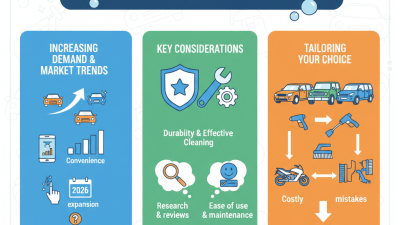
Choose the system around your site, not around impressive specifications. Compare throughput, water consumption, drying performance, service access, safety controls, and parts availability. Ask for documented uptime and maintenance schedules. Speak with operators using similar traffic and climate conditions. A cheaper system may cost more when repairs interrupt peak hours. A larger system may remain underused and increase financing pressure. Review warranty terms carefully, including response times and excluded components. Leave room for staff training and customer feedback. The best choice is rarely the fastest machine. It is the system whose total cost your site can reliably carry.