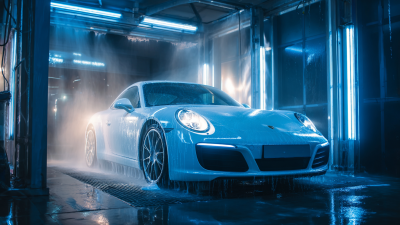
What is an Automatic Home Car Wash System and How Does It Work?
The Automatic Home Car Wash System is gaining traction among car owners. According to a recent report by IBISWorld, the car wash industry has grown significantly, with a projected market size of over $11 billion by 2025. Home car wash systems are becoming essential for those who prioritize cleanliness and convenience.
Industry expert John McKenzie, CEO of ShineTech Solutions, noted, "An Automatic Home Car Wash System offers efficiency and quality that traditional hand washes struggle to match." This highlights the growing demand for systems that provide thorough cleaning while saving time. Many consumers are drawn to the idea of washing their vehicles anytime without leaving home.
However, potential buyers should consider installation space and water use. Some systems utilize large amounts of water, raising concerns about environmental impact. While the convenience is appealing, it is essential to acknowledge that not all systems are created equal. Buyers must evaluate features and performance carefully before making a purchase.
What is an Automatic Home Car Wash System?
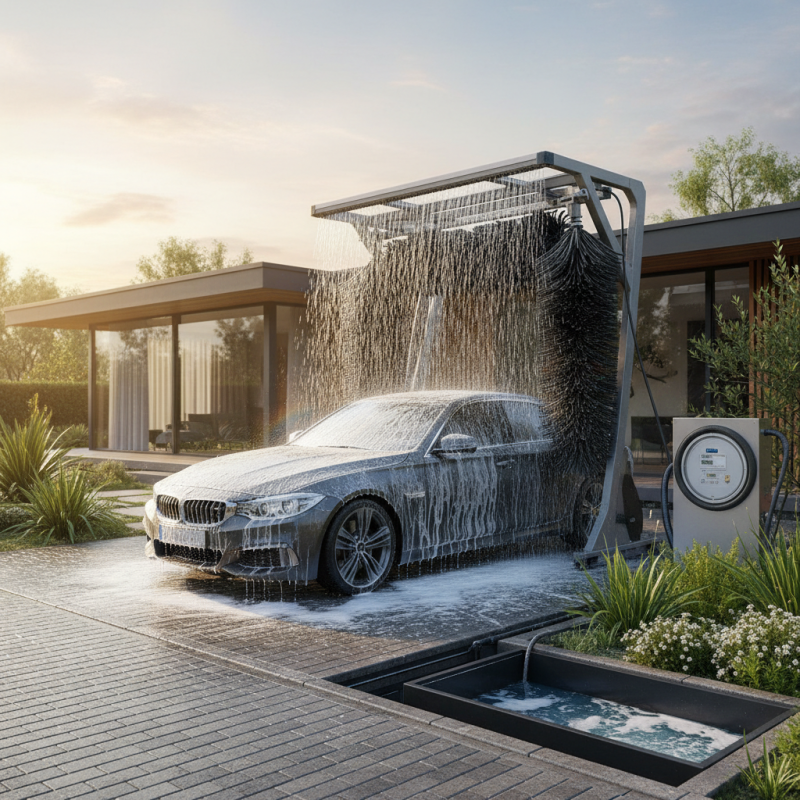
An automatic home car wash system is a convenient solution for car owners. It offers a hassle-free way to keep your vehicle clean. Unlike traditional washing methods, which may require manual labor and time, these systems streamline the process. They are designed to wash your car quickly and efficiently without needing constant supervision.
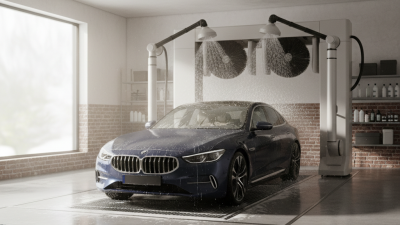
The core components of these systems usually include a washing mechanism, sensors, and water jets. The washing mechanism moves along the car’s surface, applying soap and water in a systematic way. Sensors detect the vehicle's dimensions, ensuring that every inch is cleaned. Many systems also include drying features, so your car is left spotless after the wash.
However, there are limitations. Not every car wash system can handle larger vehicles, and the cleaning quality may vary. Some users find that stubborn dirt or grime requires additional attention. Additionally, costs can accumulate over time, especially if maintenance is needed. Evaluating the long-term benefits versus potential drawbacks is essential for prospective buyers.
Automatic Home Car Wash System Usage Statistics
This bar chart represents the estimated number of users utilizing automatic home car wash systems based on different usage frequencies. It illustrates the trend of adoption among users over various time frames.
Key Components of an Automatic Home Car Wash System
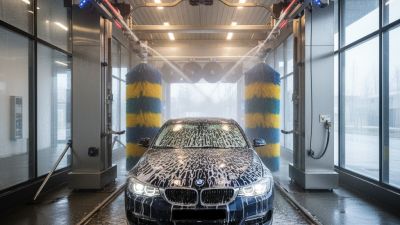
An automatic home car wash system streamlines vehicle cleaning using technology and convenience. At its core, it comprises several key components designed for efficiency. One critical element is the wash system itself, which includes rotating brushes and high-pressure nozzles. These ensure a thorough clean while minimizing contact with the vehicle's surface, reducing the risk of scratches.
Another essential component is the water reclamation system. Reports indicate that over 80% of water used in conventional car washes is wasted. An automated system captures and recycles water, making it more environmentally friendly. This recycling process not only conserves water but also enhances the overall efficiency of the wash cycle.
Additionally, advanced drying mechanisms come into play. Blower systems with powerful fans quickly remove excess water. This step reduces spots and streaks, allowing for a spotless finish. Despite the advantages, users sometimes encounter maintenance challenges. Keeping the system free from debris and buildup is crucial for optimal performance. This may require regular checks, which some may find inconvenient. The balance between functionality and maintenance could be a point of reflection for prospective owners.
How Automatic Home Car Wash Systems Function Mechanically
Automatic home car wash systems are designed to simplify vehicle cleaning. These systems typically consist of multiple components that work together in unison. Spray nozzles dispense water and soap at high pressure. Brushes often rotate to scrub the surface. Sensors detect the vehicle's size, ensuring adequate coverage. This precise operation makes car washing efficient and convenient.
Mechanically, the systems use a combination of pumps and motors. High-pressure pumps generate powerful water jets. Electric motors control the brushes and conveyor systems. Some systems utilize a conveyor belt to move the vehicle through the wash. This creates a consistent cleaning experience. Users can customize wash settings based on their preferences, such as rinsing or waxing.
Despite their advantages, issues can arise. Mechanical components may wear out, leading to poor performance. Clogged nozzles might restrict water flow, causing uneven cleaning. Regular maintenance is essential to keep these systems operating at peak efficiency. Understanding these mechanical functions helps users identify potential problems early on.
What is an Automatic Home Car Wash System and How Does It Work?
| Feature |
Description |
Benefits |
| System Type |
Automatic pressure washers or brush systems |
Efficient cleaning with minimal manual effort |
| Water Source |
Typically connected to a standard water supply |
Convenient operation without the need for extra pumps |
| Cleaning Solution |
Specialized detergents to enhance cleaning |
Improved dirt removal and protection for car surfaces |
| Control System |
Automated controls based on the user's settings |
User-friendly operation and customizable washing cycles |
| Drying Mechanism |
Integrated drying system using air blowers or cloths |
Prevents water spots and streaks on the vehicle |
| Energy Use |
Electricity to power the system and water pumps |
Efficient energy consumption compared to manual washing |
| Maintenance |
Regular checks on water filters and hoses |
Ensures longevity and optimal performance of the system |
Efficiency and Water Consumption of Home Car Wash Systems
Automatic home car wash systems offer a convenient way to clean vehicles efficiently. These systems are designed to minimize water consumption and save time. According to industry reports, a traditional hand car wash can use up to 100 gallons of water. In contrast, an automatic home car wash system can consume as little as 15 gallons per wash. This remarkable reduction in water use appeals to eco-conscious consumers.
Efficiency is another critical aspect of these systems. Studies indicate that automated washes can clean a car in approximately 5 to 10 minutes, depending on the setup. Consumers should note that not all systems maintain the same level of cleanliness. Some may leave spots or streaks if not adequately maintained. Regular inspection and maintenance of these systems are essential to ensure their optimal performance.
Water recycling capabilities further enhance sustainability. Many modern systems incorporate water reclamation technology. They can recycle up to 80% of the water used during the washing process. However, not all homeowners invest in such systems, often due to initial costs. This can lead to challenges in balancing convenience and environmental impact. Overall, an automatic home car wash system can be a practical solution, but its effectiveness may vary based on usage and maintenance practices.
Benefits of Using Automatic Car Wash Systems for Vehicle Maintenance
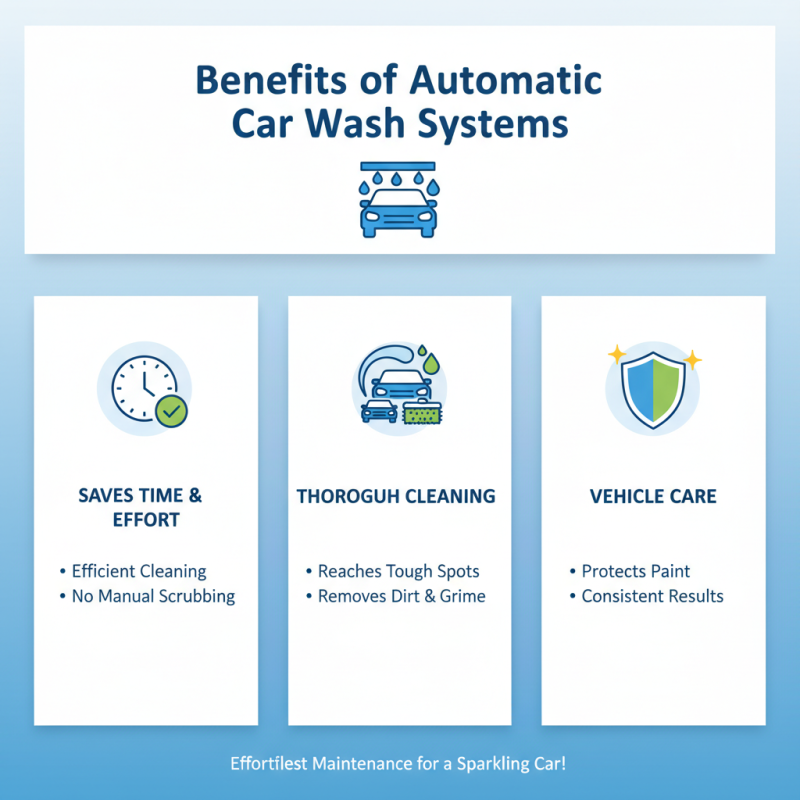
Automatic car wash systems provide numerous benefits for vehicle maintenance. These systems can efficiently clean your car, saving time and effort. One of the key advantages is their ability to reach difficult spots. High-pressure jets and rotating brushes work together to remove dirt and grime that might be missed during hand-washing.
Using an automatic wash system also helps protect your vehicle's finish. Many systems offer wax and sealant options that enhance shine and offer protection from the elements. Regular use can prevent the build-up of contaminants, which often lead to paint damage over time. However, it's important to choose the right wash cycle; not all systems are equal in terms of gentleness.
Some people worry about the effectiveness of automatic washes. While they can be convenient, they may not always clean as thoroughly as a manual wash. In addition, improper use can lead to scratches or swirls on the car's surface. It's wise to inspect the equipment's condition before use. This ensures a better experience for your vehicle maintenance routine.