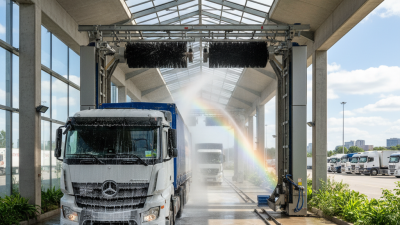
How Does an Automated Truck Wash Improve Fleet Maintenance?
Maintaining a fleet of trucks can be a complex task. Ensuring that each vehicle operates at its best is crucial for moving goods efficiently. A dirty truck can lead to unexpected repairs and decreased fuel efficiency. This is where an Automated Truck Wash comes into play.
An Automated Truck Wash offers a consistent and thorough cleaning process, saving time for fleet managers. Regular washes can prevent corrosion and dirt buildup, ultimately extending vehicle lifespan. However, the technology behind these washes is not infallible. Some fleets may find that a one-size-fits-all approach does not effectively tackle specific challenges.
It's essential to evaluate the effectiveness of an Automated Truck Wash for your fleet. While many operators notice improvements, it's not guaranteed for every situation. Observing how these systems work in practice is vital for informed decision-making. A balance of technology and human oversight remains necessary for optimal fleet maintenance.
Benefits of Automated Truck Washes for Fleet Maintenance
Automated truck washes play a crucial role in improving fleet maintenance. Regular washing of vehicles is often overlooked, yet it significantly impacts maintenance costs. A clean truck can enhance fuel efficiency by up to 10%, according to industry data. Dirt and grime accumulate over time, leading to unnecessary wear and tear on components.
Moreover, automated washes reduce labor costs and save time. Fleet operators often struggle with manual washing schedules due to manpower limitations. An automated system handles multiple vehicles simultaneously, ensuring consistency. With most fleets having an average of 20% downtime for cleaning, automated washes can drastically lower this figure.
While the initial investment may seem high, long-term benefits are clear. Maintenance teams often report fewer repair incidents related to corrosion and damage from accumulated dirt. These benefits lead to extended vehicle lifespan. Fleet managers should consider the potential for improved ROI when implementing automated truck washing solutions. Neglecting this area can lead to costly repairs and inefficiencies.
Enhancing Vehicle Longevity Through Regular Washing
Regular washing is essential for fleet maintenance. Dirt, mud, and grime can accumulate on vehicles, leading to rust and corrosion over time. Automated truck washes make this task easy. They reduce labor costs and ensure consistency in cleaning. Fleet managers see significant benefits from this process.
A clean truck improves overall efficiency. For instance, dirt buildup can impact aerodynamics, causing higher fuel consumption. Regular washes help maintain the vehicle's appearance and enhance its longevity. Additionally, a clean fleet can project a professional image to clients. However, not all washes are equal. Some may use harsh chemicals that can damage surfaces.
Considering the balance between cleaning and environmental impact is vital. A system that recycles water minimizes waste. Fleet managers must choose processes that promote both cleanliness and sustainability. Regular maintenance can also identify minor issues early. This proactive approach can prevent costly repairs down the road. Ultimately, investing in an automated wash system pays off in vehicle longevity and reduced maintenance costs.
How Does an Automated Truck Wash Improve Fleet Maintenance? - Enhancing Vehicle Longevity Through Regular Washing
| Fleet Size |
Average Wash Frequency (per month) |
Maintenance Cost Savings (%) |
Vehicle Longevity (years) |
Fuel Efficiency Improvement (%) |
| 50 |
8 |
15 |
5 |
10 |
| 100 |
10 |
20 |
6 |
12 |
| 150 |
12 |
25 |
7 |
15 |
| 200 |
15 |
30 |
8 |
20 |
Reducing Maintenance Costs with Automated Cleaning Solutions
Automated truck washes are becoming essential in fleet maintenance. They provide consistent cleaning that manual methods often lack. Regular cleaning prevents dirt and grime buildup. This not only enhances the vehicle's appearance but also safeguards crucial components. A clean truck performs better and has a longer lifespan.
Transitioning to automated cleaning solutions can significantly reduce maintenance costs. Manual washing typically requires more labor and time. This often leads to downtime, impacting productivity. Automated systems are faster and require less personnel. They can clean multiple vehicles simultaneously, saving both time and money.
Yet, reliance on automation raises concerns. Some may overlook areas that need special attention. Maintenance teams must regularly check for missed spots after washes. There’s a balance between automation and human oversight. Fleet managers must ensure that robots are cleaning appropriately. Failing to do so may lead to unexpected repair costs.
Impact on Safety and Performance of Commercial Fleets
An automated truck wash plays a vital role in enhancing the safety and performance of commercial fleets. Clean vehicles can significantly reduce the risk of accidents. According to the American Trucking Association, over 70% of truck-related accidents are linked to visibility issues caused by dirt and grime. Regular washing helps ensure that mirrors, lights, and windows are clean and functional, which is crucial for safe operations.
Fleet maintenance also benefits from automated washes. A report from the Fleet Maintenance Association indicates that a well-maintained fleet can see operational cost savings of up to 25%. Dirt accumulation can lead to corrosion and mechanical failures. Clean trucks not only look better but also can reduce long-term repair costs. This underscores the importance of investing in automated washing solutions for long-lasting vehicle health.
Tip: Schedule washes during off-peak hours to minimize downtime.
Tip: Consider implementing a regular wash schedule to keep your fleet in top condition.
Fleets that overlook routine maintenance face a higher likelihood of unplanned breakdowns. This can lead to operational delays and missed deliveries. In this light, an automated truck wash is not just about aesthetics; it is a crucial element in fleet safety and reliability.
Environmental Considerations for Automated Truck Wash Systems
Automated truck wash systems are increasingly vital for fleet maintenance. These systems not only save time and labor but also contribute significantly to environmental sustainability. The process used by automated washes often includes reclaiming and filtering water. This minimizes waste and helps conserve valuable resources. It is essential to ensure that the water used is free from harmful chemicals, preventing pollution.
Despite their benefits, automated washes must still be evaluated for their ecological impact. They can consume large amounts of water, finetuning water usage is crucial. Some systems can recycle up to 90% of the water. This reduces overall consumption and lessens the strain on local water supplies. Operators should also regularly monitor the detergents used in these systems. Eco-friendly options are available, and their use is becoming more prominent.
Improvement is always possible. Fleet operators might face challenges when integrating these systems. Costs can be a hurdle, along with maintenance of the machines. Regular assessments are necessary to ensure that the washes performed are efficient and environmentally friendly. Balancing cost-effectiveness and ecological responsibility remains a challenge in this industry. Each automated wash should consider these factors to create a sustainable fleet management strategy.