2026 Best Automated Truck Wash Solutions for Global Buyers?
The logistics industry is evolving rapidly, with technology playing a pivotal role. One significant advancement is the rise of Automated Truck Wash systems. These systems are designed to efficiently clean commercial trucks, ensuring they remain in optimal condition. As more fleets seek sustainable solutions, the demand for automated wash systems has surged.
Automated Truck Wash solutions offer numerous benefits. They reduce water usage and labor costs. However, not all systems are created equal. Some may lack the necessary effectiveness or reliability. Buyers must carefully evaluate their options to find the best fit for their needs. Understanding the nuances of different technologies is essential.
Looking ahead to 2026, global buyers will face an array of choices. The market is crowded, with new contenders emerging regularly. It's crucial to focus on efficiency and sustainability when selecting a solution. Engaging with experts in the field can provide invaluable insights. Buyers can avoid common pitfalls by staying informed and proactive in their decision-making process.
Overview of Automated Truck Wash Solutions for 2026
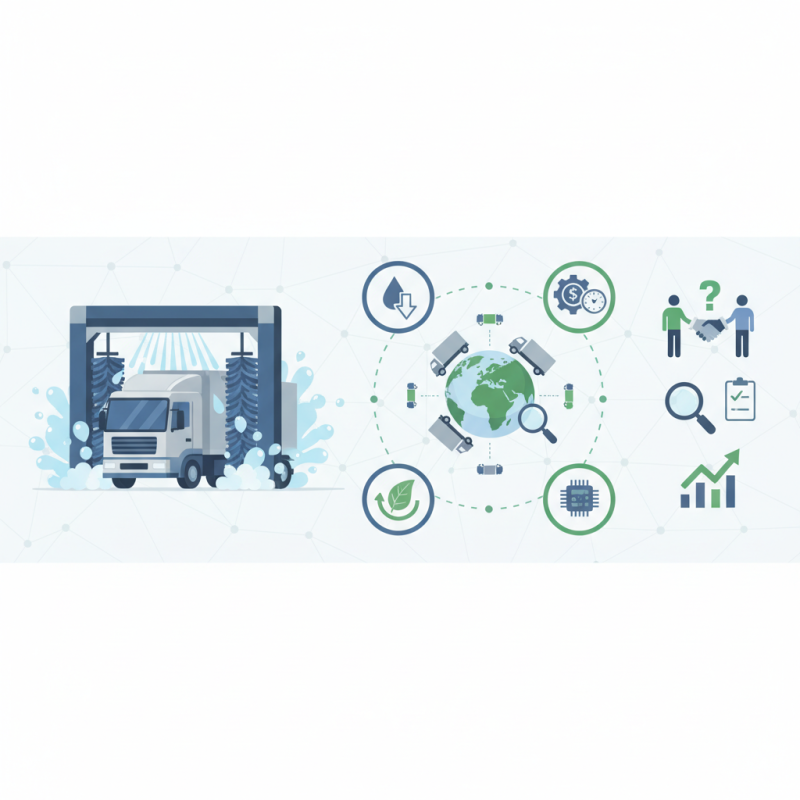
In the truck wash industry, automated solutions are rapidly evolving. As per a recent industry report, the global automated truck wash market is projected to grow by 12% annually. This growth reflects a heightened focus on efficiency and sustainability within the transport sector. Automated systems reduce water consumption by 80% compared to manual washes, appealing to environmentally conscious operators.
However, concerns over the initial investment costs remain. Many operators may hesitate to switch from traditional washes. This transition period may create operational challenges and necessitate staff retraining. A reliable automated wash system requires regular maintenance, which adds to operational complexities.
Investing in automation proves beneficial over time. As operators embrace modern technology, they often see faster wash cycles and improved fleet maintenance. Nevertheless, adopting such systems requires careful planning. Providers should conduct thorough evaluations of different technologies available. The push for eco-friendly practices alongside cost-effectiveness is paramount in ensuring long-term success.
2026 Best Automated Truck Wash Solutions for Global Buyers
| Solution Type |
Wash Capacity (Trucks/Hour) |
Water Usage (Liters/Wash) |
Cycle Time (Minutes) |
Technology Type |
Operating Cost (USD/Year) |
| Touchless System |
15 |
300 |
5 |
Chemical & Pressure |
20,000 |
| Automatic Brush Wash |
10 |
500 |
8 |
Mechanical Brushes |
30,000 |
| Hybrid Wash System |
12 |
400 |
6 |
Combination |
25,000 |
| Mobile Wash Unit |
8 |
600 |
10 |
Manual Operation |
15,000 |
| Eco-Friendly Wash System |
20 |
250 |
4 |
Biodegradable Chemicals |
18,000 |
Key Features of Efficient Truck Wash Systems
Efficient truck wash systems are crucial for maintaining fleet cleanliness and compliance. A reliable wash solution should feature high-pressure water jets that eliminate dirt quickly. Automated systems help reduce labor costs and time. They can wash multiple trucks simultaneously, increasing productivity.
Advanced wash systems incorporate soft foam technology. This feature ensures a thorough clean without damaging the truck's surface. Additionally, water recycling capabilities promote sustainability. They minimize water waste while maintaining high wash standards.
Sensors in modern systems enhance user experience. These sensors guide trucks seamlessly through the wash.
However, not all systems meet expectations. Some automated washes may struggle with heavy mud or grime. Regular maintenance is vital for optimal performance. Buyers should consider the ease of maintenance when selecting a system. Evaluating real user experiences can provide insights into potential drawbacks. A well-informed decision can lead to long-term satisfaction.
Top Manufacturers and Their Innovations in Truck Washing
As the trucking industry continues to expand, the demand for efficient truck wash solutions grows. The market is witnessing an influx of innovative technologies aimed at enhancing the cleaning process. Many manufacturers are focusing on automation to streamline operations and reduce labor costs. Automated systems can thoroughly clean vehicles in a fraction of the time compared to manual washing methods.
One significant trend is the use of eco-friendly materials in wash solutions. Manufacturers are investing in biodegradable soaps that minimize environmental impact. Some innovations allow for water recycling, ensuring that fewer resources are wasted in the washing process.
While these advancements are impressive, some users may express concerns about the effectiveness of automated systems. Can machines achieve the same level of cleanliness as a skilled human worker?
Despite technological strides, challenges remain. Maintenance of automated systems can be costly and complex. Additionally, operator training is crucial for successful implementation. Buyers must consider the long-term implications of these investments. Will the initial costs pay off in efficiency and savings? Thoughtful reflection on these aspects is essential for making informed decisions in a rapidly evolving market.
Market Trends and Consumer Preferences in Automated Truck Wash
As the demand for automated truck wash solutions grows, market trends reveal shifting consumer preferences. Businesses are looking for efficiency and reliability in their wash systems. The current focus is on eco-friendly solutions that use less water and energy. Customers also value advanced technology that simplifies the washing process. Many want systems that ensure consistent results without frequent human intervention.
Additionally, safety and convenience play crucial roles in decision-making. Buyers prefer systems that require minimal maintenance. A well-designed wash setup can improve productivity by cutting down on wash time. However, some consumers express concerns about the longevity and durability of materials used. They seek reliable equipment that can stand up to intense daily use.
In a rapidly changing market, it is essential for manufacturers to listen closely to consumer feedback. Adaptability to evolving needs is vital. Some automated washes focus too heavily on features and neglect user experience. There's room for improvement in integrating user-friendly interfaces. Addressing these concerns can ultimately lead to a more successful product that meets diverse customer expectations.
2026 Best Automated Truck Wash Solutions: Market Trends
Cost Analysis and ROI of Automated Truck Wash Solutions
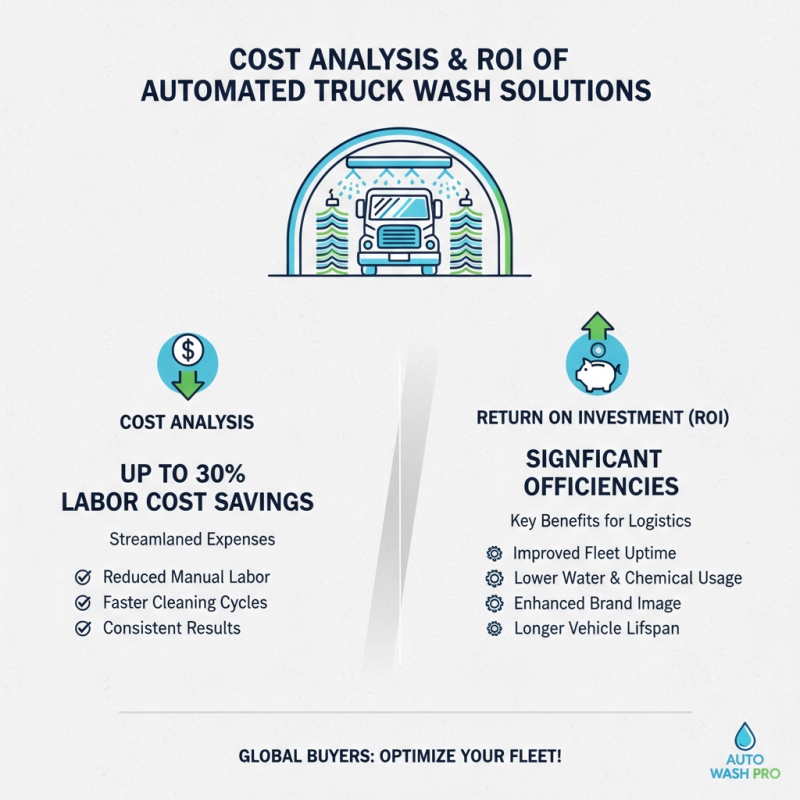
The cost analysis of automated truck wash solutions reveals intriguing insights for global buyers. Investing in these systems can lead to significant operational efficiencies. According to industry reports, businesses can save up to 30% on labor costs by utilizing automated systems. This is a compelling factor for logistics companies aiming to streamline their expenses.
ROI calculations show that the average payback period for automated truck washes is around 18 months. Maintenance costs are also crucial. While initial investments can be high, overall savings in water usage and chemical efficiencies can offset these expenses. Sourcing effective wash solutions can lead to a reduction in water usage by up to 50%, translating into lower utility bills.
However, buyers must consider the fluctuating costs associated with these systems. The technology offers new advantages but also presents challenges. As these automated systems evolve, some may find it hard to adapt to rapid changes. Keeping up with industry standards is essential for optimizing performance. Selecting the right system is not straightforward; incorrect choices may lead to unexpected expenses.