Top 5 Tips for Choosing an Automatic Semi Truck Wash System?
In the trucking industry, cleanliness is not just a matter of aesthetics; it directly impacts efficiency and longevity. Reports indicate that maintaining a clean fleet can reduce maintenance costs by up to 25%. The role of an Automatic Semi Truck Wash is critical here. It efficiently removes dirt, grime, and corrosive elements that can damage vehicles over time.
Choosing the right automatic wash system involves various considerations. Factors such as water efficiency, wash quality, and overall reliability cannot be overlooked. According to a recent industry survey, 70% of fleet operators reported improved vehicle performance after implementing automated washing solutions. However, many still struggle to identify key features that align with their operational needs.
Investing in an Automatic Semi Truck Wash is a step toward operational excellence. Yet, not all systems are created equal. Drivers and fleet managers should critically evaluate options. The correct choice can lead to cost savings and enhanced service life for the trucks. However, failure to select properly could lead to unexpected expenses and wasted resources, necessitating careful reflection on choices made.
Understanding the Importance of a Truck Wash System for Fleet Maintenance
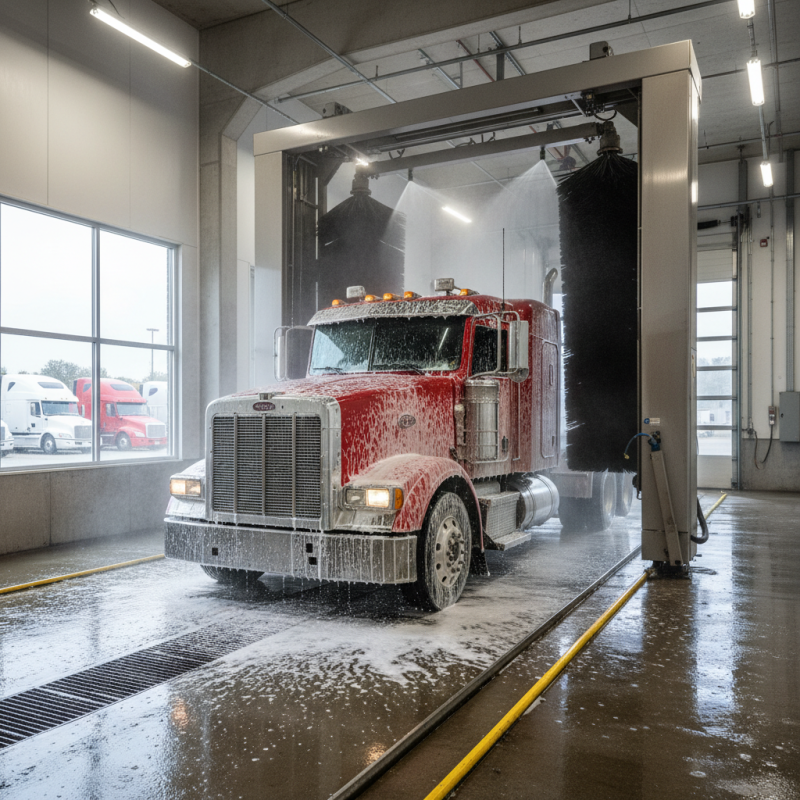
A truck wash system is vital for fleet maintenance. Regular washing extends the life of vehicles. According to a recent industry report, properly maintaining a fleet can reduce operational costs by up to 30%. Clean trucks also enhance safety. Dirt and grime can obscure critical visibility features.
Automatic semi truck wash systems offer efficiency. They save time and labor costs. A study shows that automated washes can clean a vehicle in under 10 minutes. Manual washing can take much longer and may miss spots, leading to incomplete cleaning. A reliable wash system should minimize downtime.
Attention to detail matters. Routine washes remove harmful contaminants. Salt and grime can cause corrosion. Fleet managers should consider the total cost of ownership. Balancing initial investment with long-term savings in maintenance is crucial. The choice of wash system can impact overall fleet performance. Think critically about the long-term benefits of a proper wash system.
Key Features to Consider in an Automatic Semi Truck Wash System
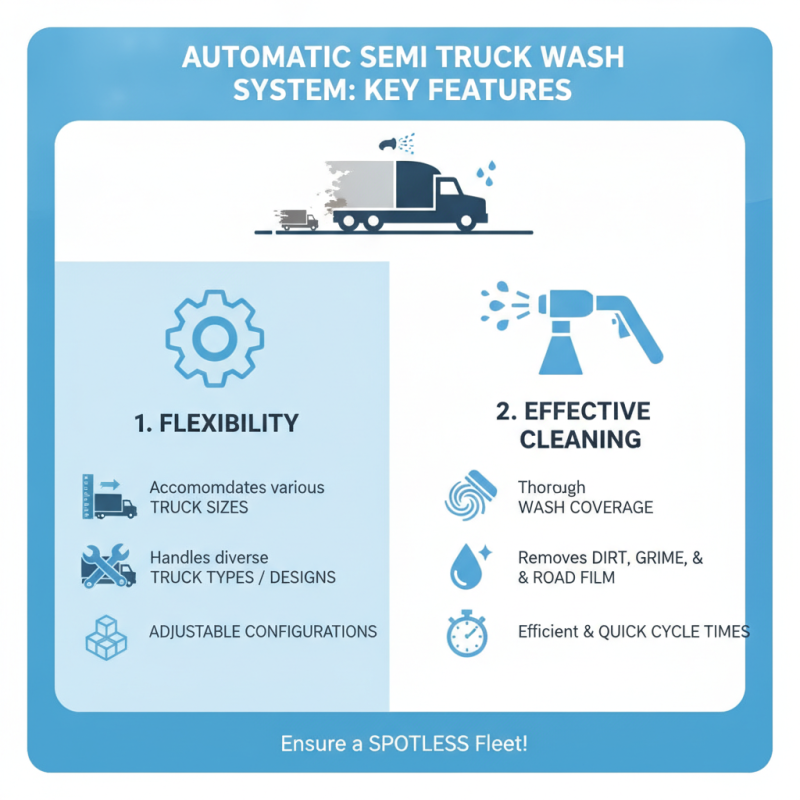
When choosing an automatic semi truck wash system, several key features should be considered. First, flexibility is essential. A good system should accommodate various truck sizes and types. Many trucks have unique designs, and a one-size-fits-all approach may not suffice. Adjustable configurations can help ensure all vehicles receive a thorough wash.
Another critical feature is the water efficiency of the system. Effective wash systems use less water while maintaining cleanliness. This not only conserves resources but also helps reduce operational costs. Look for systems with options for reclaiming and recycling water. It reflects a commitment to sustainable practices.
Moreover, consider the technology used in the wash system. Advanced sensors and automation can enhance washing efficiency. Systems equipped with programmable settings allow for customized washes, catering to specific needs. Simplicity matters, too. Complex operations can lead to frustrations during use. Easy maintenance and user-friendly interfaces are vital for ensuring long-term reliability.
While many systems boast impressive features, it is important to reflect on your specific needs. Evaluating these aspects will help you avoid costly mistakes down the road.
Evaluating Different Types of Truck Wash Systems Available on the Market
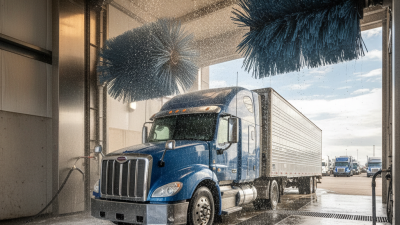
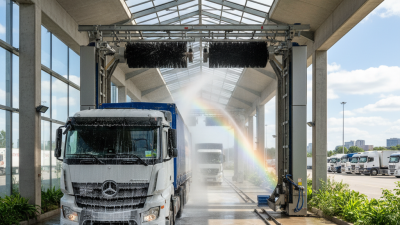
When evaluating different types of truck wash systems, it's essential to consider various factors beyond just efficiency. Automatic wash systems can vary greatly in their technology and design. Some systems utilize foam brushes, while others rely on high-pressure washing. Understanding these differences is crucial. Foam brushes can be gentler on paint but may not remove heavy dirt effectively.
Another important aspect is the water recycling capability of the system. Some washes allow for significant water savings. These eco-friendly systems can help reduce operational costs. However, ensure that the filtration systems are reliable. Poor filtration can lead to residue buildup and damage the truck's surface over time.
Speed and versatility are also key factors to consider. Some systems are designed for quick washes, while others may take longer but provide a more thorough cleaning. Assess the type of trucks you will wash too. A system that works well with one type may struggle with another. Testing different systems can reveal their true effectiveness.
It's wise to gather feedback from other users in the industry. Their insights can shed light on the long-term reliability of a wash system.
Assessing the Cost-Effectiveness of Investment in a Truck Wash System
Investing in a truck wash system can seem daunting. Understanding cost-effectiveness is crucial. The initial investment may be high, but consider long-term savings. A reliable wash system reduces labor costs and increases efficiency. Over time, these savings can offset the purchase price.
Analyze maintenance expenses as well. Some systems may require frequent repairs, adding to overhead. Look for systems with reputable warranties. Customer reviews can provide insights into the reliability of the equipment. Pay attention to how easily the system can be serviced. This can impact downtime and operational flow.
Additionally, assess the water and cleaning agents used. Eco-friendly solutions may cost more upfront, but they can attract customers who prioritize sustainability. A focus on reducing water usage can save costs in the long run. While the upfront costs can be significant, weigh them against potential revenue from a well-maintained fleet. Each decision should align with the operational goals of your trucking business.
Cost-Effectiveness of Investment in Automatic Semi Truck Wash Systems
Reading User Reviews and Testimonials for Better Decision Making
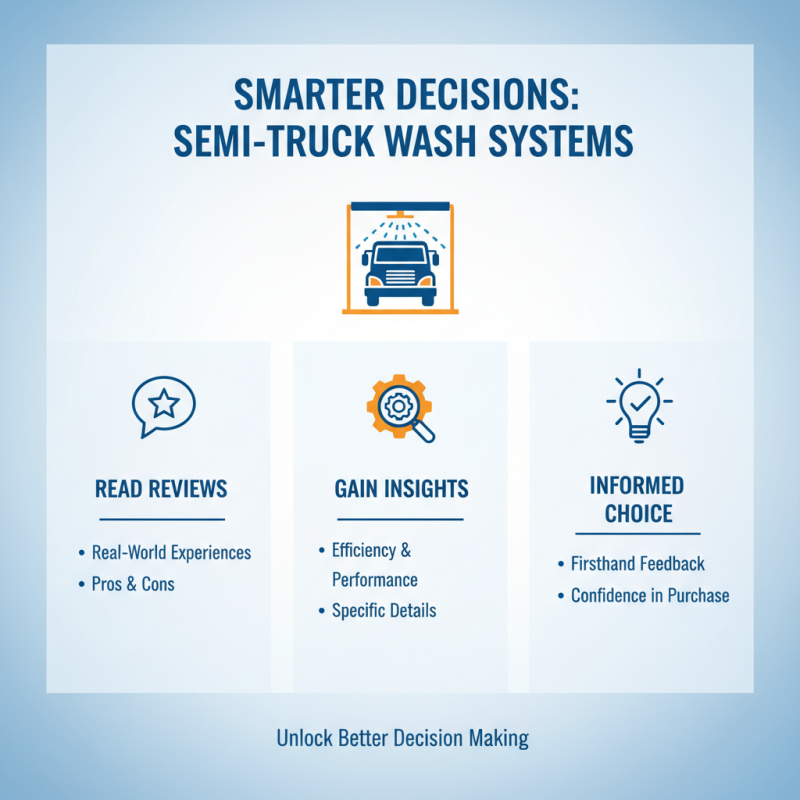
When choosing an automatic semi truck wash system, reading user reviews and testimonials is crucial. These insights often reveal real-world experiences, highlighting both pros and cons. Many users share specific details about their wash system's efficiency and performance. This firsthand feedback can guide you toward a more informed choice.
Consider what others say about the features that matter most. Are the brushes gentle yet effective? Do the drying mechanisms actually remove moisture? Some reviews express disappointment when a system fails to deliver on promised results. Others celebrate the ease of use and upkeep, noting how vital these factors are for daily operations. Personal stories resonate more than generic information.
It's important to recognize that not every review will fit your needs. A system that works for one company might fall short for another. Reflecting on various experiences helps paint a complete picture. As you read, pay attention to patterns in the reviews, good and bad. This careful analysis will empower you to choose a system that aligns well with your expectations and requirements.