Top 10 Fully Automated Car Wash Systems to Boost Your Business?
In the rapidly evolving automotive industry, the demand for a "Fully Automated Car Wash" is on the rise. James Thompson, an expert in car wash technology, once said, “Automation is not just a trend; it’s the future of car care.” This sentiment reflects the transformative power of automation in enhancing customer experience and efficiency in car washing operations.
With the growing convenience culture, customers expect quick and effective services. A fully automated system meets these demands by reducing wait times and ensuring a thorough clean. As car wash technology continues to advance, businesses must consider the latest innovations. Potential buyers should explore systems that optimize water usage and incorporate eco-friendly cleaning agents.
However, implementing such systems poses challenges. High initial costs and the need for regular maintenance can deter some operators. The importance of ensuring reliable technology cannot be overstated. After all, customer satisfaction hinges on effective performance. Investing wisely in a fully automated car wash system can significantly boost a business, but only with careful consideration and planning.
Overview of Fully Automated Car Wash Systems
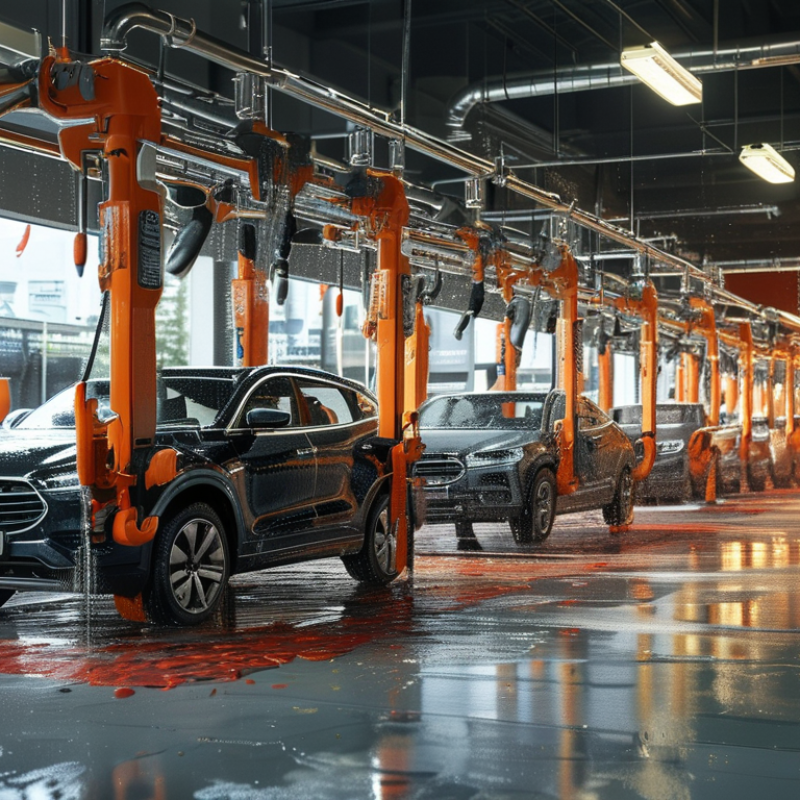
The landscape of car washing is evolving rapidly, especially with fully automated systems. These machines offer convenience and efficiency, appealing to busy customers. Industry reports indicate that automated car wash systems have grown by 20% over the past three years, reflecting a significant shift in consumer preferences. These systems not only reduce labor costs but also enhance the overall customer experience.
Automated car washes utilize advanced technology to deliver consistent results. Sensors and data analytics improve wash quality and scheduling efficiency. However, the initial investment can be daunting for some operators. A study from the International Carwash Association revealed that while automation can increase profits by 30%, owners must carefully consider maintenance and operational challenges. Many find themselves struggling with equipment malfunctions or software updates that disrupt services.
Moreover, customer acceptance of fully automated systems varies regionally. While urban areas may embrace automation, rural customers often prefer traditional hand washes. This discrepancy highlights a crucial consideration: understanding your customer base is key. Investing in automation offers promising returns, but it requires thoughtful implementation and continuous evaluation. Balancing technology and personal touch remains a challenge in this industry.
Top 10 Fully Automated Car Wash Systems to Boost Your Business
| Model |
Car Wash Type |
Washing Capacity (Cars/Hour) |
Water Usage (Gallons/Cycle) |
Investment Cost (USD) |
| Model A |
Touchless |
30 |
15 |
50,000 |
| Model B |
Soft Cloth |
40 |
20 |
75,000 |
| Model C |
Hybrid |
35 |
18 |
65,000 |
| Model D |
Tunnel |
45 |
22 |
80,000 |
| Model E |
In-Bay Automatic |
25 |
12 |
40,000 |
| Model F |
Touchless |
30 |
16 |
55,000 |
| Model G |
Soft Cloth |
50 |
24 |
90,000 |
| Model H |
Hybrid |
38 |
19 |
70,000 |
| Model I |
Tunnel |
55 |
30 |
95,000 |
| Model J |
In-Bay Automatic |
20 |
10 |
35,000 |
Key Features to Consider in an Automated Car Wash
When considering an automated car wash system, certain key features are crucial.
Speed matters. A system that washes vehicles in
under five minutes can significantly increase throughput. According to industry reports, an
efficient system can handle up to 120 cars per hour, leading to higher revenue
potential for businesses.
Water recycling is another essential aspect. Systems with
advanced recycling technology can reduce water waste by up to 80%.
This not only lowers operational costs but also aligns with environmental best practices. A focus
on sustainability can attract eco-conscious customers, boosting brand reputation.
Integration with modern payment systems is vital for user convenience. Options like
contactless payments can streamline the washing experience. Offering membership
deals through a simple app can enhance customer loyalty. However, maintenance of these systems
can pose challenges. Regular checks are necessary to ensure efficiency, which requires a skilled
workforce. Investing time to train your staff on the technology can mitigate potential breakdowns
and downtime. Balancing tech benefits with operational realities is an ongoing concern for many in
the industry.
Top Brands Offering Fully Automated Car Wash Solutions
The demand for fully automated car wash solutions continues to grow. Several brands are leading this innovation. They focus on efficiency and consistency. These systems offer a range of features that can boost customer satisfaction and improve business performance.
One key aspect is the technology involved. Advanced sensors and software enhance the washing experience. They optimize water and detergent usage. Such strategies not only benefit the environment but also reduce operational costs. However, some owners may worry about the initial investment required for these systems.
Reliability is another critical factor. Regular maintenance is essential to keep the machines running smoothly. Issues can arise without proper care, leading to service interruptions. It's important to choose brands that offer robust support and training. This way, operators can ensure a positive experience for their customers. Balancing costs with quality is crucial for success in this competitive market.
Cost Analysis and Return on Investment for Car Wash Systems
When considering the implementation of fully automated car wash systems, it's vital to assess the cost and potential returns.
Initial investments can be significant, often ranging from tens of thousands to hundreds of thousands.
You'll need to analyze equipment costs, installation fees, and any ongoing maintenance.
While the upfront costs may seem daunting, the benefits can outweigh them in the long run,
with increased efficiency and customer satisfaction.
Operating an automated system often leads to reduced labor costs.
Fewer staff members are required for daily operations.
However, there are hidden expenses, such as energy and water usage, that can add up.
It's crucial to evaluate these factors thoroughly.
Additionally, consider market demand and location. A busy area may yield faster returns,
but it still requires strategic planning and marketing to attract customers.
Another point to consider is technology upgrades.
As car wash innovations advance, older systems may face obsolescence.
Businesses must remain adaptable and prepared to reinvest periodically.
This ensures they remain competitive.
Balancing initial financial outlays
with sustained operational success involves risks and learning.
It's a journey that requires careful thought and reflection on long-term goals.
Maintenance and Support for Automated Car Wash Equipment
Maintaining automated car wash systems is crucial for operational efficiency. A well-maintained system can reduce downtime and enhance service quality. Reports suggest that regular maintenance can extend equipment life by up to 30%. This means lower replacement costs and a more reliable service for your customers.
Support for automated equipment includes training for staff. Proper training ensures that employees can identify potential issues early. It's reported that 70% of operational problems arise from user error. Investing in staff training can mitigate this. Additionally, having a maintenance schedule can help in avoiding unexpected repairs and financial losses.
It’s essential to monitor the condition of water treatment systems as well. Poor water quality can lead to ineffective cleaning and customer dissatisfaction. Regular checks can prevent this. Consider that 40% of customers report dissatisfaction if their vehicles don’t receive proper washing. Implementing a feedback loop from customers can help identify improvement areas. Addressing these issues promptly can enhance customer loyalty and profitability.