Top Car Wash Machine Equipment Trends in 2026 What to Buy?
As the car wash industry evolves, so does the technology behind car wash machine equipment. According to a recent report from IBISWorld, the car wash sector has seen a growth rate of 3.4% annually. This isn't just a statistic; it reflects a shift in consumer behavior toward convenience and quality. In 2026, investing in innovative car wash machine equipment is paramount for success.
Industry expert James Thompson, a leading figure in automotive cleaning technology, emphasizes this point: "Investing in the right equipment today sets the stage for tomorrow's profits." With advancements in automation and eco-friendly solutions on the rise, car wash operators must adapt. Choosing the right machine can improve efficiency and attract more customers.
New trends highlight the importance of integrating smart technology in car wash equipment. From touchless systems to water recycling methods, the choices are vast. However, with so many options, it can feel overwhelming. It's vital to reassess and ensure that investments align with future needs. As trends shift, understanding the market will drive better decisions in acquiring car wash machine equipment.

Emerging Technologies in Car Wash Machine Equipment by 2026
As we look towards 2026, the car wash industry is poised for significant advancement. Emerging technologies are reshaping how we approach vehicle cleaning. One notable trend is the integration of artificial intelligence and machine learning. These technologies can optimize wash cycles based on vehicle type and dirt levels, improving efficiency. Imagine a car wash that automatically adjusts its cleaning methods in real-time.
Another compelling development is the use of eco-friendly cleaning agents. Many providers are focusing on biodegradable solutions. This trend reflects growing consumer demand for sustainable practices. However, the challenge lies in ensuring that these alternatives are as effective as traditional chemical cleaners. Balancing environmental responsibility with performance requires ongoing research and innovation.
Additionally, automation will become increasingly prevalent. Self-service kiosks and automated payment systems enhance the customer experience. Yet, this reliance on technology may alienate some customers who prefer personal interaction. Car wash operators must reflect on how to maintain a human touch while embracing automation. How to adapt to this shift will define successful businesses in the coming years. The industry is at a crossroads, and the choices made today will set a precedent for the future.
Top Car Wash Machine Equipment Trends in 2026
Key Features to Look for in Modern Car Wash Machines
When looking for modern car wash machines, several key features are essential. Efficient water usage is crucial. Machines that recycle water reduce waste and lower costs. Look for models with built-in filtration systems. These systems not only save water but also ensure cleanliness.
Automatic settings can enhance user experience. Machines with sensors can adjust based on the vehicle's size and dirt level. This technology maximizes effectiveness. Additionally, consider machines with multiple wash options. A variety of cycles allows customers to choose their preferred level of cleaning.
Here’s something to ponder: while technology is impressive, over-automation may lead to issues. Sometimes, human touch can achieve what machines cannot. Users may feel a disconnect with automated systems. Balancing tech and personal service is a challenge. Keep this in mind when exploring your options for 2026.
Sustainable Practices in Car Wash Equipment Trends
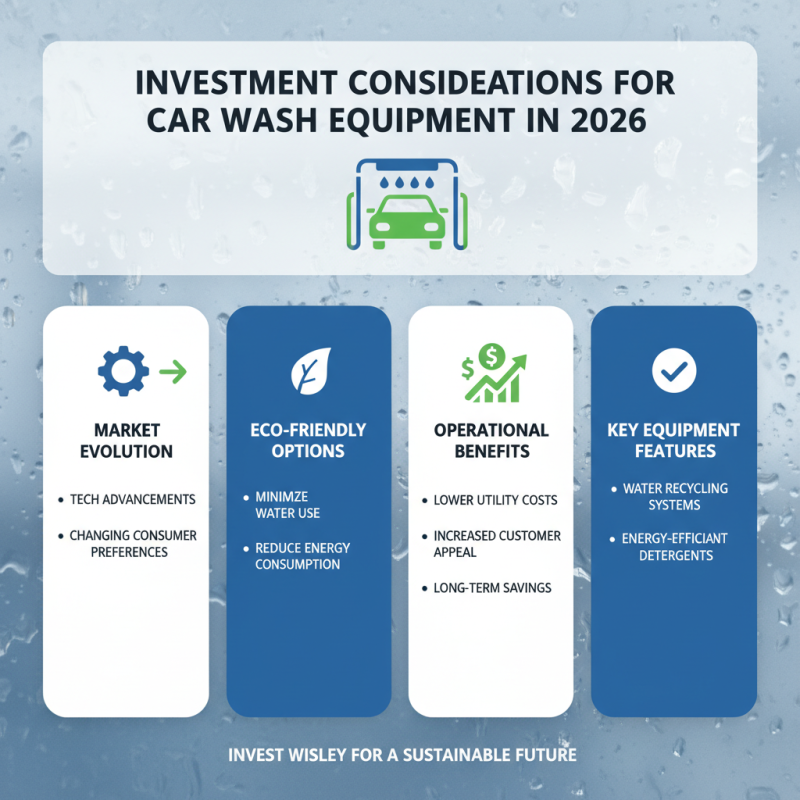
As the car wash industry evolves, sustainable practices are becoming integral to equipment trends. In 2026, these innovations focus on minimizing environmental impact. Advanced technology enables water recycling and energy-efficient systems. The goal is clear: reduce waste while maintaining high cleaning standards.
Investing in eco-friendly materials is crucial. Many operators now seek to use biodegradable soaps and reclaim systems. These practices not only promote sustainability but also attract eco-conscious customers. Adopting solar panels for energy needs is gaining attention. Yet, implementing these systems can be complex and costly.
Despite the advantages, challenges exist. Some businesses struggle with the upfront costs of green equipment. Transitioning can be a daunting task. Operators must evaluate their current processes and analyze potential savings. It's essential to weigh short-term investments against long-term gains. Sustainable practices require commitment, but they also present opportunities for growth.
Top Car Wash Machine Equipment Trends in 2026 What to Buy? - Sustainable Practices in Car Wash Equipment Trends
| Trend |
Description |
Sustainability Aspect |
Expected Adoption Rate |
| Water Recycling Systems |
Advanced systems that recycle water used in the car wash process to reduce water consumption. |
Minimizes water waste and conserves freshwater resources. |
75% |
| Biodegradable Chemicals |
Use of environmentally friendly cleaning agents that break down naturally. |
Reduces harmful runoff and environmental impact. |
65% |
| Solar-Powered Equipment |
Equipment that utilizes solar energy to power washing machines and other operations. |
Decreases reliance on non-renewable energy sources. |
50% |
| Smart Technology Integration |
Automation and IoT applications to optimize water usage and maintain equipment. |
Enhances efficiency and reduces waste through smart monitoring. |
70% |
| Touchless Washing Systems |
Washing systems that use high-pressure jets instead of brushes. |
Reduces physical wear on vehicles and saves water. |
80% |
Comparative Analysis of Leading Car Wash Brands and Models
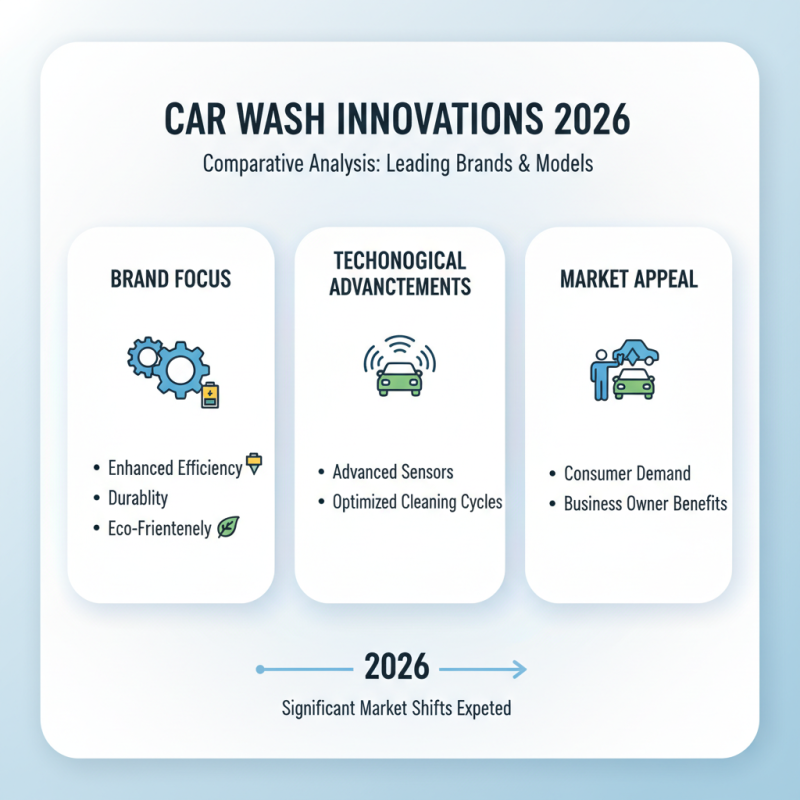
In 2026, the car wash equipment landscape will experience significant shifts. Several leading brands are focusing on enhancing efficiency. This trend emphasizes durability and eco-friendliness, appealing to both consumers and business owners. Machines are now equipped with advanced sensors. These components assess vehicle conditions to optimize cleaning.
A comparative analysis reveals diverse models catering to various needs. Some machines excel in speed, finishing a wash in minutes. Others prioritize thoroughness, employing multiple cleaning processes. As businesses evaluate options, cost-effectiveness becomes crucial. It’s vital to weigh initial expenses against long-term savings.
However, not all innovations meet expectations. Some machines may overpromise while underdelivering. Businesses should carefully assess claims versus real-world performance. Reviews and user feedback can provide invaluable insights. Choosing the right model requires balancing technology and practicality. Mistakes can lead to costly decisions. Thus, thorough research remains essential in this evolving market.