Best Car Wash Machine For Business in 2026 What to Choose?
In 2026, the car wash industry continues to thrive, with total revenue projected to exceed $14 billion in the United States alone. As the demand for convenient and efficient car cleaning services grows, selecting the right Car Wash Machine For Business becomes critical. A professional-grade machine can enhance service efficiency and customer satisfaction.
The latest reports indicate that automatic car wash systems have seen a 15% growth annually. This growth highlights the shift toward automated services, which not only save time but also increase potential profits. However, choosing the best machine can be challenging. Entrepreneurs face various options, from touchless models to traditional systems. Each type offers distinct advantages and potential drawbacks that must be weighed.
Investing in a quality car wash machine requires careful consideration of factors like performance, durability, and operational costs. Not all machines provide the same reliability or return on investment. Thus, thorough research and expert insights are vital for making an informed decision. A mismatched choice could lead to wasted resources and lower customer satisfaction.
Key Factors to Consider When Choosing a Car Wash Machine
Choosing the right car wash machine for your business in 2026 is crucial. Several key factors deserve your attention. First, consider the types of services you plan to offer. If you're targeting a high-end clientele, a gentle touch and quality are essential. That’s where foam and soft-touch systems shine.
Energy efficiency is another important factor. Many modern machines are designed to minimize water and power usage. Look for models with advanced technology to lower operational costs. Maintenance is also vital. Machines with straightforward designs tend to break down less and are easier to service. This can save you time and money in the long run.
Customer engagement is essential in this industry. An inviting and user-friendly interface makes a positive impression. Features like touchless options or quick wash cycles could attract more customers. Reflecting on these aspects can lead to better decisions. You might even rethink your initial offerings based on what appeals most to your target market.
Best Car Wash Machine Ratings in 2026
Types of Car Wash Machines Available for Business Use
Choosing the right car wash machine is crucial for success. Various types of machines cater to business needs. Understanding these can streamline operations and meet customer expectations.
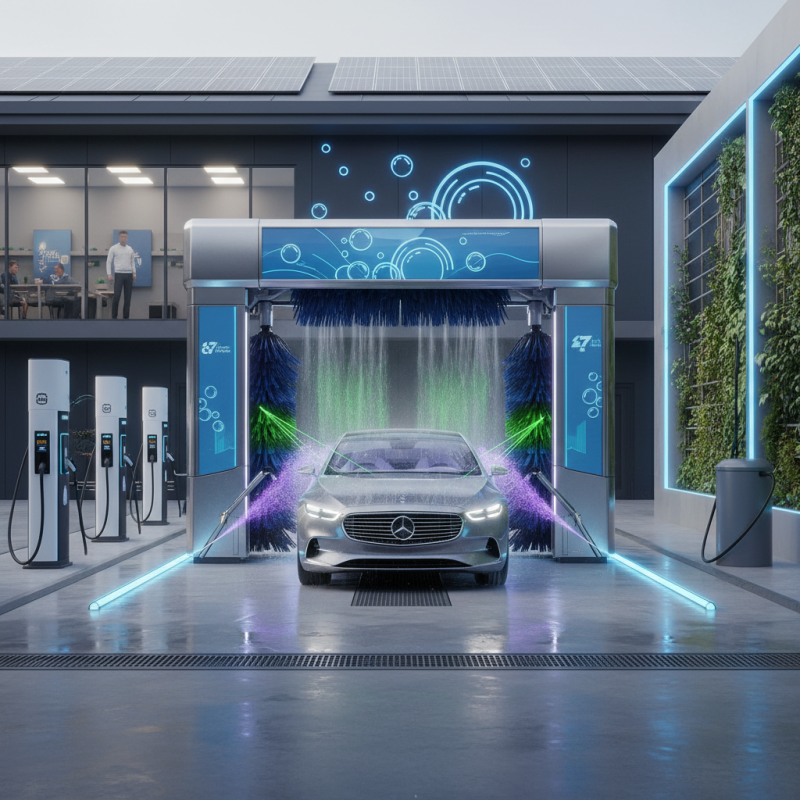
Automatic car wash systems are popular. They efficiently clean vehicles in a short time. These machines offer high-pressure water jets and rotating brushes. They reduce labor costs while enhancing customer satisfaction. A downside might be the initial investment cost. Businesses should weigh the pros and cons carefully.
Self-serve car wash setups are another option. Customers enjoy the flexibility to wash their cars at their own pace. These machines require minimal staff presence. However, maintenance can be a challenge. It’s essential to keep the equipment in good condition to ensure reliability.
Tips: Regular maintenance is vital for longevity. Monitor usage patterns to identify peak hours. Consider customer feedback to improve service. Ensuring fast and reliable service can help retain clients. Ultimately, choose a machine that aligns with business goals.
Best Car Wash Machine For Business in 2026 What to Choose? - Types of Car Wash Machines Available for Business Use
| Type of Car Wash Machine |
Features |
Cost Range ($) |
Ideal for |
Maintenance Frequency |
| Automatic Tunnel Wash |
Fast, thorough cleaning with minimal labor |
50,000 - 200,000 |
High traffic locations |
Monthly |
| Self-Service Car Wash |
Flexible user operation, lower overhead |
10,000 - 50,000 |
Low to medium traffic locations |
Quarterly |
| Touchless Car Wash |
Uses high-pressure water jets, less surface contact |
20,000 - 80,000 |
Mid to high-end vehicle market |
Bi-annually |
| Portable Car Wash Units |
Mobile cleaning, great for remote locations |
5,000 - 30,000 |
Mobile services |
As needed |
| Hybrid Wash Systems |
Combines touchless and traditional washing methods |
30,000 - 120,000 |
Versatile for various customer needs |
Monthly |
Top Brands and Models of Car Wash Machines in 2026
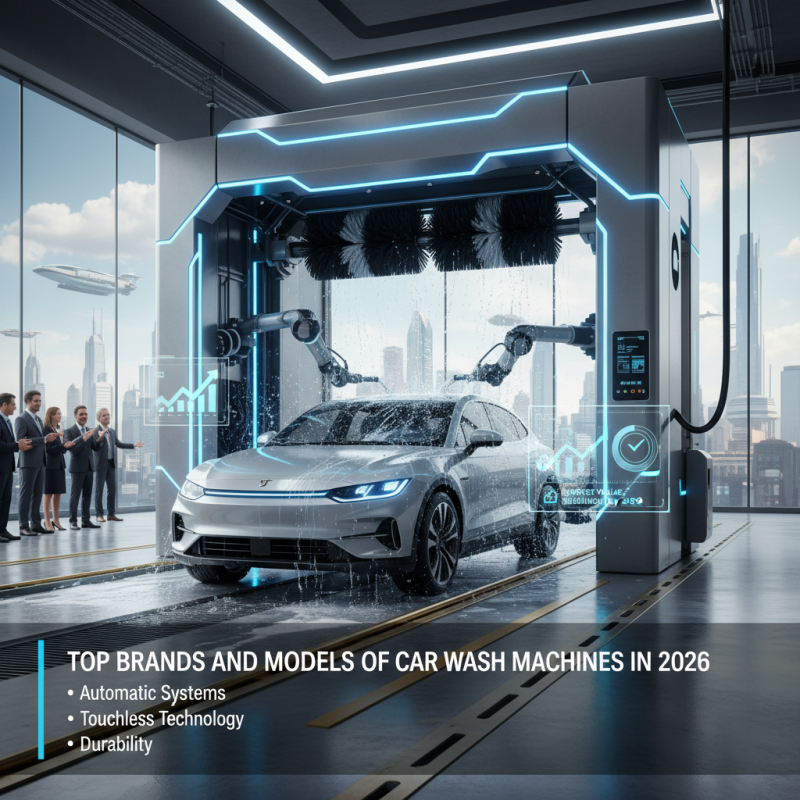
In 2026, the car wash machine market is expected to expand significantly, driven by the increasing demand for convenience and quality. Professionals suggest that automatic systems and touchless technology are gaining traction. A report from industry analysts indicates that the market could reach a value of $2 billion by 2026. This growth highlights the need for businesses to select machines wisely based on efficiency and durability.
Major brands are releasing innovative models focused on user experience and operational performance. Features such as high-pressure cleaning and eco-friendly options are becoming standard. Data shows that machines equipped with advanced sensors can reduce water usage by up to 30%. However, not all machines deliver as promised. Business owners should research and evaluate customer feedback before making a purchase.
Investing in reliable, top-performing models is crucial. Many operators report mixed experiences, particularly with machines lacking adequate service support. Some businesses faced unexpected downtime due to maintenance issues. Such challenges emphasize the importance of thorough research. Balancing cost and performance is vital for achieving long-term success in the car wash industry.
Cost Analysis: Investment and Operating Expenses for Car Wash Machines
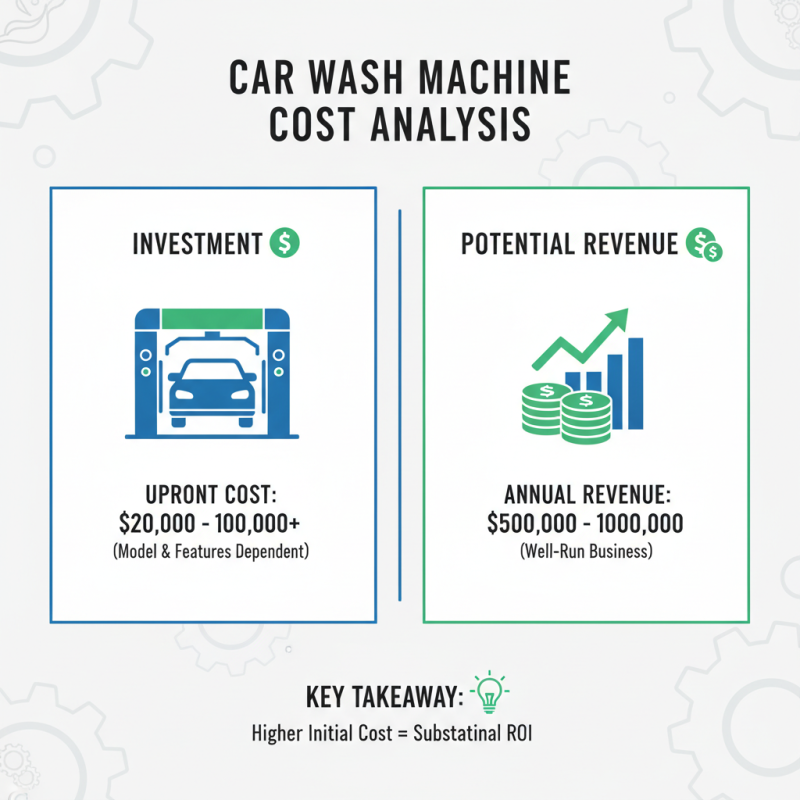
Investing in a car wash machine is a critical decision for businesses in the automotive service industry. Understanding the cost analysis is essential. The upfront investment for high-quality car wash machines can range significantly, from $20,000 to over $100,000, depending on the model and features. While higher initial costs may seem daunting, the return on investment can be substantial. Industry reports indicate that a well-run car wash can yield annual revenues between $500,000 to $1 million.
Operating expenses also play a vital role in overall profitability. Maintenance costs typically account for 5% to 10% of total revenue per year. Water usage, which can be a significant ongoing expense, should not be overlooked. Estimates suggest that an automatic car wash uses around 30 gallons of water per vehicle, making efficient water management crucial. Chemical costs are another factor—using high-quality cleaning solutions can enhance service quality but often drives up expenses.
Despite the potential for revenue, some businesses struggle with initial profitability. A thorough market analysis can help mitigate risks. Another often overlooked aspect is staffing. Hiring skilled workers involves additional wage expenses but can lead to higher customer satisfaction and repeat business. Understanding these factors is essential to navigate the investment landscape of the car wash industry effectively.
Future Trends in Car Wash Technology and Machine Features
In the evolving landscape of car wash technology, several trends are shaping the future of machines designed for businesses. As reported by the International Carwash Association, the industry is projected to grow at a compound annual growth rate of 4.5% through 2026. This growth is driven by advancements in automation and eco-friendly solutions. Businesses are increasingly adopting touchless car wash systems that minimize damage while improving efficiency.
Data highlighting customer preferences shows a rising demand for water-efficient machines. In fact, a recent study suggests that over 80% of consumers prioritize water conservation. New technologies allow machines to recycle and reduce water usage by up to 70%. However, the challenge lies in balancing water savings with cleaning effectiveness. Some machines still struggle to achieve optimal cleanliness without excessive water use.
Moreover, the integration of smart technology is paving the way for more reliable operations. Remote monitoring systems can alert owners about maintenance needs, enhancing operational reliability. Yet, the cost of these advanced features can be a barrier for some businesses. Each advantage comes with its own set of challenges that operators must navigate carefully. The journey toward creating the best car wash experience continues to be a work in progress.