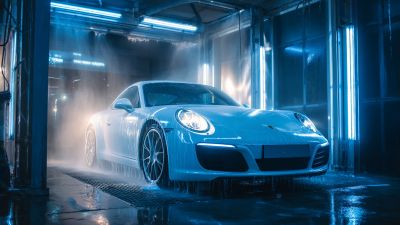
What Is an Automated Car Wash System?
What Is an Automated Car Wash System? It is a coordinated set of machines, controls, and safety features that cleans vehicles with limited manual handling. A vehicle enters a marked lane or wash bay. Sensors detect its position, while a controller manages equipment such as brushes, spray arches, conveyors, and dryers. The exact layout depends on the wash format and site.
Quality-management expert W. Edwards Deming offered a principle that fits the subject: “A bad system will beat a good person every time.” His words are not specific to car washing, but they highlight why reliable design matters. In Automated Car Wash Systems, clear control logic helps coordinate water pressure, chemical application, vehicle movement, and emergency stops. Operators still inspect equipment, replenish supplies, and respond to faults. Automation reduces repetitive tasks; it does not remove the need for care.
Water flows. Sensors respond. A conveyor moves at a controlled pace, and dryers push air across wet panels as the vehicle exits. These details make the process visible, but performance also depends on maintenance, site conditions, and correct settings. A worn brush or blocked nozzle can affect results. No system cleans perfectly in every situation. That caveat matters. The following outline explains core components, common system types, operating stages, and practical selection factors, while keeping claims grounded in how equipment works rather than promising a flawless wash.
Definition and Purpose of an Automated Car Wash System
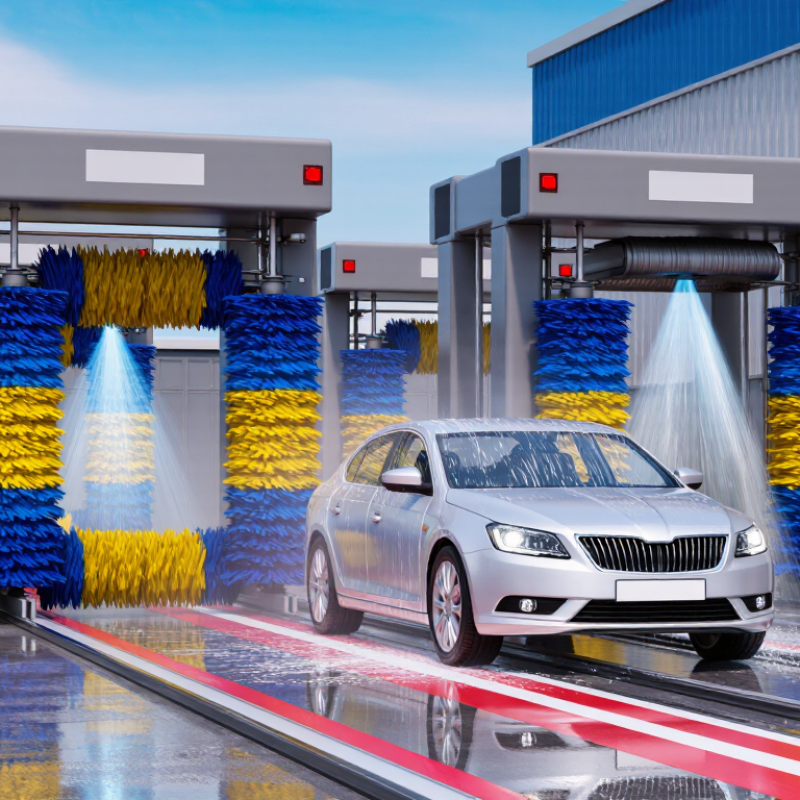
An automated car wash system cleans vehicles through a coordinated sequence of mechanical equipment, water, and cleaning agents. Depending on its design, the vehicle moves on a conveyor or stays in place while arches and brushes travel around it. Sensors help detect its position and shape. Pumps, nozzles, and dryers then deliver timed stages of washing and rinsing. The purpose is consistent cleaning with less manual work and predictable cycle times. A driver may notice the sequence in minutes: pre-soak, high-pressure rinse, soft cloth contact, then warm air. The details vary.
Water management is another purpose. International Carwash Association water-use research puts fresh-water use at roughly 30–45 gallons per vehicle for many professional wash formats; actual use depends on equipment and reclaim systems. The association’s comparisons also show that washing at home with a running hose can use substantially more water. EPA’s WaterSense at Work guidance likewise recommends tracking vehicle-wash water use and considering reclaimed water. These figures need context. A small vehicle, a long wash package, or poor equipment maintenance can change the result. The boundary is not neat. An automated system can improve repeatability, but it does not guarantee a perfect clean or low water use without proper setup and upkeep.
Main Components and Their Functions
An automated car wash system coordinates water, cleaning agents, moving equipment, and safety controls. Its controller sets the wash sequence and adjusts timing as a vehicle passes through. At the entrance, sensors detect the car’s position and help prevent equipment from starting too early. Small alignment errors can still affect the cycle.
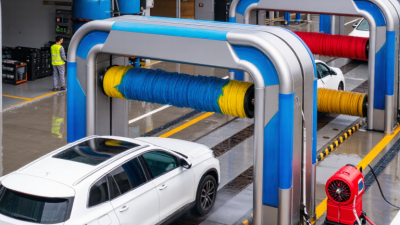
The wash arch directs water and detergent across the vehicle. Rotating brushes or soft cloth strips loosen road grime from painted surfaces, while high-pressure nozzles reach lower panels and wheel areas. Chemical dosing pumps meter soap and rinse agents into the water supply; incorrect dosing may leave streaks or residue. Water pumps maintain flow, and screens catch debris before it reaches nozzles. Some systems also filter and reuse rinse water, though filter condition affects performance.
After washing, blower motors push air over the body to reduce remaining droplets. Safety interlocks stop moving parts if a sensor detects an obstruction or equipment fault. Operators check brush wear, nozzle spray patterns, filters, and emergency stops as part of routine maintenance. A clogged nozzle can create an uneven rinse, even when the rest of the system seems normal.
How the Automated Washing Process Works
An automated car wash moves the vehicle through a controlled sequence: pre-rinse, detergent application, brushing or high-pressure cleaning, rinse, and drying. Sensors or guides help position the car, while timed pumps and moving equipment keep each stage consistent. The pre-rinse loosens grit before contact, which can reduce the chance of dragging dirt across paint. Still, a dirty brush can leave fine marks. Equipment maintenance matters.
Water use depends on the wash type and whether water is reclaimed. The International Carwash Association’s 2018 Water Use and Conservation Study reported that conveyor washes used about 34 gallons of fresh water per vehicle on average. Reclaim systems filter and reuse some wash water, often for early stages such as the initial rinse. The final rinse typically uses cleaner water to limit spots. Details matter here: recycled water is not simply “dirty water” sent back unchanged; filtration and treatment affect its quality. A wash cycle may look effortless from the driver’s seat, but its results depend on calibrated nozzles, detergent dosing, and regular checks of brushes and filters. Small errors show.
Common Types of Automated Car Wash Systems
Automated car wash systems generally fall into two layouts: tunnel washes and in-bay automatics.
In a tunnel, a conveyor moves the vehicle past separate washing stages. Rotating brushes, rinse arches, and dryers may each handle a specific task. The process suits steady traffic, but drivers need to follow conveyor instructions and keep the vehicle aligned. Small mistakes can interrupt the line.
An in-bay automatic wash cleans a stationary vehicle while equipment moves around it.
Many versions use soft cloth or foam brushes to loosen road film. They can be practical for smaller sites with limited space. A touchless system uses high-pressure water and cleaning solution instead of contacting the paint with brushes. It avoids brush contact, though stubborn dirt may remain if the vehicle is heavily soiled or the cycle is short. Results vary.
Some facilities combine methods, using targeted sprays alongside gentle cloth contact. The best fit depends on vehicle volume, available space, water handling, and local climate. For example, winter road salt may require careful underbody rinsing, while long queues favor faster cycle times. Check how a site maintains its brushes and filters, too. Details matter. A spotless-looking machine does not prove every component is clean, and I would not assume every wash treats every vehicle equally.
Benefits, Limitations, and Maintenance Considerations
An automated car wash system moves a vehicle through a controlled sequence of presoak, washing, rinsing, and drying. Its main benefits are speed, consistent coverage, and reduced exposure to outdoor weather. The International Carwash Association’s water-use guidance places many automatic washes around 30–45 gallons of fresh water per vehicle, while washing at home with a running hose can exceed 100 gallons. Actual use varies with equipment and water-reclaim settings. The savings are not automatic.
Limitations show up in the details. A fixed wash cycle may miss stubborn mud around wheel wells, and brushes can carry grit if they are not cleaned. Some vehicles also have accessories or finishes that require extra care. Operators should check the vehicle manufacturer’s washing guidance, especially for loose trim or roof-mounted equipment. A fast wash is not always a thorough one.
Maintenance keeps performance predictable. Inspect spray nozzles for clogs, confirm sensors detect vehicle position, and clean filters before pressure drops. Test reclaim-water filtration and monitor water quality; sediment can leave spots or wear pumps. Check brush material for trapped debris, and calibrate chemical dosing rather than simply adding more soap. The U.S. Environmental Protection Agency’s WaterSense at Work guide identifies vehicle washing as an area where water-efficient equipment and operating practices matter. Still, maintenance logs can miss small problems. A quick walk-through during operation may reveal a weak rinse or uneven spray before customers do.
What Is an Automated Car Wash System? Benefits, Limitations, and Maintenance
Automated car washes use equipment such as pumps, brushes, conveyors, and sensors to clean vehicles with limited manual effort. They offer speed and consistency, but equipment wear, downtime, and vehicle or system compatibility can be limitations.
Example preventive-maintenance planning intervals, not universal requirements. Actual schedules depend on the equipment and operating conditions; follow the system manufacturer's maintenance manual.