Top 10 Automated Truck Wash Systems You Should Know About?
In today's fast-paced logistics environment, maintaining cleanliness is crucial for commercial trucks. An automated truck wash ensures efficiency and effectiveness, reducing labor costs and saving time. These systems provide a consistent cleaning standard that manual washes often cannot match.
Automated truck wash solutions cater to various needs, offering options such as touchless washes and brush systems. Each type has distinct advantages, but not every system is perfect. Some may struggle with certain truck designs or higher volumes. Selecting the right system can prove challenging and requires careful consideration.
Investing in an automated truck wash not only enhances truck longevity but can also improve company image. However, not all systems may meet your expectations. It’s essential to research and analyze the available options before making a purchase. Understanding your specific needs will help you choose the most suitable automated truck wash for your fleet.
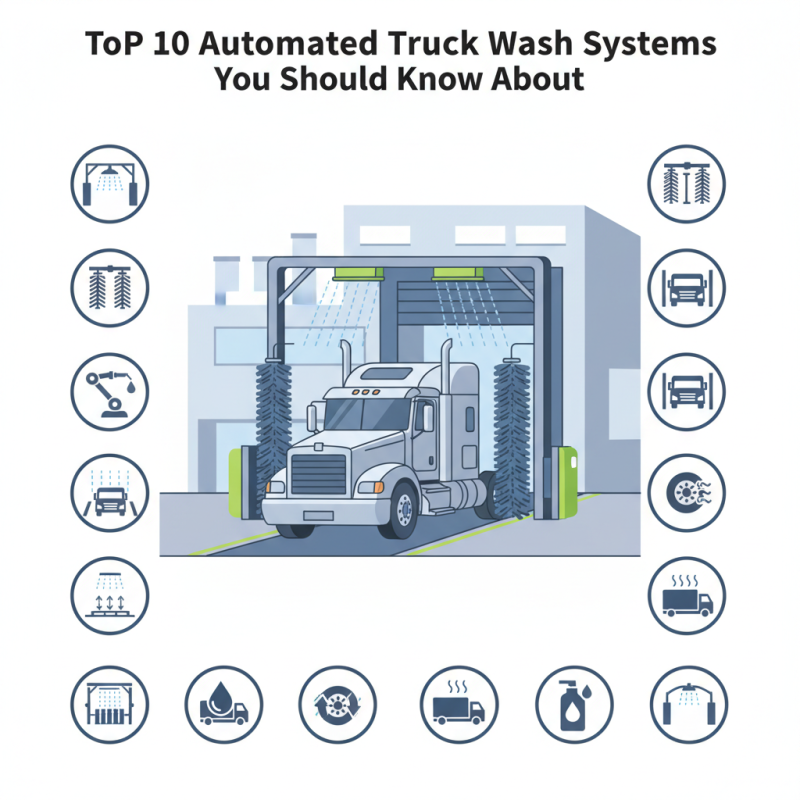
Overview of Automated Truck Wash Systems
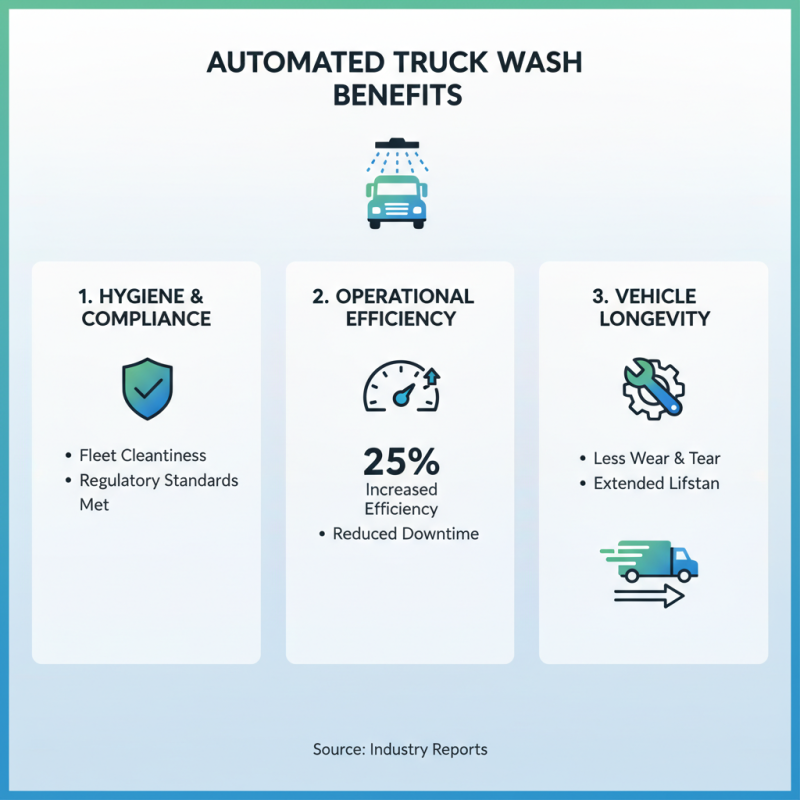
Automated truck wash systems are evolving rapidly. These systems play a crucial role in maintaining fleet hygiene and compliance. Data from industry reports show that a clean fleet can improve operational efficiency by up to 25%. Moreover, regular washing can help reduce wear and tear, extending vehicle lifespan significantly.
Automated systems can wash multiple vehicles in a short time. They can handle various truck sizes and types efficiently. Most systems feature high-pressure sprayers and advanced scrubbing technology. This combination ensures thorough cleaning without the need for extensive manual labor. However, improper use can lead to equipment malfunctions. Regular maintenance checks are vital to avoid breakdowns.
**Tip:** Schedule routine maintenance for your wash systems. Check water pressure and inspect sprayers to optimize performance. This proactive approach can save costs in the long run.
Another point to reflect on is water usage. While automated systems typically use less water than manual washes, some models can be inefficient. Always look for systems that recycle water to minimize environmental impact.
**Tip:** Consider implementing a water recycling system. It reduces waste and promotes sustainability. Such an investment can create a positive image for your fleet.
Key Features of Popular Automated Truck Wash Systems
Automated truck wash systems are becoming essential in the logistics industry. With nearly 80% of freight being transported by trucks in the U.S. alone, maintaining cleanliness is vital. A study revealed that clean trucks can improve fuel efficiency by up to 10%. This efficiency gains are crucial in reducing operational costs for fleet owners.
These systems are designed with key features that enhance their effectiveness. High-pressure jet nozzles ensure thorough cleaning. Many systems include advanced foam applications that break down grime. Some units are equipped with drying features, minimizing downtime for drivers. Surprisingly, some operators find that while the upfront costs are significant, the long-term savings on maintenance can be substantial.
However, not all systems are created equal. Some may not handle larger trucks well, leading to inefficiencies. Additionally, programming and calibration can be complex, posing challenges. User experience reports indicate that improper settings can result in less than ideal washing results. Operators should continually assess performance and user feedback to ensure they meet the evolving needs of their fleets.
Benefits of Using Automated Truck Wash Systems
Automated truck wash systems offer numerous benefits that can enhance fleet maintenance. These systems are designed to clean large vehicles efficiently and effectively. Reducing manual labor is one of their greatest advantages. Operators can save time and minimize labor costs. A well-maintained fleet enhances the company’s image.
Automated systems provide consistent cleaning results. They use high-pressure jets, brushes, and detergents tailored for heavy-duty vehicles. This thorough approach removes dirt and grime effectively. However, not all systems are created equal; some may miss hard-to-reach spots. Operators must be aware of these shortcomings to address them.
Another key benefit is the water conservation offered by new technologies. Many systems recycle water, reducing waste. This eco-friendly aspect appeals to companies focused on sustainability. Yet, facilities must regularly monitor water quality to prevent build-up in the recycling system. It’s essential to assess maintenance needs to maximize efficiency and effectiveness in the long run.
Comparative Analysis of Leading Brands in the Market
Automated truck wash systems are gaining traction in the trucking industry. Many factors influence the choice of system. Understanding these elements can lead to informed decisions.
While examining various brands, consider efficiency and effectiveness. Some systems are faster, while others offer a deeper clean. This trade-off may impact your operations. A fast wash saves time but may not remove all grime. Look for feedback from users to assess real-world performance.
Tips: Evaluate your budget before selecting a system. Expensive doesn’t always mean better. Also, pay attention to maintenance requirements. Regular upkeep is vital for an automated system's longevity.
Be mindful of water usage as well. Some systems conserve water better than others. This not only reduces costs but also supports environmentally friendly practices. Research available technologies and innovations to stay informed. You may find unexpected options that suit your needs.
Future Trends in Automated Truck Wash Technology
The future of automated truck wash technology is evolving rapidly. As industries prioritize sustainability, advanced wash systems are being developed to reduce water usage. A report from the American Trucking Association indicates that these systems can cut water consumption by up to 75%. This is a significant shift towards eco-friendly operations.
Another trend is the integration of AI and IoT in wash systems. These technologies enable real-time monitoring of performance and maintenance needs. For instance, predictive analytics can alert operators about potential failures before they happen. This reduces downtime and ensures trucks are always road-ready. However, many systems face challenges in adapting to diverse truck sizes and shapes, which impacts cleaning efficiency.
Data-driven solutions are on the rise. By analyzing customer feedback, companies can refine wash processes. Some automated systems still struggle with stubborn grime and build-up. Finding effective solutions remains an ongoing process. Enhanced formulas for soaps and detergents are being tested to improve results. The need for continuous improvement in wash quality cannot be overlooked.
Top 10 Automated Truck Wash Systems You Should Know About
| System Type |
Cleaning Capacity (Trucks/Hour) |
Water Consumption (Gallons) |
Technology Used |
Installation Type |
| Drive-Thru |
20 |
60 |
High Pressure Spray |
Indoor |
| Touchless Wash |
15 |
45 |
Chemical Application |
Outdoor |
| Brush Wash |
25 |
80 |
Mechanical Brushes |
Hybrid |
| Compact Unit |
10 |
30 |
Ultrasonic Cleaning |
Portable |
| Mobile Unit |
12 |
25 |
Foam Application |
Mobile |
| Automatic Arch |
18 |
50 |
Arch System |
Indoor |
| Tunnel Wash |
30 |
100 |
Multi-Stage Cleaning |
Outdoor |
| Eco-Friendly Wash |
15 |
35 |
Biodegradable Products |
Outdoor |
| Underbody Wash |
14 |
40 |
Spray Jets |
Indoor/Outdoor |
| Aeration Wash |
16 |
55 |
Aeration Technique |
Indoor |