Top 10 Automated Truck Wash Solutions for Global Buyers?
The demand for efficient cleaning solutions has led to the rise of Automated Truck Wash systems. These systems play a crucial role in maintaining fleet hygiene and enhancing the longevity of vehicles. Automated Truck Wash technology uses advanced machinery to clean trucks quickly and effectively, reducing labor costs and improving turnaround times.
As environmental awareness grows, buyers seek sustainable cleaning solutions. The market offers a variety of Automated Truck Wash options, each with unique features. Understanding these solutions helps buyers make informed decisions. The right system can improve operational efficiency and ensure compliance with hygiene standards.
Investing in an Automated Truck Wash is not without challenges. Some systems may have higher upfront costs. Buyers must weigh these costs against long-term savings and benefits. In an industry where every minute counts, choosing the right truck wash solution is critical. It’s essential to explore different technologies and their effectiveness to find the best fit for your fleet.
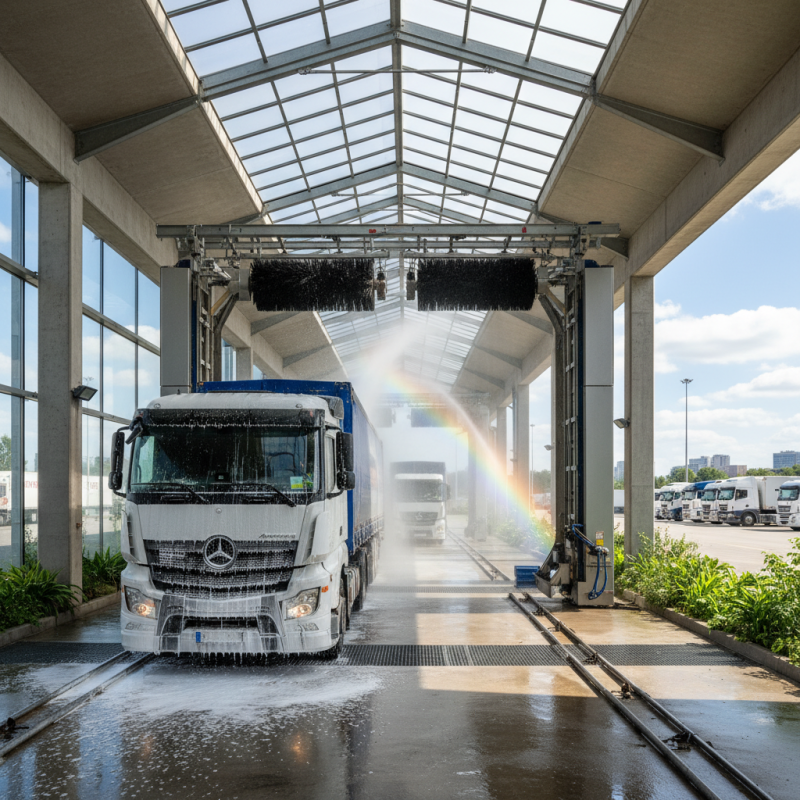
Overview of Automated Truck Wash Solutions
Automated truck wash solutions have revolutionized the logistics and transportation industry. These systems enhance efficiency, saving time and labor costs. A well-functioning automated wash can remove stubborn dirt, grime, and road salt, resulting in a cleaner fleet. Clean trucks not only look better but can also lead to improved fuel efficiency and longer vehicle life.
Despite their benefits, choosing the right automated truck wash system can be challenging. Factors like wash speed, water usage, and maintenance requirements should be evaluated. It is crucial to weigh the initial investment against long-term savings. Some solutions may have complex operations that require additional training. This can lead to slow adoption and operational hurdles.
Environmental considerations also play a significant role. Many systems now focus on water recycling to conserve resources. However, not all automated washes achieve the same level of sustainability. Buyers should delve into the specifics of each system's eco-friendliness. Ultimately, selecting the right automated truck wash solution requires thorough research and consideration of individual business needs.
Top 10 Automated Truck Wash Solutions for Global Buyers
| Rank | Solution Type | Washing Technology | Average Cycle Time | Water Consumption | Price Range (USD) |
|---|---|---|---|---|---|
| 1 | Touchless | High-pressure Spray | 5 minutes | 50 gallons | $25,000 - $40,000 |
| 2 | Brush | Soft Foam Brushes | 8 minutes | 75 gallons | $30,000 - $55,000 |
| 3 | Hybrid | Brush and Rinse | 6 minutes | 60 gallons | $35,000 - $50,000 |
| 4 | Underbody | Underbody Sprayers | 3 minutes | 30 gallons | $20,000 - $30,000 |
| 5 | Roll-over | Fixed Rollover Mount | 10 minutes | 80 gallons | $45,000 - $70,000 |
| 6 | Mobile | Portable Wash Unit | 15 minutes | 100 gallons | $15,000 - $25,000 |
| 7 | Conveyor | Conveyor Belt System | 7 minutes | 65 gallons | $50,000 - $80,000 |
| 8 | Fixed Station | Permanent Wash Bay | 10 minutes | 90 gallons | $70,000 - $100,000 |
| 9 | Tunnel | Tunnel System | 12 minutes | 110 gallons | $90,000 - $150,000 |
| 10 | Smart Wash | IoT Integration | 4 minutes | 40 gallons | $45,000 - $75,000 |
Related Posts
-
Maximizing Efficiency with Best Automatic Semi Truck Wash Through Superior After Sales Support and Cost Effective Maintenance
-
Top Strategies for Maximizing Efficiency with Best Automated Truck Wash Solutions
-
How to Choose the Best Automatic Semi Truck Wash System for Your Fleet Efficiency and Cost Savings
-
Top 10 Benefits of Automated Truck Wash Systems for Fleet Management?
-
2026 Best Automatic Semi Truck Wash Solutions Explained
-
How to Choose the Best Car Wash Machine Equipment for Your Business in 2025