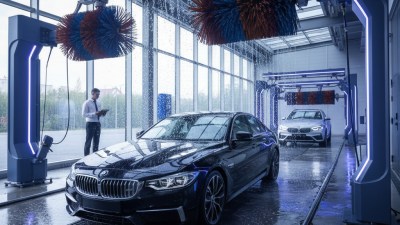
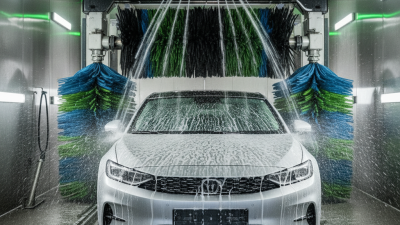
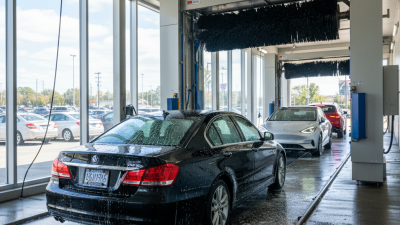
In recent years, the demand for efficient and high-quality auto car wash machines has surged globally, particularly in China. This country has emerged as a hub for manufacturing innovative waterless and automated car wash technology. Buyers worldwide seek reliable and effective solutions to enhance their car cleaning businesses.
The market offers an array of options, from compact machines for small businesses to large systems suitable for full-service car washes. However, not all machines deliver the same performance or durability. Some buyers report dissatisfaction due to equipment failures or inconsistent cleaning quality. Thus, evaluating top products based on user reviews and technical features is crucial.
As global buyers explore their options, understanding the unique specifications and functionality of these auto car wash machines becomes essential. The landscape is competitive and constantly evolving. Buyers should prioritize machines that offer reliability and effective cleaning capabilities while remaining aware of potential pitfalls. This guide seeks to highlight ten of the best options available, ensuring informed decisions for your business.

The auto car wash machine market in China is rapidly evolving. In recent years, the growth rate has surged, with the market expected to reach approximately USD 2 billion by 2025. Factors driving this growth include urbanization and rising disposable incomes. Consumers are increasingly seeking convenience, leading to a surge in demand for automated car wash solutions.
The technology behind these machines continues to advance. Many new models incorporate eco-friendly features. For instance, advanced water recycling systems reduce water usage by up to 60%. Industry reports highlight that these innovations not only save resources but also enhance cleaning efficiency. However, some machines struggle to compete in the highly saturated market. Operators must distinguish themselves through quality and customer service.
Tips: When considering an auto car wash machine, focus on durability and maintenance requirements. Read reviews and consult trusted industry sources. Staying updated on market trends is crucial. This will enable buyers to make informed decisions. Additionally, investing in energy-efficient machines can lead to cost savings in the long run.
| Rank | Machine Type | Washing Capacity (Cars/Hour) | Water Consumption (Liters/Wash) | Price (USD) | Power (kW) |
|---|---|---|---|---|---|
| 1 | High-Pressure Car Wash | 50 | 60 | 15,000 | 5 |
| 2 | Tunnel Car Wash | 80 | 100 | 30,000 | 10 |
| 3 | Touchless Car Wash | 40 | 50 | 12,000 | 4 |
| 4 | Rollover Car Wash | 30 | 70 | 20,000 | 8 |
| 5 | Self-Service Wash Bay | 20 | 30 | 5,000 | 2 |
| 6 | Foam Wash Machine | 60 | 40 | 10,500 | 3.5 |
| 7 | Mobile Car Wash | 25 | 20 | 3,000 | 1.5 |
| 8 | Waterless Car Wash | 15 | 0 | 7,500 | 1 |
| 9 | Hand Wash Station | 10 | 25 | 2,000 | 2 |
| 10 | Portable Car Wash | 20 | 15 | 4,500 | 1.2 |
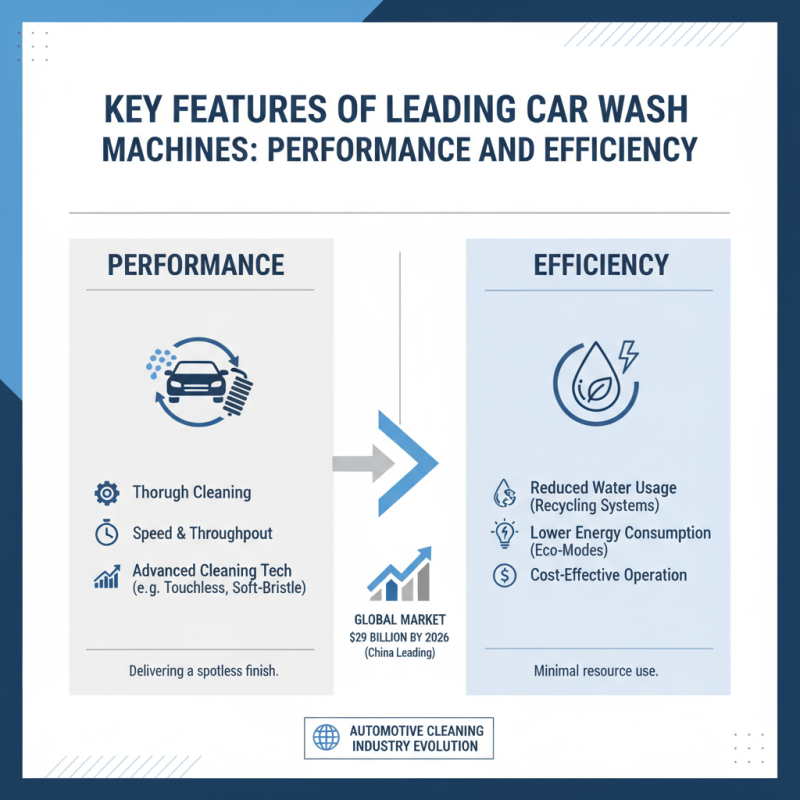
The automotive cleaning industry has seen a dramatic evolution over the years. A recent report indicates that the global car wash market is projected to reach $29 billion by 2026. This surge is largely due to the demand for efficient, high-performance car wash machines in regions like China. Efficiency is not just about speed; it’s about delivering a thorough clean with minimal water and energy usage.
Leading car wash machines now use advanced technology to maximize performance. Many systems incorporate sensors that adjust water pressure and detergent levels based on the vehicle's condition. Reports suggest that these innovations can enhance cleaning efficiency by up to 30%. Additionally, machines that recycle water are gaining traction, reducing waste and operational costs. However, not all systems are equipped to handle various vehicle sizes and types. This limitation calls for a careful assessment of machine specifications.
The importance of reliable features cannot be overstated. Users rely on consistent performance to maintain customer satisfaction. Complex systems may face challenges, such as mechanical failures and maintenance issues. Regularly receiving feedback from users can help in understanding these shortcomings. Focusing on robust design and user-friendly interfaces will be key in refining these car wash systems for diverse market needs.
When choosing car wash technology, two popular systems often come into play: touchless and foam brush. Touchless systems rely on high-pressure water jets and specialized cleaning agents. They offer convenience and eliminate the risk of scratches. However, some stains may require multiple washes for complete removal.
Foam brush systems use gentle brushes and foam to clean vehicles. These machines provide a thorough clean, especially on surfaces with heavy dirt. They excel in removing grime stuck to surfaces. Nonetheless, brushes may cause light scratches over time. Users should consider their vehicle's paint condition when opting for this method.
Both technologies have their merits and shortcomings. Proper maintenance of the chosen system is crucial. Buyers should evaluate their needs. Some places might prioritize speed, while others may value a deep clean. Understanding these nuances is essential for informed purchasing decisions.
This chart illustrates the market preference for two popular car wash technologies in China: Touchless Systems and Foam Brush Systems. As shown, Touchless Systems dominate with 68% preference among buyers, while Foam Brush Systems account for 32%.
When it comes to car wash machines, global buyers have specific priorities. A recent survey indicates that 70% of consumers seek efficiency. Time-saving features attract significant interest. Buyers are also focused on ease of use. Many prefer machines with simple interfaces.
Durability is another crucial factor. A report from the International Car Wash Association highlights that 60% of operators value long-lasting equipment. Ultimately, they want machines that can withstand daily operation. Cost-effectiveness is essential, too, as buyers prefer solutions that balance quality with price.
Environmental impact plays a rising role in decision-making. Approximately 55% of consumers prefer eco-friendly options that use less water. Reflections on product longevity indicate that some machines may require more maintenance than advertised. Thus, buyers should consider reviews for real-world performance before making a decision.
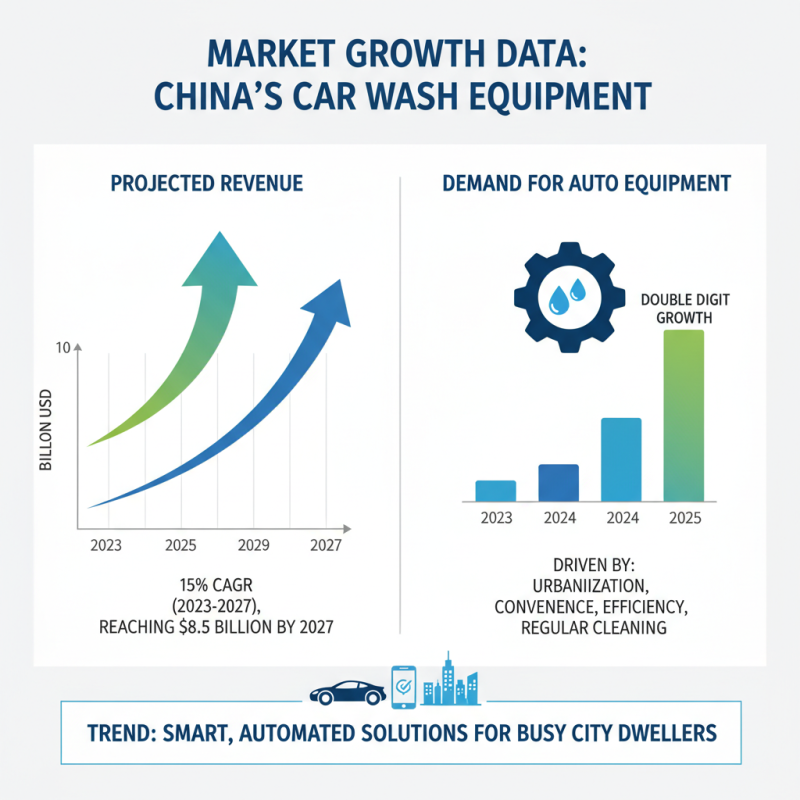
The car wash equipment market in China is witnessing impressive growth. Recent data shows that the demand for auto car wash machines is on the rise. This trend reflects a growing emphasis on convenience and efficiency in vehicle maintenance. More consumers recognize the importance of regular car cleaning. As urbanization accelerates, the market is adapting to the needs of busy city dwellers.
Revenue projections indicate a robust increase. Analysts expect significant investments in modern car wash technology. The shift toward automatic machines enhances service speed and quality. However, some users still prefer traditional methods. This highlights a gap in consumer preferences and illustrates the challenge for manufacturers. Striking a balance between traditional and automated solutions is essential.
Various factors influence market dynamics. Environmental concerns drive innovations in eco-friendly cleaning technologies. Simultaneously, economic fluctuations can impact consumer spending. Businesses must remain agile and responsive. Continuous research is crucial to address changing consumer needs. This evolving landscape presents both opportunities and challenges for industry players.