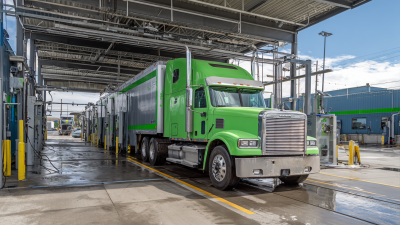
What Are the Top 10 Automatic Semi Truck Wash Systems?

What Are the Top 10 Automatic Semi Truck Wash Systems? This question matters as freight fleets become larger, busier, and more cost-sensitive. The American Trucking Associations’ Freight Transportation Forecast reports that trucks carry about 72.6% of domestic freight tonnage in the United States. That scale creates constant demand for faster, repeatable vehicle cleaning. An Automatic Semi Truck Wash can reduce manual labor, improve wash consistency, and help fleets present cleaner equipment at terminals and customer sites.

Yet speed alone does not define a strong system. The International Carwash Association identifies water efficiency, equipment reliability, and customer throughput as important issues across professional vehicle washing. EPA guidance also encourages responsible water management and proper wastewater controls. These points matter beside a busy loading dock, where mud, road salt, and diesel residue can collect around wheel assemblies within hours. A useful comparison should examine brush or touchless technology, wash-cycle time, drying performance, chemical dosing, maintenance access, and regional service support.

No ranking is perfect. Fleet size, trailer height, climate, available space, and local discharge requirements can change the best choice. Some systems advertise impressive capacity, but real performance may depend on operator training and preventive maintenance. This guide compares ten leading automatic semi truck wash systems through practical fleet needs, published specifications, industry evidence, and installation considerations. The goal is not to promote the most expensive machine. It is to identify systems that balance cleanliness, uptime, water use, safety, and long-term operating value. Expect trade-offs. That is where the decision becomes useful.
What Are the Top 10 Automatic Semi Truck Wash Systems?

What Are Automatic Semi Truck Wash Systems?

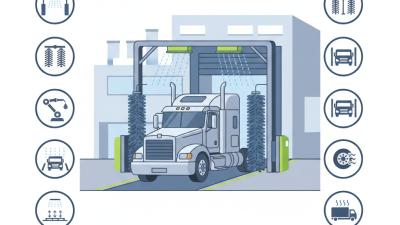
Automatic semi truck wash systems are machines designed to clean tractors and trailers with limited manual labor. They usually combine high-pressure water, rotating brushes, detergent injectors, and drying equipment. A driver positions the vehicle inside a marked bay, then sensors measure its height, length, and distance from the equipment. The wash cycle adjusts its movement around mirrors, fuel tanks, wheels, and trailer edges.

It is not magic. “Automatic” means controlled and repeatable, not completely unattended. A trained operator should inspect clearance, secure loose equipment, and select the correct wash program.

When comparing the top ten systems, fleet managers should examine cleaning consistency, cycle time, water usage, brush pressure, and maintenance access. A clear control panel matters during a busy shift. So does a visible emergency stop.

Modern systems may collect and filter used water, reducing freshwater demand and keeping the wash area cleaner. Powerful nozzles can remove road salt from wheel arches and oily dust from lower panels. However, brush systems may miss tight corners, damaged surfaces, or heavy buildup behind rear axles. The result varies. Technicians should check one vehicle after washing, especially during winter operations. Reliable records can reveal repeated weak spots, rising detergent use, or unusual equipment vibration before small problems become expensive repairs.

How to Evaluate Semi Truck Wash System Performance

When comparing the top 10 automatic semi truck wash systems, performance matters more than a polished feature list. I evaluate each system under similar conditions: the same trailer length, soil type, water temperature, and wash schedule. A credible test records cycle time, water use, chemical use, and cleaning consistency. Numbers reveal trade-offs. A fast cycle may leave road film behind. A slower system may deliver better coverage but reduce daily fleet capacity. In practice, a fleet manager should inspect door seams, wheel arches, fuel tanks, and lower frame areas after every trial. These zones expose weak spray angles quickly.

Spray pressure alone is not enough. Effective performance depends on nozzle spacing, brush contact, detergent dwell time, and vehicle positioning. I look for even coverage across the cab roof and trailer sides, without forcing water into sensitive components. Sensors should detect vehicle height and position reliably. False stops create delays; missed detection creates risk. Measure uptime across several weeks, not one demonstration. Maintenance logs should show nozzle replacement intervals, brush wear, filter cleaning, and average repair response. Ask operators how often they override automatic settings. Frequent overrides may indicate poor calibration.

Operating cost needs a practical calculation. Divide water, power, chemicals, labor, and maintenance by completed washes. Water recovery can reduce consumption, but only if filtration remains effective. Dirty recycled water can create spotting or streaks. Review wastewater handling against local requirements. Safety performance also matters: emergency stops, guarded moving parts, clear walkways, and documented training should be visible. I once underestimated winter drainage during an evaluation. The system performed well, yet freezing water caused avoidable delays.

What Are the Top 10 Automatic Semi Truck Wash Systems? - How to Evaluate Semi Truck Wash System Performance

Rank Automatic System Type Typical Wash Cycle Typical Throughput Fresh Water Use Water Pressure Cleaning Method Key Performance Strength Best Operating Environment Indicative Performance Score
1 Automatic Gantry Rollover System 8–15 minutes 4–8 trucks/hour 60–120 gal/truck 1,500–3,000 psi Moving spray arches, rotating brushes, detergent, and rinse Consistent coverage with moderate space requirements Fleet depots and dedicated wash bays 9.1/10
2 Touchless High-Pressure Drive-Through System 6–12 minutes 5–10 trucks/hour 50–100 gal/truck 2,000–4,000 psi Chemicals and multiple high-pressure spray zones No brush contact and reduced risk of surface scratching Mixed fleets with varied body designs 9.0/10
3 Automatic Brush Rollover System 7–14 minutes 4–8 trucks/hour 45–90 gal/truck 800–1,500 psi Soft rotating brushes, detergent, and controlled rinse Strong removal of road film and general dirt Regularly maintained trucks with compatible surfaces 8.8/10
4 Hybrid Touchless-and-Brush System 8–16 minutes 4–7 trucks/hour 60–130 gal/truck 1,000–3,000 psi Pre-soak, high-pressure wash, targeted brushes, and rinse Balances cleaning power with adaptable surface treatment Large commercial fleets with varied soil levels 8.7/10
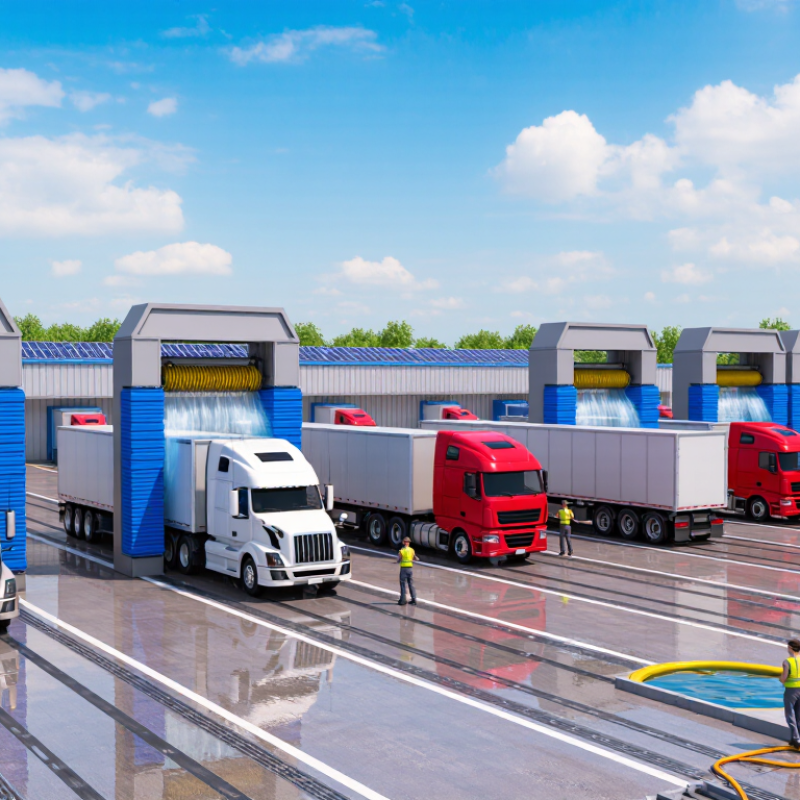
5 Multi-Bay Automatic Fleet Wash System 6–12 minutes per bay 10–24 trucks/hour 50–110 gal/truck 1,500–3,000 psi Parallel automated wash, chemical, and rinse stages Highest fleet throughput and reduced queue time Distribution centers and high-volume terminals 8.6/10
6 Automatic Undercarriage and Chassis Wash System 3–8 minutes 8–15 trucks/hour 25–60 gal/truck 1,500–3,500 psi Floor-mounted and side-mounted spray bars Effective removal of salt, mud, and debris from hidden areas Snow-belt, coastal, construction, and off-road fleets 8.5/10
7 Automatic Tractor-and-Trailer Split Wash System 10–20 minutes 3–6 trucks/hour 70–150 gal/truck 1,200–3,000 psi Separate programmed cleaning zones for cab, chassis, and trailer Better control for different vehicle sections and heights Fleets operating multiple trailer configurations 8.3/10
8 Automatic Water-Reclaim Wash System 8–16 minutes 4–8 trucks/hour 20–60 gal/truck after reclaim 1,000–3,000 psi Automated wash combined with filtration and water recycling Lower freshwater demand and improved wastewater control Water-restricted regions and environmentally regulated sites 8.2/10
9 Automatic Foam-and-Rinse Conveyor System 7–13 minutes 6–12 trucks/hour 45–100 gal/truck 1,000–2,500 psi Foam dwell time, conveyor movement, spray wash, and rinse Repeatable chemical contact and efficient vehicle movement Sites with standardized vehicle dimensions 8.0/10
10 Compact Automatic Mobile Wash System 12–25 minutes 2–5 trucks/hour 50–120 gal/truck 1,000–2,500 psi Portable spray boom, foam application, and automated rinse controls Flexible deployment with limited permanent construction Small fleets, temporary yards, and multi-site operations 7.7/10
Evaluation note: The figures above are typical engineering ranges for commercial vehicle wash systems. Actual performance depends on truck dimensions, soil type, detergent concentration, nozzle condition, water temperature, operator settings, drainage capacity, and the percentage of water recovered. The indicative score weights cleaning consistency, throughput, water efficiency, vehicle compatibility, maintenance requirements, and installation practicality.

Which Ten Automatic Systems Lead the Market?

The ten automatic semi truck wash systems leading the market serve different fleet conditions. Gantry rollover systems move around a parked truck, making them suitable for compact wash bays. Drive-through touchless systems clean vehicles while they remain in motion. Automated brush systems provide stronger contact cleaning, especially around trailers and wheel areas. High-pressure arch systems focus on fast exterior washing with controlled water jets. Recirculating water systems reduce freshwater demand through filtration and treatment. Modular wash bays allow operators to expand capacity without rebuilding the entire facility.

Undercarriage wash systems target mud, salt, and gravel beneath the chassis. Foam application systems improve chemical coverage before rinsing. Dual-lane systems help busy depots process two vehicles at once. Hybrid systems combine brushes, high-pressure jets, foam, and underbody cleaning in one cycle. In my experience, the strongest choice depends on truck height, daily volume, water limits, and local weather. A fast system may still disappoint if drying is weak or sensors miss trailer gaps. Small details matter. Operators should inspect nozzle alignment, emergency stops, drainage, and chemical dosing regularly. Rankings can change. A system that leads a regional fleet may perform poorly in a narrow facility or a cold climate. That uncertainty deserves attention before purchase.

What Are the Top 10 Automatic Semi Truck Wash Systems?

Which ten automatic system configurations lead the market by practical automation, throughput, and fleet suitability?

This benchmark compares ten widely used automatic semi-truck wash configurations. The score is a comparative index based on automation level, vehicle compatibility, wash consistency, and commercial fleet suitability; it is not a company or brand ranking. Actual performance varies with vehicle size, soil load, water pressure, brush configuration, and site layout.

How Do These Systems Compare in Features and Costs?

The top ten automatic semi truck wash systems are best compared by performance, not appearance. A useful evaluation measures wash time, water use, labor savings, and cleaning consistency. Touchless systems use high-pressure water and chemical dosing, while friction systems rely on rotating brushes. Hybrid designs combine both methods. Some units add wheel washing, undercarriage cleaning, reclaim tanks, and controlled drying. These features matter when a fleet washes mud-covered trailers every day.

Purchase costs vary widely. A basic drive-through system may cost about $40,000 to $100,000. Advanced installations can exceed $250,000 before construction and utility work. Site preparation may add another $30,000 to $150,000. Operating expenses include water, electricity, detergent, brush replacement, wastewater treatment, and routine servicing. Reclaim systems often reduce fresh water use, but their filters and pumps require regular attention. Cheaper equipment is not always cheaper to operate.

Through practical fleet assessments, uptime often matters more than maximum washing speed. A system completing one truck in eight minutes may outperform a faster unit with frequent shutdowns. Safety sensors, emergency stops, enclosed controls, and clear maintenance access should receive serious weight. Rankings remain imperfect because soil, climate, truck size, and local water prices change the result. I would request verified cycle data and several years of service records before choosing. A polished demonstration can hide inconvenient maintenance work.

What Should Fleet Operators Consider Before Choosing One?

What Are the Top 10 Automatic Semi Truck Wash Systems?

Fleet operators should compare automatic semi truck wash systems by performance, not attractive brochures. In field inspections, I look at wash speed, cleaning consistency, brush pressure, and vehicle clearance. A system must handle trailers, mirrors, fuel tanks, and uneven surfaces without damaging them. Measure the basics. Ask for documented cycle times under real fleet conditions, not ideal demonstrations.

Water use deserves close attention. A high-volume system can increase operating costs and strain local drainage capacity. Recycling equipment may reduce consumption, but filters and treatment units require regular service. Check whether recovered water leaves streaks on light-colored trailers. Operators should also review electrical needs, winter protection, chemical storage, noise levels, and emergency shutoffs. Safety sensors are essential, yet they cannot replace trained staff and clear traffic procedures.

Maintenance access often decides whether a system succeeds after installation. Inspectors should confirm parts availability, service response times, software support, and inspection records. I have seen efficient systems lose value because small sensors stayed dirty. That weakness is easy to overlook. Request references from fleets with similar vehicle sizes and daily volume. Leave room for mistakes in your forecast. A system that looks economical at 20 washes per hour may perform poorly during peak shifts, when queues grow and rushed operators skip routine checks.