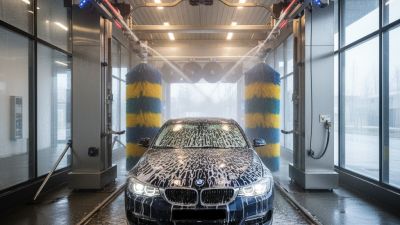
In 2026, using a Pressure Car Wash Machine effectively involves more than just pointing and spraying. Expert John Taylor, a renowned authority in car care technology, emphasizes, “It's about understanding the machine and your vehicle’s needs.” This approach can dramatically enhance the cleaning process.
Many car owners jump into washing without preparation. However, improper use can lead to damage. The wrong nozzle or pressure setting may scratch the paint or drive dirt deeper into crevices. Each car has unique features and requires a tailored cleaning method. Slow down and examine your vehicle before starting.
Furthermore, technology evolves. Some Pressure Car Wash Machines offer advanced features, making it tempting to use them without proper training. Misusing water pressure can cause harm. Reflect on this: are you knowledgeable enough about your machine? A deliberate, informed approach promotes both safety and effectiveness.
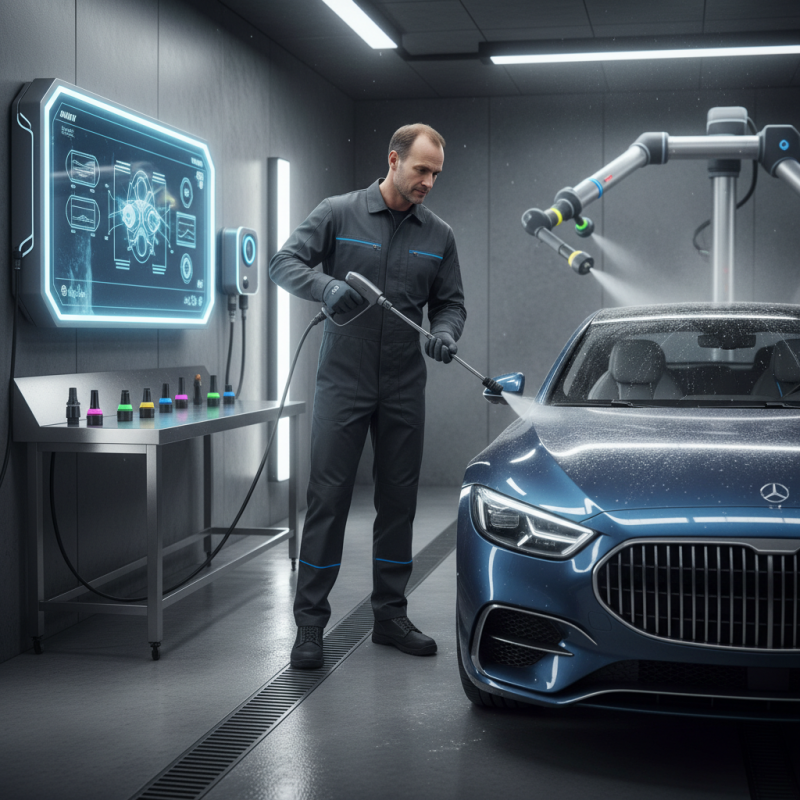
When choosing a pressure car wash machine, several factors come into play. The market offers various types, from electric models to gas-powered machines. Each type serves different needs. According to recent industry data, 65% of car wash professionals prefer gas-powered machines for their power. These models typically deliver over 3,000 PSI, making them more effective at tackling tough grime.
Size is another key factor to consider. A compact machine is easier to store and maneuver, especially for personal use in smaller driveways. In fact, many users report that smaller machines can still handle regular cleaning jobs effectively, with pressure ratings of 1,500 to 2,200 PSI suitable for residential use. However, it’s important to weigh the balance between size and power. A small, less powerful machine might leave behind stubborn dirt.
Don’t overlook the importance of accessories. Many machines come with attachments that enhance cleaning effectiveness. For instance, rotating brushes or foam cannons can improve performance. Yet, 40% of consumers often disregard these features, leading to subpar cleaning results. It's a common oversight but worth addressing when making a purchasing decision. Always reflect on your cleaning needs before settling on a machine.
When using a pressure car wash machine, understanding pressure settings is key. Different tasks require different levels of pressure. For example, 1300-1900 PSI works well for washing light dirt from your car. A lower setting can protect the paint.
Moderate settings, around 2000-2500 PSI, are good for tougher grime. This pressure can handle things like bird droppings. Yet, it might be too strong for delicate surfaces. It’s wise to test on a small area first.
For the heaviest cleaning, pressures above 2500 PSI are effective. These are meant for driveways or decks. However, using too much pressure can lead to damage. Always consider the surface material before proceeding. A thoughtful approach is essential.
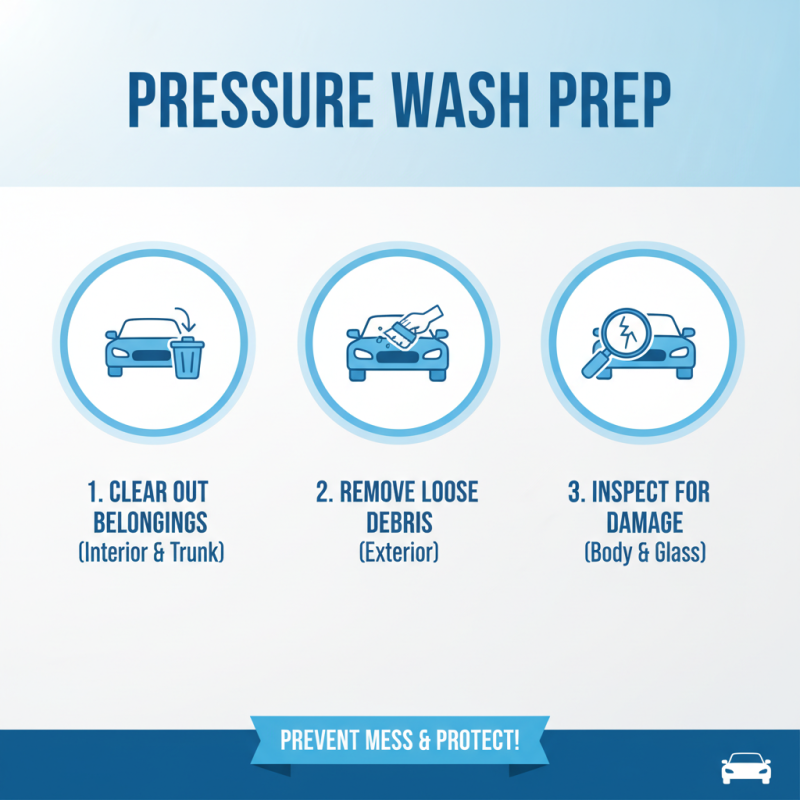
Preparing your vehicle for pressure washing is an important step. Start by removing any personal items from the interior and trunk. Clear out loose debris from the exterior. This will prevent unwanted mess during the wash. Check for any damage on the body and windshield. It's good to know if extra care is needed.
Next, rinse your vehicle with water before using the machine. This helps to remove larger dirt particles. Use a soft brush for stubborn spots and mud. Pay special attention to areas near the wheels. They often collect grime. Ensure your vehicle is parked on a flat surface. A stable position reduces risks of accidents.
Remember to cover sensitive areas like the exhaust and intake. This helps avoid moisture issues later. If you're not sure about any steps, reflecting on previous attempts can guide your approach. Each wash is a chance to learn what works best. It’s okay to make mistakes. Enjoy the process, and your vehicle will thank you for it!
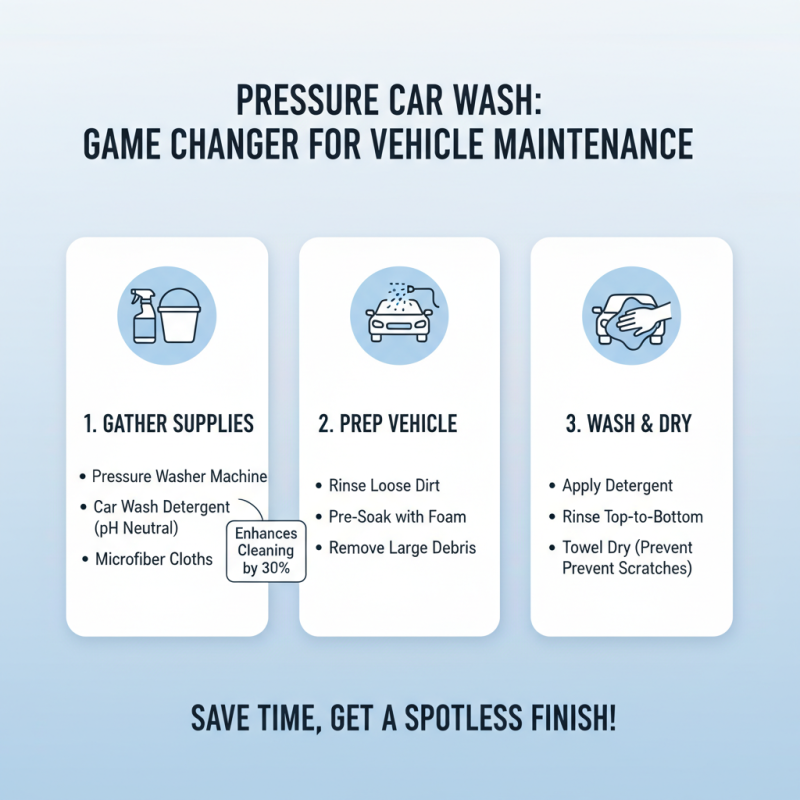
Using a pressure car wash machine can be a game changer for vehicle maintenance. Begin by gathering necessary supplies. Make sure to have a proper detergent designed for car wash. According to a recent industry study, using the right detergent enhances cleaning efficiency by up to 30%. Having a clean microfiber cloth handy will help prevent scratches during drying.
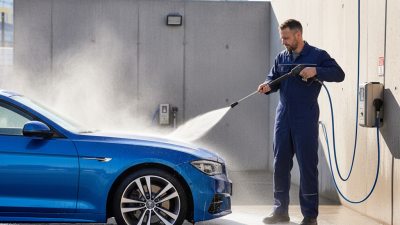
Next, prepare the pressure washer. Adjust the settings to a low-pressure mode. High pressure can damage paintwork, leading to costly repairs. Keep the nozzle at least two feet away from the surface to avoid issues. A survey revealed that 45% of car owners use too much pressure, risking their vehicle's exterior quality. Inconsistent washing practices can lead to spots and streaks.
While washing, move methodically across the vehicle’s surface. Work from top to bottom. This prevents dirt from running down onto clean areas. Remember that rinsing thoroughly is crucial, especially in hard-to-reach spots. Failure to rinse properly can leave residue, which leads to dullness. Regular cleaning maintains your car's aesthetic appeal and can increase its resale value significantly. A clean car reflects care and attention to detail, but rushing through could lead to missed areas or uneven washing.
Using a pressure car wash machine can be straightforward, yet safety cannot be overlooked. Always wear protective gear, such as gloves and goggles. Water under high pressure can cause injury. Even a minor slip can lead to accidents. Make sure you stand on stable ground while operating the machine. Avoid wearing loose clothing; they could get caught in the equipment.
Regular maintenance is essential for optimal performance. After every use, inspect the hoses and nozzles for damage. If you see cracks, replace them immediately. Clean the filters to prevent clogging. It’s easy to forget, but neglecting these tasks can lead to ineffective washing. Store the machine indoors to protect it from the elements. This small detail can extend its lifespan significantly.
Many users overlook safety checks. Have you checked your equipment recently? It’s a crucial step. A little caution can save you from future headaches. Keep your workspace free of debris. This helps minimize accidents. Reflect on your past experiences and make improvements. Continuous assessment will elevate your car washing routine.