How Fully Automated Car Washes Work: Benefits and Features Explained
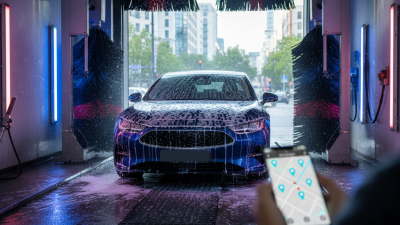
In recent years, the rise of the fully automated car wash has transformed the way we maintain our vehicles. These innovative systems offer convenience, speed, and a thorough cleaning without the need for manual labor. Many car owners appreciate the time savings that come with simply driving in and letting the machine do the work.
However, this level of automation brings some questions. Can these car washes truly meet the unique cleaning needs of every vehicle? Some users have reported mixed experiences, raising concerns about scratches or missed spots. The fully automated car wash technology continues to advance, yet it is essential to assess both its benefits and limitations.
Understanding how fully automated car washes operate can help owners make informed choices. With features that include touchless cleaning and optimized water usage, these systems aim to balance efficiency with effectiveness. As we delve deeper into the inner workings of these machines, we invite you to consider both the advantages they offer and the potential downsides they might present.
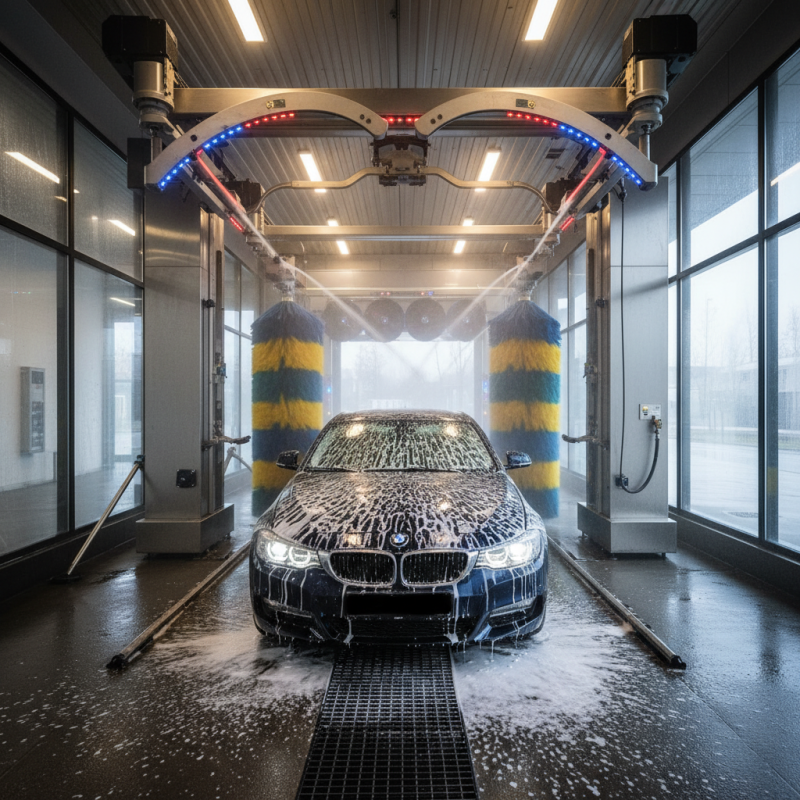
Understanding Fully Automated Car Washes: An Overview
Fully automated car washes revolutionize vehicle maintenance. They use advanced technology for efficient cleaning, offering convenience to busy customers. According to a recent report by IBISWorld, the car wash industry generates over $10 billion annually in the U.S. alone. This figure reflects a growing preference for quick and thorough car care solutions.
The operation of these car washes relies on sensors and automated machinery. These features ensure that every vehicle receives a thorough clean without human intervention. Many facilities also offer subscription models, allowing consumers to wash their cars regularly for a fixed monthly fee. This has attracted a sizable customer base, with over 30% of car owners opting for automated services in 2023. However, some users express concerns about the effectiveness of automated washes on heavy dirt and grime.
In addition to speed, automated car washes save water when compared to traditional methods. They recycle water and use less than 30 gallons per wash, as noted by the International Carwash Association. Yet, some customers remain unsure about the potential for scratches or damage from these systems. Balancing efficiency with quality remains a topic for reflection within the industry. As technology continues to evolve, addressing these concerns will be crucial for sustaining customer trust.
The Technology Behind Automated Car Wash Systems
Automated car wash systems utilize advanced technology to deliver efficient and effective cleaning. These systems often incorporate high-pressure water jets, soft cloth brushes, and innovative foam sprays. According to a report by IBISWorld, the automated car wash industry has seen steady growth, with revenue reaching over $1 billion in recent years. This trend highlights the appeal of convenience for consumers.
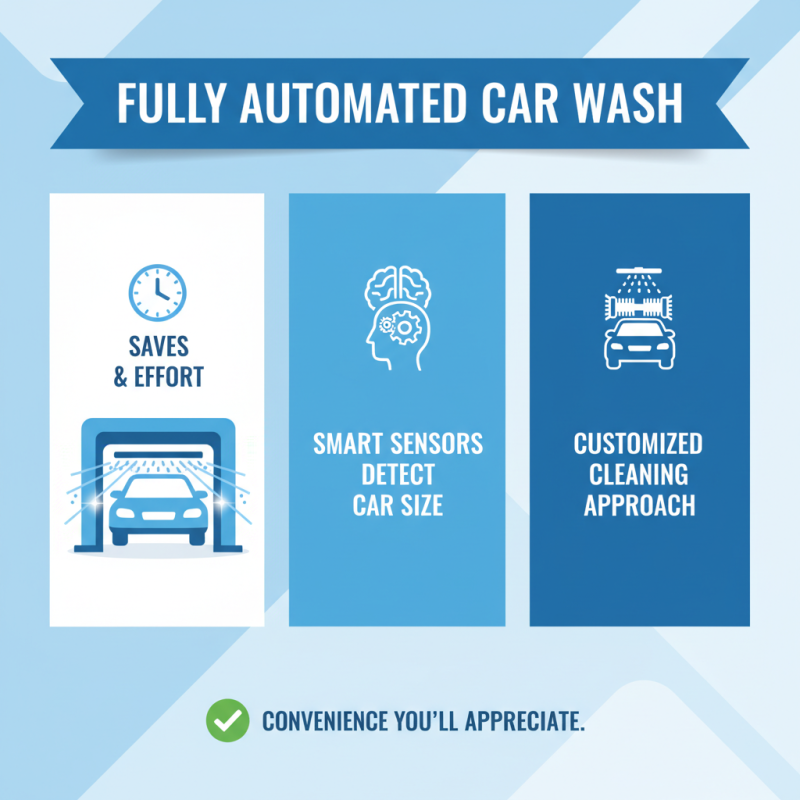
In an automated car wash, sensors play a crucial role. They detect the vehicle's size and adjust the wash accordingly. Some systems use advanced robotics for precise cleaning. This can lead to improved customer satisfaction and quicker turnaround times. However, not all cars are suited for automated washes. Vehicles with certain modifications may face risks of damage.
Tips: Before going for an automated wash, check your vehicle’s dimensions. Ensure it fits the system’s specifications. Consider your car's surface; some finishes may require gentler cleaning methods.
Occasionally, automated systems may miss dirt in hard-to-reach areas. In such cases, manual touch-ups are needed. It’s worth reflecting on the balance between convenience and thoroughness. Regular maintenance can enhance your vehicle’s appearance. Using automated systems can save time, but the job isn't always perfect.
Key Benefits of Using Fully Automated Car Washes
Fully automated car washes offer convenience that many appreciate. They save time and effort, allowing car owners to focus on other tasks. As vehicles enter the wash, sensors detect the dimensions. This ensures the right cleaning approach is used for each specific car type.
One key benefit is the consistent cleaning quality. Automated systems use advanced technology to deliver uniform results. Brushes and sprays are programmed to remove dirt and grime effectively. However, not every feature works perfectly. Occasionally, a vehicle might leave with a streak or spot. Customers may find some inconsistencies in service depending on the system.
Another advantage is the eco-friendly aspect of these washes. Many facilities recycle water and use biodegradable soaps. This can significantly reduce water waste compared to traditional washing methods. Still, there are experiences where the drying mechanism may leave cars damp. Observations and feedback can lead to improvements in these automated systems. Overall, fully automated car washes reflect modern convenience, though there is always room for enhancement.
Features That Enhance the Efficiency of Automated Washes
Automated car washes are designed to improve efficiency and provide a thorough clean. One standout feature is the use of advanced sensors. These sensors assess the vehicle's size and shape, ensuring that wash equipment adapts accordingly, reducing the risk of damage. Additionally, this technology optimizes water and soap usage, making the process more eco-friendly.
Another key aspect is the multi-step washing process. Automated washes typically include pre-soaking, scrubbing, and rinsing. Each stage uses specific tools to address different dirt types. The brushes are often soft but effective, ensuring that no scratches occur. However, some users have raised concerns about soap residue. It’s vital for operators to monitor soap levels to prevent buildup on cars.
Finally, drying systems are crucial. High-powered blowers can remove most water quickly. Yet, some spots might remain wet. Customers should consider a manual touch-up afterward. These features work together to enhance the overall washing experience, even though improvement areas exist. Regular maintenance of the wash equipment is essential to maximize performance and customer satisfaction.
Environmental Considerations of Automated Car Wash Operations
Automated car washes provide substantial benefits, but they also raise environmental questions. Water usage is one major concern. These operations consume large amounts of water, often using more than traditional washes. However, many automated systems recycle water. This practice helps reduce waste, but not all facilities implement it.
Chemical runoff presents another issue. Some automated car washes use harsh detergents. These chemicals can contaminate local waterways, harming aquatic life. Operators must choose eco-friendly products to minimize their environmental impact. Yet, ensuring consistent use of safe chemicals is a challenge.
Noise pollution is often overlooked. The machinery can be loud, causing disturbances. This is a factor for nearby residences. Some facilities have taken steps to reduce noise, but improvements are still needed. The balance between convenience and environmental stewardship remains a pressing reflection point.
Benefits of Fully Automated Car Washes
This bar chart illustrates the various benefits of fully automated car washes. The data shows the percentage of advantages such as water savings, time efficiency, cost-effectiveness, labor reduction, and their positive environmental impact.