How to Estimate Car Wash Machine Cost Effectively?
When it comes to starting a car wash business, estimating the Car Wash Machine Cost is crucial. This cost influences your overall budget and profitability. A thorough understanding can lead to better investment decisions.
Several factors play into the cost. For example, the type of machine you choose can vary significantly in price. You'll find automatic machines, manual setups, and hybrid versions, each presenting unique benefits and expenses. Additionally, features such as water recycling systems can also affect the Car Wash Machine Cost.
Researching and comparing prices is important, but it can be challenging. Many newcomers overlook hidden costs. Maintenance, repairs, and setup should not be neglected. Consider all aspects to get a clearer view of your financial commitments. This reflection may lead to budget adjustments or equipment upgrades. Ultimately, a well-planned approach can pave the way for a successful business venture.
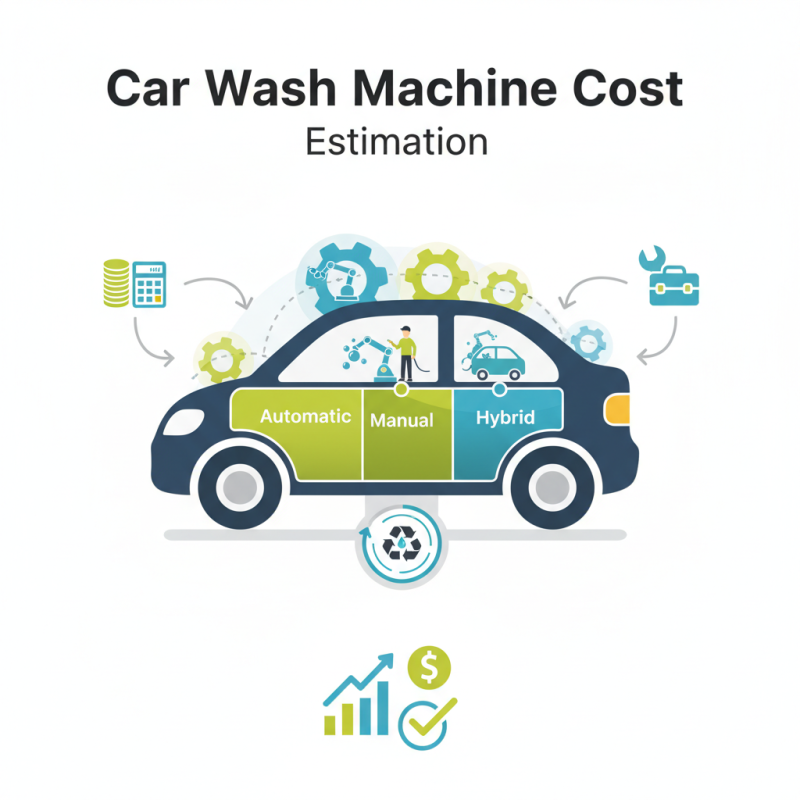
Understanding the Components of Car Wash Machines and Their Costs
When estimating the cost of a car wash machine, it's essential to understand its core components. The machine often includes elements like water pumps, drying systems, and brushes. Each of these parts has varying prices based on quality and technology. For instance, high-pressure pumps can be more expensive but lead to better results.
Tips: Research the various components in detail. Knowing the average cost of each part can help in budgeting effectively.
Consider the installation costs as well. They can add significantly to the total. Look into options for maintenance, as these can prevent unexpected expenses down the line. A reliable machine will require less frequent repairs.
Tips: Don’t underestimate the value of warranties. Understanding what is covered can save you money and stress. Also, evaluate energy efficiency. A machine that uses less water and electricity will soon pay for itself.
Analyzing Different Types of Car Wash Machines and Their Pricing
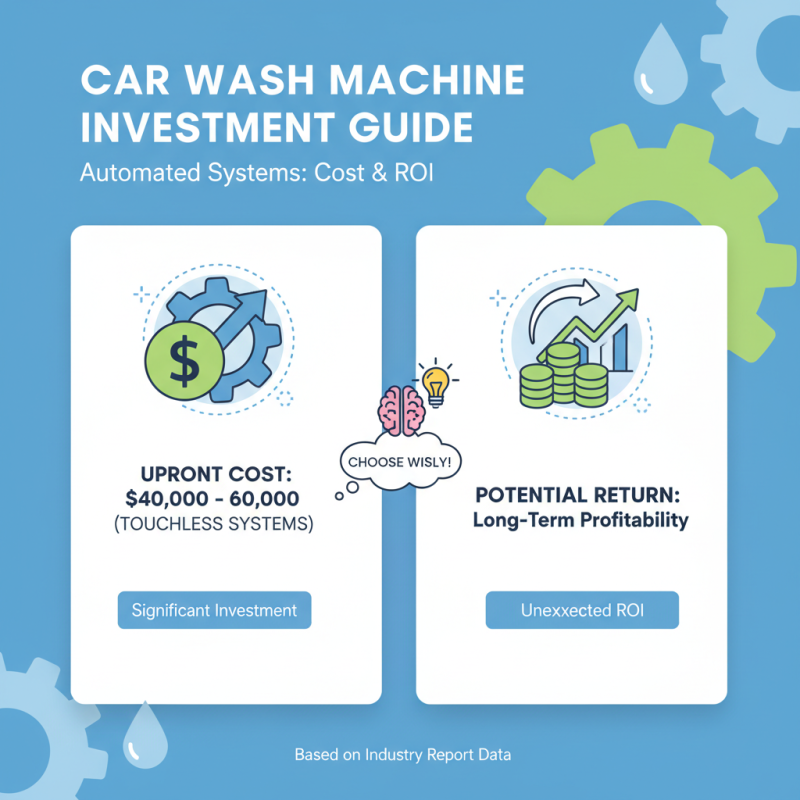
Choosing the right car wash machine can get tricky. The market offers various models, each with different specifications and pricing. A recent industry report indicated that automated systems, like touchless machines, typically range from $40,000 to $60,000. This is a significant investment for many businesses. Yet, the upfront cost may lead to an unexpected return over time. Understanding exact needs helps in making the right choice.
Additionally, tunnel car wash systems, known for efficiency, can cost between $100,000 and $400,000. This price range often includes installation and features. While the potential for revenue is high, many owners may find maintenance costs surprising. These machines frequently require parts replacements and ongoing maintenance, which could affect profitability. Factors like water usage and chemical costs also play a substantial role in overall expenses.
Self-service car wash stations carry a different price point. They can be set up for as low as $15,000, appealing for those with limited budgets. Despite lower initial costs, some operators report higher labor demands. It’s crucial to weigh the benefits of different models against potential challenges. Understanding these variables can greatly influence financial outcomes and operational success.
Factors Influencing the Cost of Car Wash Machines
When considering the cost of car wash machines, several factors come into play. One major influence is the type of equipment chosen. Touchless systems typically range from $30,000 to $50,000. In contrast, friction wash systems may start at $25,000 but can exceed $100,000 depending on features. This wide price range reflects quality and technology differences. Reports indicate that advanced systems can increase wash efficiency and customer satisfaction.
Another factor is installation costs. Depending on location, these can vary. Installation may add an additional 20% to 30% to the base equipment cost. Facilities in urban areas often face higher labor rates. Additionally, water and electricity consumption should be considered. Machines that consume less water are increasingly in demand. Industry data shows that eco-friendly machines can save around 20% on utility bills over time.
Maintenance is a recurring expense too. Regular upkeep can prevent costly repairs. Studies suggest that neglected machines can lead to a 40% increase in annual operational costs. Owners must weigh the upfront costs against these potential long-term expenses.
Comparative Cost Analysis: New vs. Used Car Wash Machines
When considering the cost of car wash machines, a comparative analysis between new and used models is essential. New machines often come with warranties and the latest technology. They promise efficiency and reliability. However, they also demand a significant initial investment. It is important to evaluate whether these benefits outweigh the costs for your business.
On the other hand, used car wash machines can be more budget-friendly. They have lower upfront costs, which is attractive to many owners. However, the risks are higher. Used machines may require frequent repairs, which can lead to unexpected expenses. Some machines may not have updated features, limiting their effectiveness. Assessing the condition and history of used equipment is critical to avoid costly surprises.
While lower prices are appealing, they should not be the only factor in your decision-making. Consider your long-term goals and the amount of maintenance you can manage. It is vital to weigh the pros and cons carefully. Sometimes, investing in a new machine may save money over time, despite the initial cost. Balancing these factors will lead to a more informed decision.
Calculating Total Cost of Ownership for Car Wash Machines
Calculating the total cost of ownership for car wash machines is crucial for potential buyers. It goes beyond the initial purchase price. You need to consider operational costs, maintenance expenses, and life expectancy. A simple calculation may overlook these details.
Operational costs can vary. Water and electricity usage play significant roles. Some machines consume more than others. Regular maintenance is also key. Neglecting this can lead to costly repairs later. A machine might look appealing at first glance but checking its efficiency may reveal hidden costs.
Potential downtime is another factor to reflect on. If a machine breaks, your profits can plummet. Think about replacement parts and their availability too. A well-rounded analysis helps in making a wise investment. Balancing the budget with potential risks is necessary for future success.