What is the Cost of Car Wash Machines in China?
The automotive cleaning industry in China is rapidly evolving. With the rise in vehicle ownership, demand for efficient car wash solutions is increasing. A significant part of this growth is attributed to advancements in technology and manufacturing processes. However, understanding the Car Wash Machine Cost is essential for potential investors.
China offers a range of car wash machines at varying price points. Factors such as brand reputation, machine type, and technology impact the overall cost. Basic models can be quite affordable. However, high-tech machines with advanced features come at a premium price. Investing in a quality machine entails careful consideration of long-term benefits versus initial expenses.
Evaluating the Car Wash Machine Cost involves a deeper analysis. It also requires weighing the benefits of durability and reliability against cheaper alternatives. Some investors may find they save money upfront but end up paying in maintenance later. Therefore, thorough research and expert advice are crucial for making informed decisions in this competitive market.
Overview of Car Wash Machines Available in China
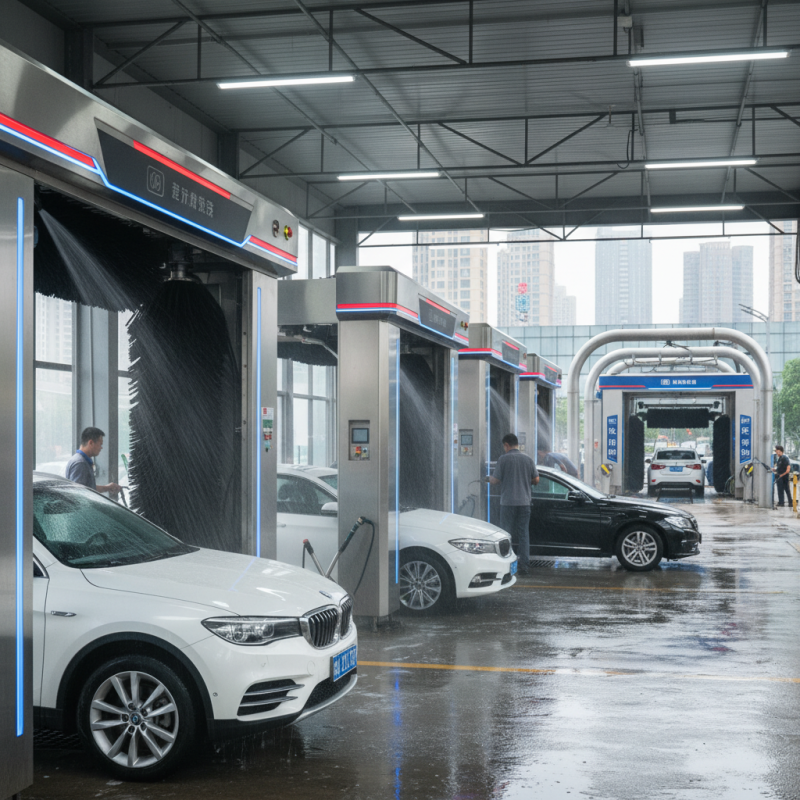
Car wash machines in China present a variety of options for both residential and commercial users. Data from the China Car Wash Industry Report indicates a growing market, with over 30,000 car wash businesses operating in urban areas alone. Automated machines are increasingly popular, appealing to both consumers and business owners due to their efficiency and reduced labor costs.
Different types of car wash machines are available. These include touchless systems, jet wash units, and foam brushes. Each type caters to different consumer preferences and market segments. Reports estimate that the average cost of an automated car wash machine ranges from $20,000 to $100,000, depending on features and technology. Some businesses find it challenging to balance the initial investment against potential returns.
Many operators need to consider maintenance costs and energy consumption. While advanced models promise efficiency, older machines can lead to higher operational expenses over time. Moreover, consumer demand for eco-friendly practices places additional pressure on operators to adopt greener technologies. Exploring these factors can help identify sustainable options moving forward.
Key Factors Influencing the Cost of Car Wash Machines
The cost of car wash machines in China can vary significantly. Key factors that influence these prices include the machine type, features, and technological advancements. Basic machines may start at lower prices, while advanced systems with automation or eco-friendly features can be much more expensive.
Another important factor is the production scale. Larger manufacturers often benefit from economies of scale, which may reduce costs. Regional differences also play a role in pricing. For instance, machines in urban areas may be priced higher due to demand and transportation costs. Additionally, maintenance and operational costs should be considered when evaluating overall expenses.
One must also think about the durability and reliability of these machines. Some low-cost options might require more frequent repairs. Meanwhile, investing in a quality machine can pay off in the long run. Understanding these factors is essential for making an informed decision.
Comparison of Different Types of Car Wash Machines and Their Prices
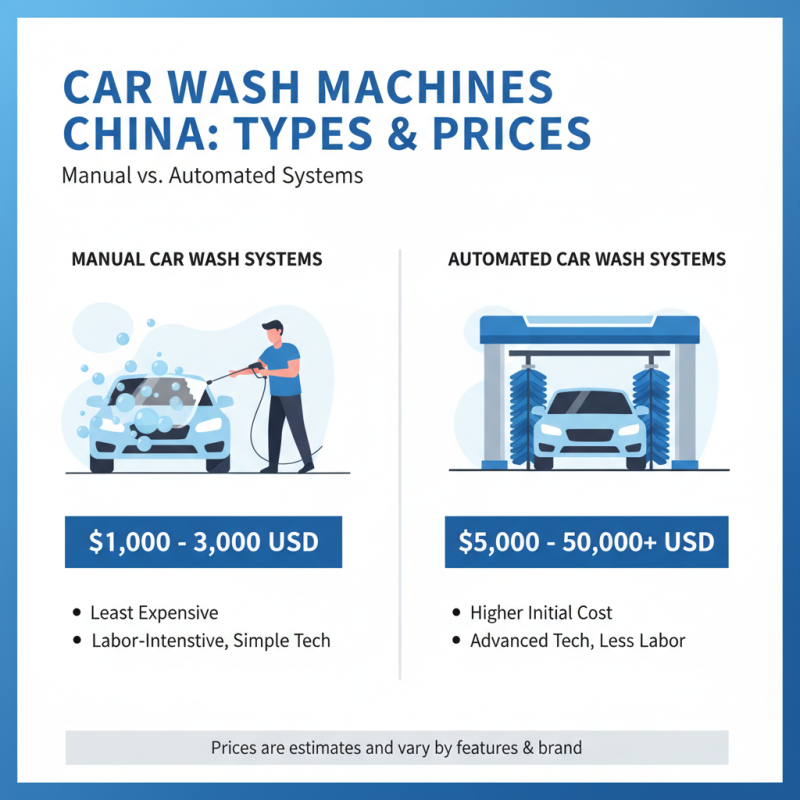
When considering car wash machines in China, various types and prices emerge. Manual car wash systems are the least expensive. Machines in this category typically range from $1,000 to $3,000. They are simple, but labor-intensive. Their price reflects lower technology compared to automated systems.
Automatic touchless car wash machines hold a different position. Prices for these machines start around $10,000, reaching up to $30,000. These systems use high-pressure water jets and specialized cleaning agents. However, their maintenance can be complex and costly. The effectiveness can depend on water quality and machine calibration.
For more advanced options, fully automated tunnel car wash systems are a favorite among car wash businesses. These can range from $30,000 to over $100,000. Such machines offer a fast and efficient wash, attracting more customers. Yet, they require significant space and a steady stream of users to justify the investment. Overall, the car wash machine market in China presents various choices, each with unique benefits and drawbacks.
Market Trends and Future Projections for Car Wash Machine Costs
The car wash machine market in China has seen significant growth in recent years. As urbanization increases, more car owners seek convenient and efficient ways to maintain their vehicles. This demand creates a competitive market where costs fluctuate based on technology and demand. Basic models can be found for lower prices, while advanced machines with automation features can command premium rates.
Market trends indicate a shift toward eco-friendly washing systems. Many buyers prefer machines that consume less water and use biodegradable detergents. This sustainability factor not only attracts customers but also aligns with environmental regulations. Future projections suggest that the cost of advanced machines may rise as technology evolves. However, basic models might remain stable or even drop, making them accessible to small businesses.
Tips: When investing in a car wash machine, consider maintenance costs. Some machines require specific parts that can be expensive. Additionally, research the latest technology trends to stay competitive. Look for user reviews; they often reveal strengths and weaknesses in performance. A thorough analysis can guide you to make an informed decision, balancing quality and cost.
Cost of Car Wash Machines in China (2023)
This chart illustrates the average costs of various types of car wash machines available in China as of 2023. The data highlights the differences in pricing, showcasing the range from basic to custom solutions for car wash operations.
Regional Variations in Car Wash Machine Pricing Across China
In China, car wash machines vary significantly in price depending on the region. Cities like Beijing and Shanghai often see higher prices due to increased demand and urban living conditions. The average cost in these metropolitan areas can range from 100,000 to 300,000 RMB. These cities also feature advanced technology, leading to higher initial investments.
In contrast, smaller towns may offer more affordable options. Here, prices can start as low as 50,000 RMB. However, the equipment quality might differ, as local suppliers often prioritize cost over advanced features. It’s essential to assess the operational needs before purchasing. Some machines in rural areas may lack essential functionalities, which could affect efficiency.
Regional differences also impact service accessibility. In major cities, operators can access training and support easily. In less populated areas, this support may be sparse or nonexistent, leading to operational challenges. Buyers should consider these factors carefully. They must weigh initial costs against long-term benefits and potential regional pitfalls. A thorough market analysis could help avoid costly decisions.
What is the Cost of Car Wash Machines in China? - Regional Variations in Car Wash Machine Pricing Across China
| Region |
Machine Type |
Price (USD) |
Installation Cost (USD) |
Annual Maintenance Cost (USD) |
| Beijing |
Automatic |
10,000 |
1,500 |
800 |
| Shanghai |
Automatic |
11,000 |
1,700 |
900 |
| Guangzhou |
Touchless |
9,500 |
1,200 |
750 |
| Shenzhen |
Self-Service |
7,000 |
800 |
600 |
| Chengdu |
Automatic |
8,500 |
1,000 |
700 |