How to Choose the Best Pressure Car Wash Machine for You?
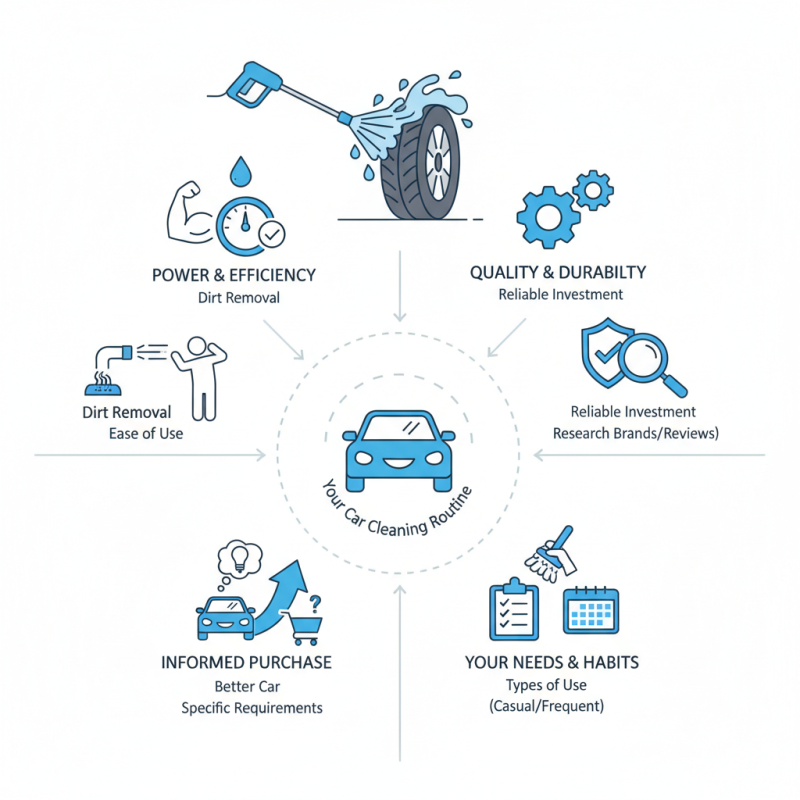
Choosing the right Pressure Car Wash Machine can significantly impact your car cleaning routine. The market offers various models, each with unique features and specifications. This diversity can be overwhelming for consumers. Evaluating what suits your needs requires knowledge and careful consideration.
A powerful Pressure Car Wash Machine can efficiently remove dirt and grime. Yet, a more powerful option may not always be the best choice. It’s essential to balance performance with ease of use. Some machines are too complex for casual users. Reflecting on your cleaning habits will help guide your decision.
Quality and durability are also critical factors. Investing in a reliable machine can save you money in the long run. Researching brands and customer reviews can provide valuable insights. Ultimately, understanding your specific requirements will lead to a more informed purchase. A well-chosen Pressure Car Wash Machine can enhance your overall car care experience.
Understanding Pressure Car Wash Machines: A Brief Overview
Pressure car wash machines are essential tools for maintaining vehicle cleanliness. These machines utilize high-pressure water jets to remove dirt and grime effectively. They come in various types, including electric and gas-powered models, catering to diverse cleaning needs. According to a recent industry report, the global market for pressure washers is expected to grow at a rate of 5% annually, driven by increased vehicle ownership and a rising focus on eco-friendly cleaning solutions.
Understanding pressure ratings is crucial. PSI (pounds per square inch) indicates the cleaning power, while GPM (gallons per minute) refers to the water flow rate. For example, machines with a PSI above 2000 are ideal for heavy-duty work. Most homeowners may find units between 1300-1900 PSI sufficient. However, the noise level and energy consumption of high-powered models may be factors to consider. Reflect on whether you truly need that extra cleaning power.
Additionally, the selection of nozzles impacts versatility. A typical pressure washer may come with different nozzles, allowing users to alter spray patterns. This detail can influence cleaning efficiency and precision. It's important to recognize that using the wrong nozzle can accidentally damage vehicle surfaces. Always prioritize safety by thoroughly understanding how each component functions. Often, users overlook the maintenance requirements of these machines, which is essential for longevity and performance.
How to Choose the Best Pressure Car Wash Machine for You?
| Feature |
Description |
Recommended Value |
| Pressure Level |
Measured in PSI, indicates the strength of the water spray |
1500 - 3000 PSI |
| Water Flow Rate |
Measured in GPM, reflects how much water flows through the nozzle |
1.5 - 2.5 GPM |
| Power Source |
Whether the machine is electric or gas-powered |
Electric for home use, Gas for commercial |
| Portability |
Weight and the presence of wheels for easy mobility |
Under 100 lbs with wheels |
| Number of Attachments |
Different nozzles and brushes for specific tasks |
At least 5 interchangeable attachments |
| Price Range |
General cost of the machine |
$100 - $500 |
Key Features to Consider in a Pressure Car Wash Machine
When looking for the ideal pressure car wash machine, various key features come into play. Power output is vital for effective cleaning. A unit with at least 1500 PSI is generally reliable for removing dirt and grime. However, higher pressure may not always be necessary, especially for gentle washing. Consider the nozzle types included as well. Nozzles affect spray patterns, and having multiple options allows for versatility.
Portability is another important factor. A lightweight machine is easier to move around. Think about design elements like wheels and handles that aid in transport. Additionally, check the hose length. A longer hose can save you the hassle of repositioning the machine frequently, making the washing process more efficient.
**Tip:** Look for machines with user-friendly features. A straightforward assembly process or an easy-start feature can save time.
Another aspect to ponder is water consumption. Some machines use less water, conserving resources while still delivering powerful cleaning results. This is a benefit for both the environment and your water bill. Review the durability of the machine as well. Cheaper models might break down quickly. Spending a little more upfront can provide a reliable tool in the long run.
**Tip:** Research customer reviews for insights on durability and performance. Real experiences can guide your decision-making effectively.
Pressure Car Wash Machine Features Comparison
Assessing Your Cleaning Needs: Home vs. Professional Use
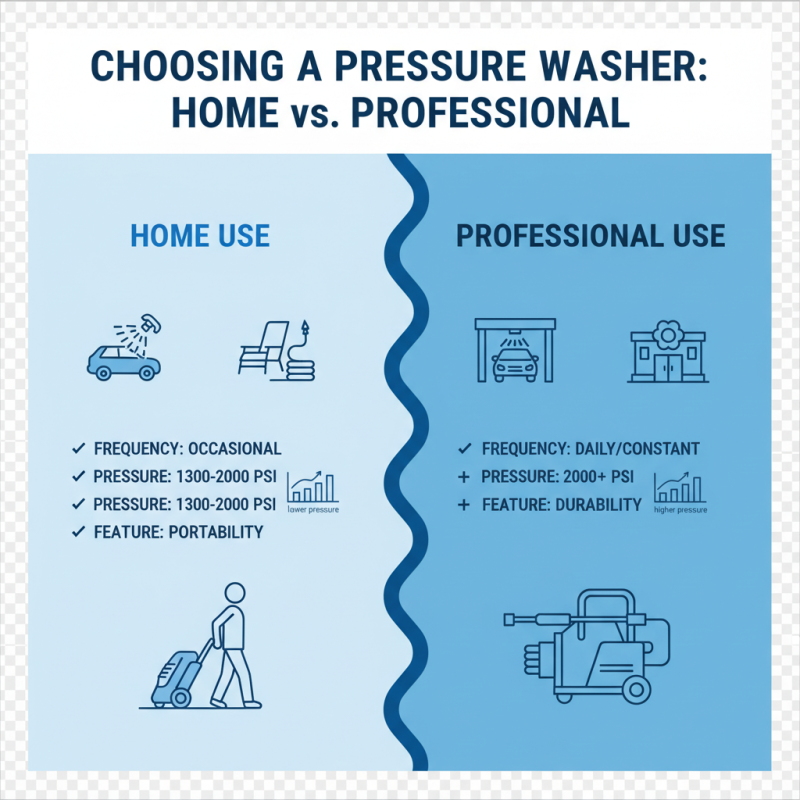
When choosing a pressure car wash machine, assessing your cleaning needs is crucial. For home users, consider the frequency of use. Data shows that homeowners typically need machines with lower pressure ratings, around 1300 to 2000 PSI. This range is efficient for cleaning cars, patios, and outdoor furniture without damaging the surfaces. Additionally, weigh the importance of portability. A lightweight model can be easier to maneuver around your property.
In contrast, professional use often demands machines with higher pressure, ranging from 2000 to 4000 PSI. Commercial devices are built for durability and frequent use. A report from the Pressure Washer Manufacturers' Association indicates that professionals can wash dozens of vehicles a day. They require more powerful machines to save time and achieve a higher level of cleanliness. However, investing in a professional-grade machine without understanding its maintenance needs can lead to frustrations down the line. Owners must commit to regular upkeep to avoid costly repairs.
Recognizing your specific cleaning tasks can lead to more informed choices. Some users may overestimate their needs, purchasing a high-end machine without understanding its full capabilities. Evaluate your environment and cleaning requirements to find the right balance between power and usability.
Comparing Different Types of Pressure Car Wash Machines
When selecting a pressure car wash machine, understanding the differences between types is vital.
Electric pressure washers are popular for home use. They are lightweight and ideal for small jobs. These machines typically apply lower pressure, making them safer for delicate surfaces. Their ease of use is appealing, especially for beginners.
Gas pressure washers are more powerful and suitable for heavy-duty cleaning. They can handle tough grime and large surfaces. However, they're heavier and require more maintenance. This can be daunting for new users. Their noise levels are considerable, which might be a concern in residential areas.
Consider pressure ratings as well. Measured in PSI, this affects cleaning power. Higher PSI means more force; however, too much pressure can damage paint. Additionally, check for features like adjustable nozzles. A wider range of options gives you better control. Sometimes, the best choice lies in balancing power and ease of use. Finding the right fit may require testing different models. Each has strengths and weaknesses; understanding them is key to finding your ideal machine.
Budget Considerations: Finding the Right Machine for You
When considering a pressure car wash machine, budget is a key factor. A recent industry report indicates that consumers can spend between $100 to $500 or more on these machines. Prices vary based on features and durability. Understanding what you really need can help in making a cost-effective choice.
For casual users, spending around $150 may suffice. You can find machines with basic functionalities. However, professionals or frequent users might need to invest more. Spending $300 or more often yields better quality and longer-lasting equipment. Machines in this range usually have higher pressure ratings and versatile attachments.
Remember, the initial cost isn't the only consideration. Maintenance expenses, energy consumption, and replacement parts should weigh into your decision. A budget-friendly model may save money upfront but could cost more long-term due to repairs or inefficiency. Balancing immediate needs with long-term investment is crucial. Seek advice from professionals or do thorough research before purchasing. Your choice should reflect both your budget and washing requirements.