How to Choose the Best Car Wash Machine Equipment for Your Business in 2025
As the car wash industry continues to evolve, selecting the right Car Wash Machine Equipment is pivotal for businesses looking to thrive in 2025. According to a recent report by IBISWorld, the car wash industry is projected to grow at an annual rate of 3.6% over the next five years, driven by increasing vehicle ownership and a rising inclination towards eco-friendly washing solutions. This trend underscores the need for operators to invest in state-of-the-art equipment that not only enhances efficiency but also meets evolving consumer expectations.
Industry expert John Miller, a recognized authority in car wash technology, emphasizes the significance of this decision by stating, "Choosing the right Car Wash Machine Equipment can be the difference between success and failure in a competitive marketplace.” Therefore, business owners must consider various factors, including machine performance, water efficiency, and reliability, to ensure they remain competitive. With a strategic approach to selecting equipment, car wash businesses can not only improve service quality but also contribute positively to environmental sustainability while meeting the demands of modern consumers.

Understanding the Types of Car Wash Machines Available in 2025
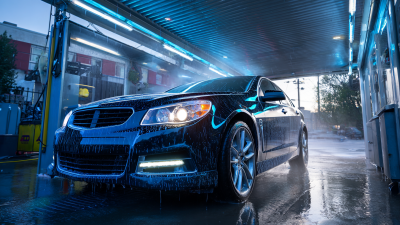
When considering the types of car wash machines available in 2025, businesses can choose from several innovative options designed to cater to diverse washing needs. One prominent type is the touchless car wash system, which utilizes advanced high-pressure water jets and specialized cleaning solutions to remove dirt and grime without direct contact with the vehicle's surface. This technology minimizes the risk of scratches and damage, making it a popular choice among owners of high-end vehicles. Additionally, touchless systems are typically more efficient in water usage, aligning with modern environmental standards.
Another option includes the friction-based car wash machines that utilize soft foam brushes to provide a thorough cleaning. These machines incorporate various wash cycles, including pre-soak, rinse, and wax applications, ensuring a comprehensive wash. They are particularly effective for dealing with heavily soiled vehicles and can often handle multiple cars in a set period. Some advanced versions even feature customization options, allowing customers to select their preferred wash treatments, enhancing the overall customer experience and retention.
Furthermore, the emergence of hybrid car wash systems has provided businesses with the versatility of integrating both touchless and friction methods in their operations. This approach caters to a broader range of customer preferences while optimizing efficiency. As the car wash industry evolves, understanding these types of machines will be crucial for business owners looking to invest in the right equipment for their needs in 2025.
Key Features to Consider When Choosing Car Wash Equipment
When selecting the best car wash machine equipment for your business in 2025, several key features should be taken into consideration to ensure efficiency and customer satisfaction. One of the primary aspects is the technology used in the washing system. According to an industry report by the International Carwash Association, automated car wash systems are projected to grow by over 25% by 2025, driven by advancements in sensors and robotics. These technologies not only enhance cleaning effectiveness but also minimize water usage, aligning with increasing environmental regulations.
Another critical feature to evaluate is the adaptability of the equipment to various vehicle sizes. With the growing diversity in vehicle types—from compact cars to oversized SUVs—investing in equipment that can accommodate this range is vital. Research indicates that car wash operators who invest in versatile equipment see up to a 30% increase in customer satisfaction and retention, as they can better serve the needs of their clientele. Additionally, energy efficiency is a growing concern; machines that utilize energy-efficient technologies can significantly reduce operational costs, with some estimates suggesting savings of up to 15% annually.
Lastly, maintenance and support systems play a crucial role in the longevity and reliability of car wash equipment. A robust support framework ensures minimal downtime and quick resolution of issues, which is essential for maintaining service quality. The National Association of Convenience Stores highlights that prompt maintenance can improve equipment lifespan by as much as 40%, thus maximizing the return on investment. Prioritizing these features not only contributes to profitability but also enhances the overall customer experience in a competitive market.
Key Features to Consider When Choosing Car Wash Equipment in 2025
Assessing the Cost-Effectiveness of Different Car Wash Systems
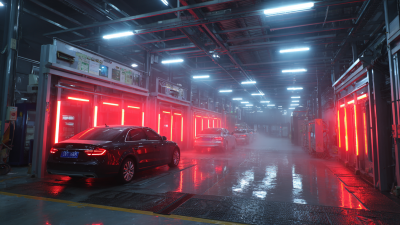
When selecting car wash machine equipment for your business, understanding the cost-effectiveness of various systems is pivotal. A report from IBISWorld indicates that the car wash industry is expected to grow by 3.3% annually, reaching a market size of approximately $12 billion by 2025. This upward trend signifies that investing in efficient equipment can yield significant returns. Cost-effectiveness can be gauged by considering both the initial investment and ongoing operational expenses. For example, a tunnel wash system may have higher upfront costs but can wash more vehicles per hour compared to a touchless system, leading to lower labor costs per wash.
 Additionally, assessing water and energy efficiency is crucial. According to the International Carwash Association, modern car wash systems can reduce water usage by up to 80% compared to traditional methods. This substantial reduction not only lowers utility bills but also appeals to eco-conscious consumers. Implementing high-efficiency pumps and reclaim systems can further enhance cost savings over time. Therefore, the choice of car wash equipment should focus not only on initial purchase price but also on long-term operating costs and environmental impact, ensuring a sustainable business model for the years to come.
Evaluating Space and Location Requirements for Car Wash Machines
When considering how to choose the best car wash machine equipment for your business in 2025, evaluating space and location requirements is crucial. The area available for your car wash setup significantly influences the type of machinery you can install and the services you can offer. Assessing the layout of your site involves considering factors such as the size of the machines, the flow of vehicle traffic, and the need for additional space for customers or employees. A well-planned space can optimize efficiency, enhance customer experience, and ultimately drive profit margins.
**Tips:** Always measure your designated area before purchasing equipment. Ensure there is enough room not only for the machines but also for vehicle movement and employee access. Additionally, consider future expansion possibilities—this can help avoid costly renovations down the line.
Location is another vital aspect to consider. A site that’s easily accessible to a high volume of traffic can dramatically influence your customer base. Think about proximity to major roads, residential neighborhoods, and complementary businesses that can create a steady flow of customers. Visibility from the street is equally important; you want your car wash to be seen by potential customers at all times.
**Tips:** Conduct market research to determine the best location where traffic patterns indicate high demand for car wash services. Utilize local zoning regulations to make informed decisions about what type of car wash equipment can be installed without restrictions.
Researching Leading Brands and Manufacturers in the Car Wash Industry
When researching leading brands and manufacturers in the car wash industry, it's essential to focus on several key factors that can significantly affect your business operations and customer satisfaction. Start by examining the reputation of various manufacturers. Look for companies with a proven track record in the car wash equipment sector, as they are typically more reliable and offer better after-sales support. Reviews and testimonials from other car wash business owners can provide valuable insights into the performance and durability of different machines.
In addition to reputation, consider the technological advancements that different brands offer. The car wash industry is constantly evolving, with new innovations aimed at improving efficiency and providing a better wash experience for customers. Investigate brands that prioritize eco-friendliness, water conservation, and energy efficiency, as these features are becoming increasingly important to consumers. It's also beneficial to analyze the range of equipment each brand offers, as a manufacturer with a diverse product line can meet various business needs, whether you're running a self-service station, a conveyor car wash, or a detail shop.
Finally, pay attention to the warranty and service options provided by manufacturers. A robust warranty policy can protect your investment and reduce maintenance costs over time. Furthermore, consider the availability of parts and technical support; choosing a brand known for excellent customer service can make a significant difference in minimizing downtime and keeping your car wash operation running smoothly.