What is a Car Wash Machine and How Does it Work?
A Car Wash Machine is an innovative solution for vehicle cleaning. It automates the washing process, making it faster and more efficient. Traditional hand washing can be time-consuming. Many people appreciate the convenience offered by these machines.
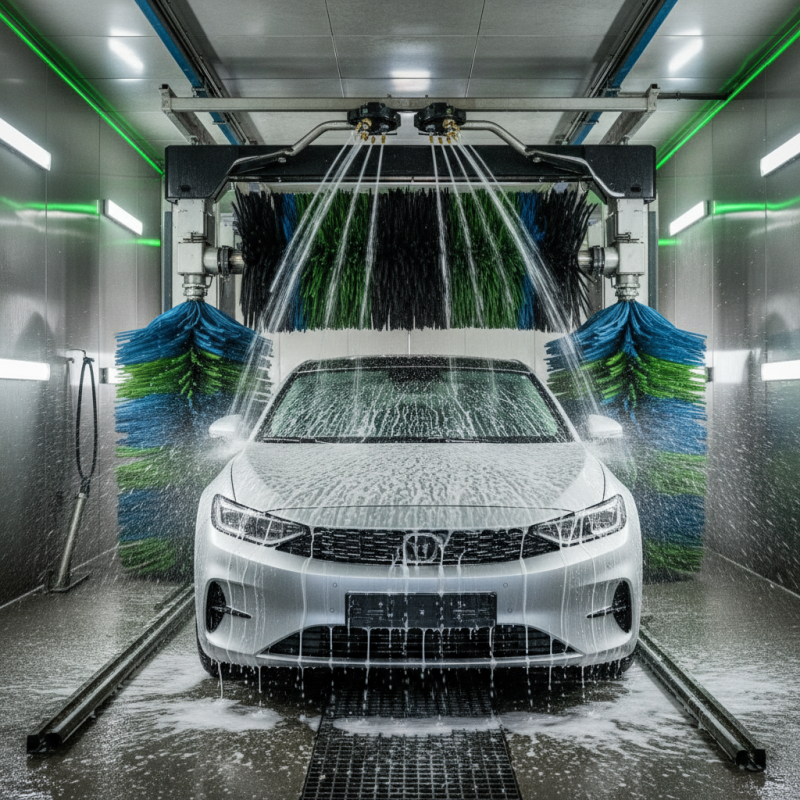
These machines use powerful jets of water and cleaning solutions. Brushes gently scrub the car's surface, eliminating dirt and grime. Some systems include drying options, which leaves cars spotless. Observing a Car Wash Machine in action can be impressive. However, one may wonder about their environmental impact.
While they save time and effort, not all machines use eco-friendly practices. There’s a need for more sustainable options in the market. Users should consider the efficiency of different models and their ecological footprint. A Car Wash Machine may be convenient, but it demands reflection on its broader effects.
What is a Car Wash Machine?
A car wash machine is an automated system designed to clean vehicles efficiently. It uses various methods to remove dirt, grime, and debris from cars. The common types include touchless, friction, and tunnel washes. According to IBISWorld, the car wash industry is projected to generate over $11 billion in revenue. This highlights the growing demand for convenient car cleaning solutions.
The core working principle of a car wash machine is the combination of water, soap, and mechanical action. Typically, these machines feature spray nozzles to distribute water and cleaning agents evenly. High-pressure jets help loosen stubborn dirt. Brushes may also be used in friction washes for thorough scrubbing. However, some machines may leave streaks or fail to reach certain areas of the car.
While many consumers appreciate the speed and ease of automatic washes, some voice concerns about results. Not all machines clean equally well. Some may miss spots, especially around mirrors and wheels. Maintenance issues can also affect performance, leading to dissatisfaction. In a study by the International Carwash Association, around 20% of participants reported being unhappy with their latest car wash experience. The challenge remains to enhance these machines for optimal cleaning without damaging the vehicle's surface.
Car Wash Machines: Water Usage by Type
Types of Car Wash Machines Available in the Market
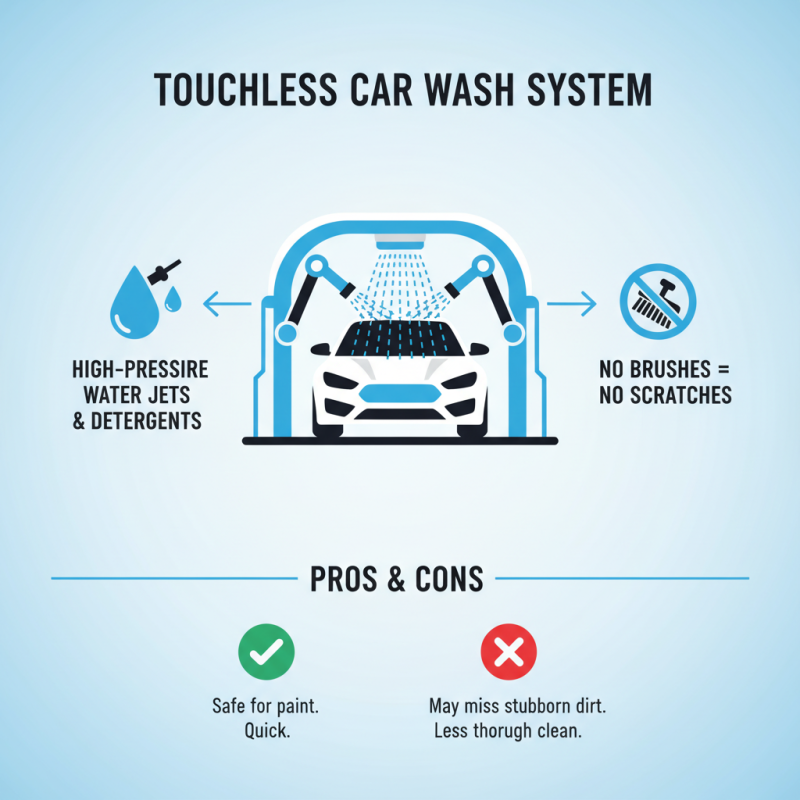
Car wash machines come in various types, each designed for different washing methods and user needs. One common type is the touchless car wash system. This machine uses high-pressure water jets and detergents. It effectively cleans the vehicle without any brushes. However, some stubborn dirt may remain, leading to less than perfect results.
Another popular option is the tunnel wash. This setup features several washing stations that move the car through a series of cleaning processes. Brushes, high-pressure sprays, and drying mechanisms are used here. While thorough, some customers express concerns about brush wear on their vehicle's finish. It's crucial for operators to maintain and replace worn brushes.
Lastly, self-service car wash bays empower users. Customers handle the washing themselves, using pressure washers and foam brushes. This option appeals to those who appreciate hands-on work. Yet, the inconsistency in wash results can be frustrating. Not everyone knows how to wash a car properly. Each type of car wash machine has its strengths and weaknesses, shaping the user's experience and satisfaction.
How Car Wash Machines Operate Mechanically
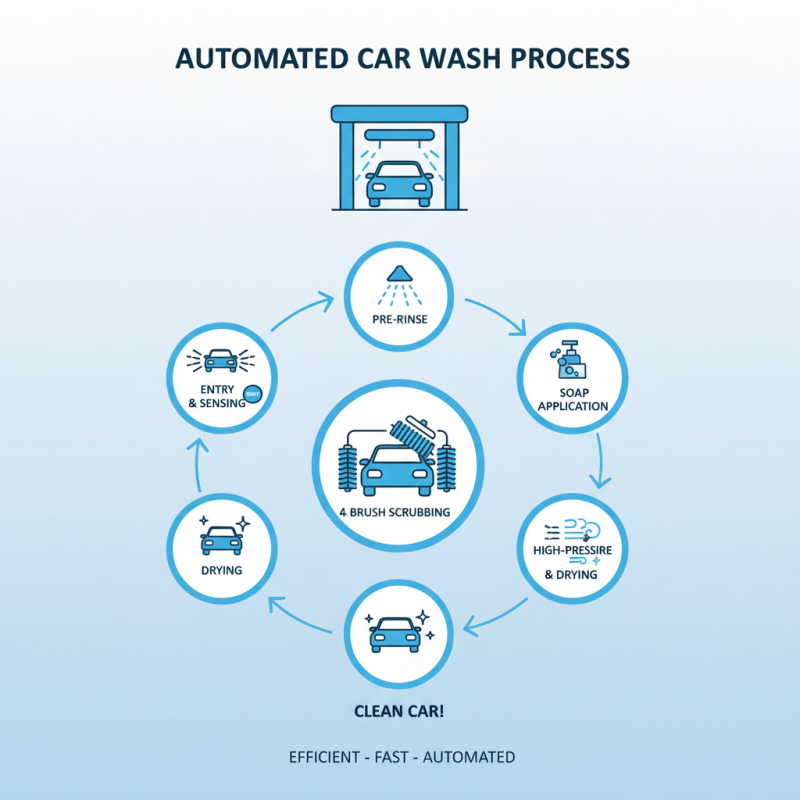
Car wash machines are fascinating pieces of equipment designed to clean vehicles efficiently. They often come equipped with brushes, high-pressure water jets, and soap dispensers. When a car enters the wash bay, sensors detect its presence. This triggers the machine to start its operation. The brushes spin rapidly, scrubbing the car’s surface to remove dirt and grime effectively.
Mechanically, these machines rely on a well-coordinated system. Water is drawn from a tank, heated, and pressurized before being released through nozzles. Detergents are mixed in just the right proportions. Some machines use foam, while others utilize sprays for soap application. This precise mixing ensures a thorough and consistent cleaning process.
However, not all machines perform perfectly. Failures can occur in the sensor system, leading to misalignment. Brushes can wear out, possibly scratching the car’s surface if not replaced on time. Regular maintenance is crucial but often overlooked. Users might find that certain spots still retain dirt, prompting thoughts on the effectiveness of these machines. Overall, while car wash machines simplify cleaning, they still have their imperfections that require awareness and attention.
Key Components of a Car Wash Machine
A car wash machine is a complex system designed to clean vehicles efficiently. Understanding its key components helps in grasping how these machines operate. One crucial part is the control system. This technology manages the entire washing process, from starting to finishing, ensuring everything runs smoothly.
Brushes are another essential component. They come in various shapes and materials. Some are soft, while others are more aggressive. The choice of brushes affects the cleaning effectiveness. Inevitably, some cars may get scratched or damaged, regardless of precautions. Regular maintenance of the brushes is vital to minimize such issues.
Water pumps and nozzles play significant roles too. They deliver water at high pressure. This pressure helps to remove dirt and grime effectively. However, excess pressure can cause paintwork to chip. It’s a delicate balance. Finally, drying systems are in place to prevent water spots. Air dryers or cloth systems are commonly used, yet some machines might leave streaks. Each part of the car wash machine contributes to the overall performance and presents unique challenges.
What is a Car Wash Machine and How Does it Work? - Key Components of a Car Wash Machine
| Component |
Description |
Function |
| Wash System |
Includes brushes and high-pressure jets |
Cleans the vehicle's exterior |
| Drying System |
Comprises blowers that remove water |
Dries the vehicle post-wash |
| Chemical Dispensing System |
Distributes cleaning agents and wax |
Enhances cleaning and protects paint |
| Control System |
Manages the operational process |
Coordinates all machine functions |
| Conveyor System |
Moves the vehicle through different wash stages |
Facilitates automated washing |
Benefits of Using Car Wash Machines for Vehicle Maintenance
Car wash machines have gained popularity for vehicle maintenance. They offer convenience and efficiency. With advancements in technology, these machines clean vehicles thoroughly and quickly. Most machines feature high-pressure water jets and brushes. Some even use advanced drying systems to leave cars spot-free.
Using a car wash machine saves time. It allows drivers to focus on other tasks while their vehicle is being cleaned. However, issues may arise. Not all car wash machines are equally effective. Some might miss spots or damage fragile surfaces. Regular inspections of the machines can help improve their performance.
Moreover, many people overlook the importance of maintaining the cleaning equipment itself. Dirty brushes or clogged nozzles can lead to subpar results. It is crucial to reflect on these aspects regularly. Understanding these imperfections can guide better choices for vehicle care. Investing time in knowing your local facilities can make a significant difference.