Discover the Best Machine Car Wash Options in China Today?
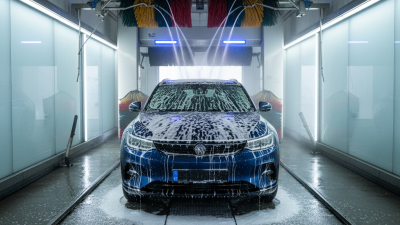
The demand for machine car wash services in China has surged in recent years. According to market research, the car wash industry is projected to grow at a compound annual growth rate (CAGR) of 12% from 2022 to 2027. This significant growth reflects a shift in consumer preferences towards convenience and efficiency. Machine car washes offer quick service and consistent results, meeting the expectations of busy urban drivers.
Despite the advantages, some consumers express concerns over the quality of machine car wash services. Issues such as inadequate cleaning or damage to paint surfaces arise occasionally. However, companies are continuously improving technology to address these challenges. Industry leaders are investing in advanced washing systems that provide better care for vehicles while maintaining eco-friendly practices.
In exploring the best machine car wash options in China, it is vital to consider various factors. These include service quality, pricing, and customer feedback. Reliable reviews from users can highlight standout services and potential pitfalls. As the market evolves, a mindful approach will ensure consumers choose the best fit for their needs.
The Evolution of Car Wash Technology in China: A Historical Overview
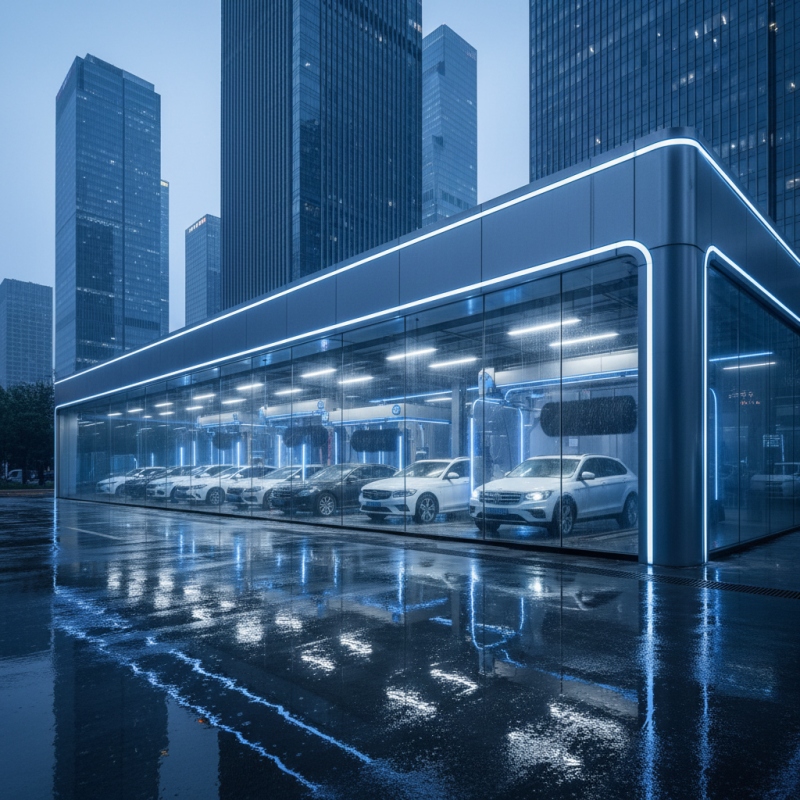
The evolution of car wash technology in China has been remarkable over the past few decades. In the early 2000s, traditional hand-washing methods dominated the market. However, data from industry reports indicate a significant shift towards automated systems. Today, approximately 70% of car washes use machines, illustrating the growing preference for efficiency and quality.
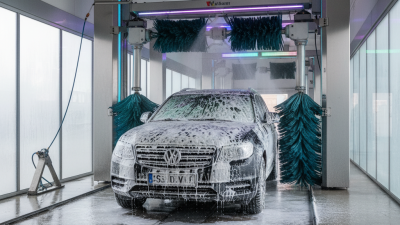
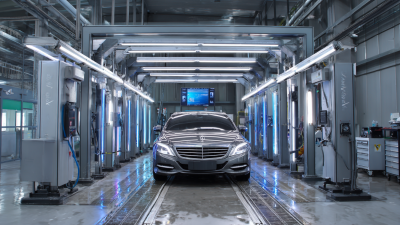
Automation has introduced a variety of washing techniques. Foam brushes and high-pressure jets now ensure vehicles are cleaned thoroughly without damaging the paint. A recent survey showed that 80% of car owners are satisfied with machine washes. They appreciate the time saved compared to manual washing. Still, there are concerns about the environmental impact and water usage involved in these automated processes.
Despite advancements, challenges remain. Not all machines can handle the diverse range of vehicle sizes and designs. Furthermore, many locations still lack a sufficient number of high-quality services. A gap in technology leads to inconsistent results, leaving some consumers dissatisfied. Continuous improvements in technology and customer feedback are essential to refining these services further.
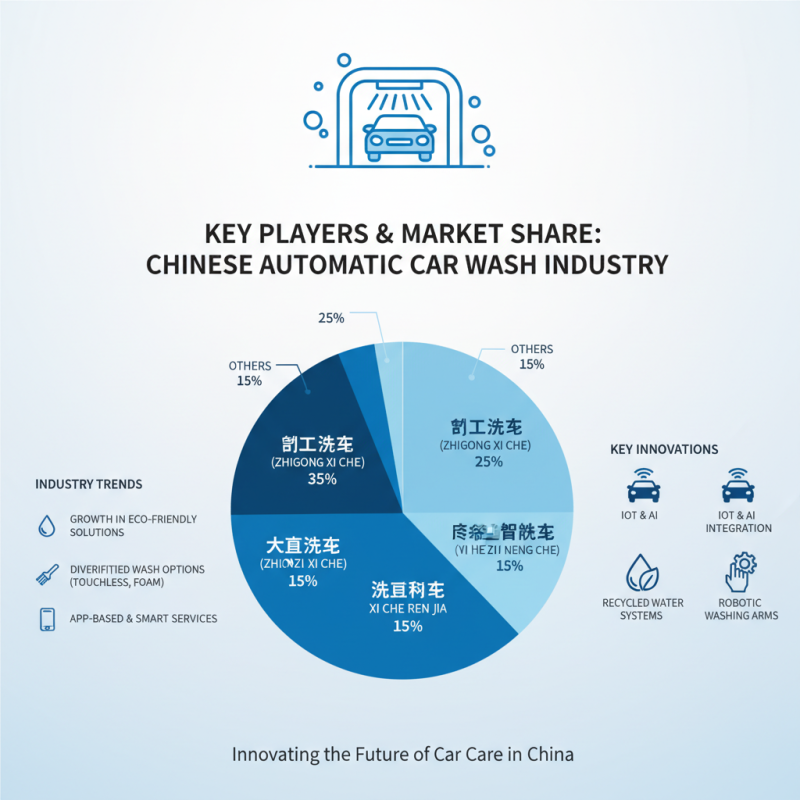
Key Players in the Chinese Automatic Car Wash Industry and Their Market Shares
The automatic car wash industry in China has seen significant growth in recent years. Several key players dominate this competitive market. Companies have expanded their services, and many now offer a variety of washing options. This includes touchless washes, foam brushes, and eco-friendly cleaning solutions.
Market shares reveal interesting trends. Some companies hold a substantial portion of the market. Others are emerging, trying to innovate and capture customers. The demand for convenience has increased, pushing companies to adapt. Many consumers prefer quick, efficient services. Yet, not all providers maintain high-quality standards. This gap in service quality creates opportunities for growth.
Understanding the market dynamics is essential for stakeholders. There is no one-size-fits-all solution in this industry. Some car washes excel in urban areas, while others thrive in rural regions. The varying consumer preferences can complicate things. Continuous improvement and feedback from customers are necessary for success. This ever-evolving landscape invites both challenges and opportunities for existing players.
Analyzing the Efficiency of Different Machine Car Wash Systems in China
In recent years, the car wash industry in China has rapidly evolved. Different machine car wash systems offer varying efficiencies. A study by the China Car Wash Industry Association reports that automatic washing systems can save up to 80% of water compared to traditional hand washes. This is a significant advantage in urban areas where water scarcity is becoming a pressing issue.
While many automatic systems are energy-efficient, not all machines are created equal. Some systems may consume excessive energy during peak use times. A recent analysis indicates that energy use can fluctuate greatly, impacting overall sustainability. It's vital for operators to choose machines with optimal energy ratings to reduce operational costs. Additionally, some machines might underperform if improperly maintained, leading to unsatisfactory washing results.
Moreover, the user experience matters. Data shows that 30% of users prefer machines that utilize eco-friendly soaps. These soap options, while gentle on vehicles, can sometimes fall short in tackling tough stains. This poses a challenge for machine manufacturers to balance eco-friendliness with cleaning power. Finding the right machine involves understanding these nuances and potential trade-offs.
Cost-Effectiveness: Comparing Traditional vs. Automated Car Wash Services
When choosing between traditional and automated car wash services, cost-effectiveness often weighs heavily on decision-making. Traditional car washes typically involve physical labor, which can lead to higher prices. Skilled workers manually wash, scrub, and dry each vehicle. This method sometimes ensures thorough cleaning but can also result in inconsistent quality depending on the staff.
On the other hand, automated car washes offer a faster, often cheaper alternative. Machines take over the cleaning process, which speeds up service and reduces labor costs. However, not all vehicles fit perfectly into machine wash systems. Certain cars may sustain minor scratches or damages. Moreover, automated systems may not reach all crevices, leaving some dirt behind.
It's essential to assess both options carefully. The price variations can be misleading, as cheaper services may compromise quality. Balancing efficiency and thoroughness is key for maintaining the appearance and longevity of your vehicle. While automated washes save time and money, traditional methods may provide a more meticulous clean. Consider your needs and make an informed choice.
Environmental Impact of Machine Car Washes: A Statistical Review in China
Machine car washes are becoming increasingly popular in China. They offer convenience and efficiency for car owners. However, there is a growing concern about their environmental impact. According to a report by the China Automotive Industry Association, approximately 80% of car washes in urban areas utilize automated systems, resulting in significant water consumption. It is estimated that machine car washes use about 150 liters of water per vehicle, which raises questions about sustainability.
One striking statistic is that these wash systems can generate large amounts of wastewater. A study by the Ministry of Ecology and Environment indicates that an average machine car wash can produce between 250 to 300 liters of wastewater in a single cycle. This water often contains detergents and other chemicals harmful to local ecosystems. Additionally, the energy consumption of automated systems is noteworthy. An average wash consumes around 2 kilowatt-hours of electricity, emphasizing the need for eco-friendly alternatives.
Despite their efficiency, the reliance on chemical detergents poses serious environmental risks. Many car washes may not adequately treat wastewater before disposal, leading to soil and water pollution. As the industry expands, there is a pressing need for stricter regulations and improved water recycling systems. Addressing these issues can enhance the environmental credibility of machine car washes while maintaining their operational efficiency.