What is the Best Fully Automated Car Wash System?
In recent years, the car wash industry has witnessed a significant shift towards automation. The “Fully Automated Car Wash” system is becoming more popular among consumers. According to a 2022 industry report, around 40% of car washes in the U.S. are fully automated. This rising trend reflects changing consumer preferences for convenience and efficiency.
Many customers now prioritize speed and consistency in their car washing experience. With just a few clicks, a fully automated car wash can clean and detail a car in under 10 minutes. However, not all systems are equally effective. Reports show that some automated systems struggle with larger vehicles. It raises questions about their adaptability.
While the technology is impressive, some users express concerns about the cleaning quality. A fully automated system may miss spots or not effectively remove tough grime. Many consumers find themselves searching for a balance between automation and thorough cleaning. As the industry evolves, improving these systems should remain a priority for manufacturers and operators alike.
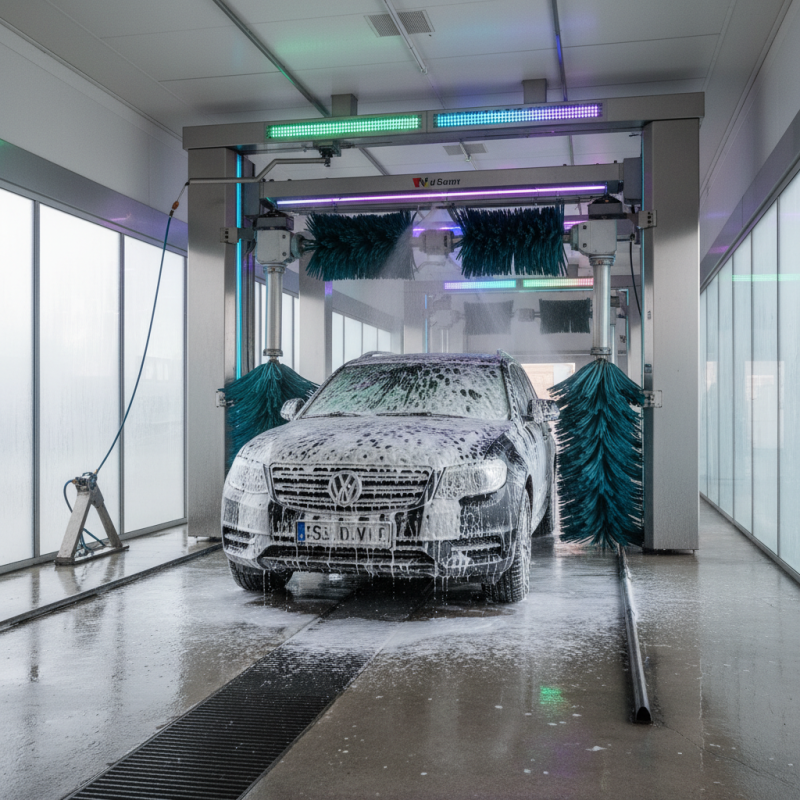
Overview of Fully Automated Car Wash Systems
Fully automated car wash systems have transformed vehicle maintenance in recent years. The efficiency is striking. According to industry reports, these systems can wash a vehicle in under 5 minutes. This rapid service attracts customers who value time. A study shows that over 70% of car owners prefer swift services over manual options.
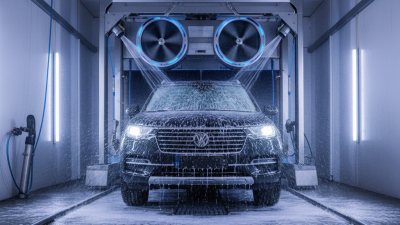
These systems often utilize advanced technology. Many employ touchless mechanisms that minimize scratches. Sensors guide the process to ensure thorough cleaning. However, there are still concerns. Some users report that not all areas of the vehicle are cleaned adequately. Limited options for customization can lead to dissatisfaction.
Despite these drawbacks, the market is growing. The International Carwash Association notes that automated washes account for 20% of the total car wash industry revenue. This number is expected to increase. As technology advances, automated systems could become even more efficient. However, operators must continuously assess customer feedback to improve their services.
Key Features to Consider in a Car Wash System
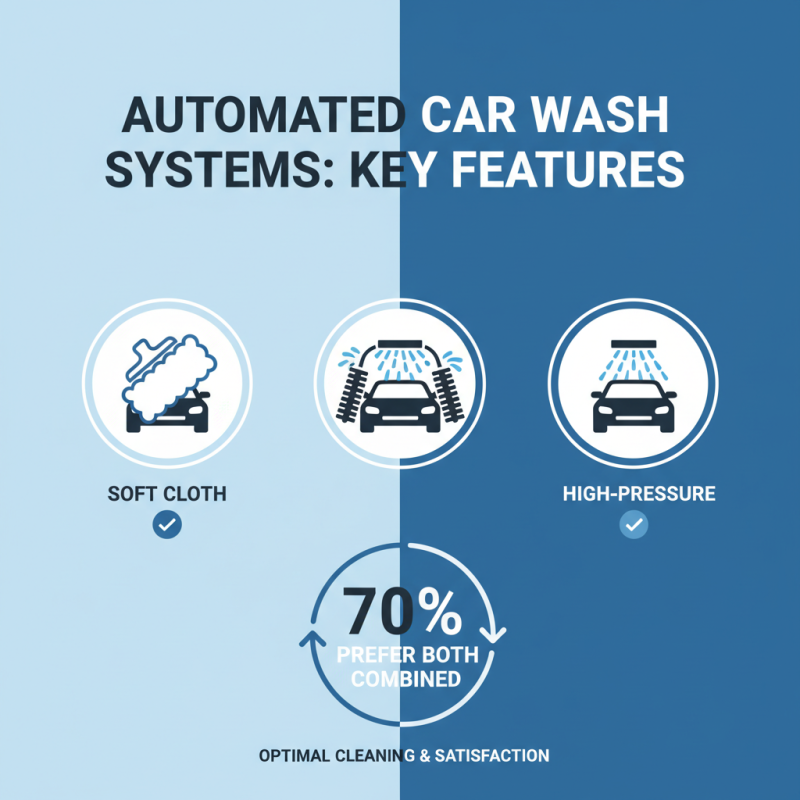
When selecting a fully automated car wash system, key features play a vital role in enhancing efficiency and customer satisfaction. One of the primary considerations is the type of cleaning technology employed. Systems using soft cloths tend to provide a gentle wash. In contrast, high-pressure wash systems deliver a more vigorous cleansing experience. According to industry reports, nearly 70% of users prefer systems that combine both techniques for optimal results.
Water efficiency is another critical feature. An efficient car wash system should minimize water usage while still delivering a thorough clean. Studies have shown that automated washes can use up to 60% less water than washing cars at home. This not only benefits the environment but also translates to reduced operational costs.
Tips: Regularly maintain your car wash system. Checks on nozzles and brushes ensure a consistent level of cleanliness. Do consider the layout of the wash bay. An optimal space can enhance workflow. An inefficient layout may lead to bottlenecks and longer wait times, frustrating customers. Aim for smooth operation to keep patrons returning.
Choosing the right system requires careful thought. Each feature comes with advantages and potential drawbacks. Balance your priorities—performance, cost, and customer convenience. Your choice reflects your commitment to quality service and eco-friendliness.
Top Fully Automated Car Wash Brands in the Market
When considering the best fully automated car wash systems, several brands stand out in the market. These systems often feature advanced technology that allows vehicles to be cleaned quickly and efficiently. Many models include soft-touch brushes that gently scrub the surface while reducing the risk of scratches. Some systems use high-pressure water jets and environmentally friendly soap solutions for a thorough clean.
Despite their effectiveness, automated car washes may not always be perfect. Many users notice that certain areas, like the rims or undercarriage, may not receive the same level of attention. Occasionally, water spots can remain if the drying process isn’t optimal. It's essential for car owners to examine the results and even consider re-washing troublesome areas when needed.
Brands often differ in their cleaning techniques and technology. Some emphasize speed, while others focus on thoroughness. Customers should reflect on their priorities, whether it’s a speedy wash or meticulous care. Every option has its strengths and weaknesses. Ultimately, choosing a system comes down to personal preferences and needs.
Best Fully Automated Car Wash System Comparison
Comparative Analysis of Different Car Wash Technologies
When exploring different car wash technologies, several key systems dominate the market. Touchless car washes are popular for their efficiency and gentleness on the vehicle surface. They use high-pressure water jets and chemical cleaners, reducing the risk of scratches. According to industry reports, touchless systems can save up to 50% more water than traditional methods. However, the cleaning effectiveness might vary based on dirt level and machine calibration.
On the other hand, friction car washes employ soft brushes and foam. These systems provide a thorough clean but can pose a risk of swirls and scratches if not maintained properly. A study by the International Carwash Association highlighted that nearly 40% of customers reported concerns regarding paint damage from friction systems. This raises questions about the balance between thoroughness and safety.
Emerging technologies, like automated rollovers with advanced sensors, show promise. They adapt cleaning methods based on each vehicle's profile. Yet, some experts caution about the reliability of sensors, especially in older models. These systems could sometimes struggle with accurate detection, leading to inconsistent results. As the industry evolves, continuous innovation is essential for improving both cleaning effectiveness and vehicle safety.
Maintenance and Operational Tips for Automated Car Wash Systems
Maintaining an automated car wash system is crucial for its longevity and efficiency. Regular inspections should be a priority. Look for signs of wear on brushes and jets. Over time, these components can cause uneven cleaning. A failing mechanism may lead to customer complaints and reduced satisfaction. Scheduling routine maintenance can prevent costly repairs.
Operational tips also help optimize performance. Train staff thoroughly to manage the system effectively. They should understand how to calibrate settings and troubleshoot common issues. Simple tasks like resetting the software or checking fluid levels can make a big difference. Sometimes, forgetting to keep the water and chemical tanks full leads to poor wash quality. Staff need to stay vigilant.
Additionally, consider the environmental impact of your operations. Use eco-friendly cleaning solutions when possible. Some customers prefer greener options. Balancing efficiency and sustainability might require rethinking processes. Regular feedback from customers can guide improvements. They may identify problem areas you hadn’t noticed. Always be open to learning.
What is the Best Fully Automated Car Wash System? - Maintenance and Operational Tips for Automated Car Wash Systems
| Feature |
Importance |
Maintenance Tips |
Operational Tips |
| Touchless Technology |
Prevents scratches on vehicles |
Regularly check and clean sensor systems |
Monitor water pressure for optimal cleaning |
| Automatic Drying Systems |
Ensures streak-free finish |
Inspect drying components regularly |
Adjust fan speed based on climate |
| Water Recycling |
Saves water and reduces costs |
Regularly clean filters for efficiency |
Monitor water quality to ensure effectiveness |
| Foam Applicators |
Provides thorough cleaning |
Check for even foam distribution |
Adjust chemical feed rates as needed |
| Payment Systems |
Enhances customer convenience |
Keep software updated for smooth transactions |
Offer multiple payment options to customers |