2026 Best Automatic Semi Truck Wash Solutions Explained
The trucking industry plays a vital role in the economy, transporting over 70% of freight in the U.S. Efficient cleaning methods for semi trucks are essential. An "Automatic Semi Truck Wash" provides a time-saving solution for fleet operators. It can reduce labor costs and increase wash frequency, leading to better vehicle maintenance.
According to industry reports, a clean truck can improve fuel efficiency by up to 10%. This figure emphasizes the importance of regular washing. However, not all automatic wash systems are created equal. Some may fail to clean effectively or might also damage the truck’s surface.
Investing in high-quality automatic truck washes is crucial. Operators must understand their options and the specific needs of their fleet. Balancing efficiency and safety is key. With the right solution, fleets can thrive in a competitive market, enhancing performance through improved cleanliness.
Overview of Automatic Semi Truck Wash Solutions
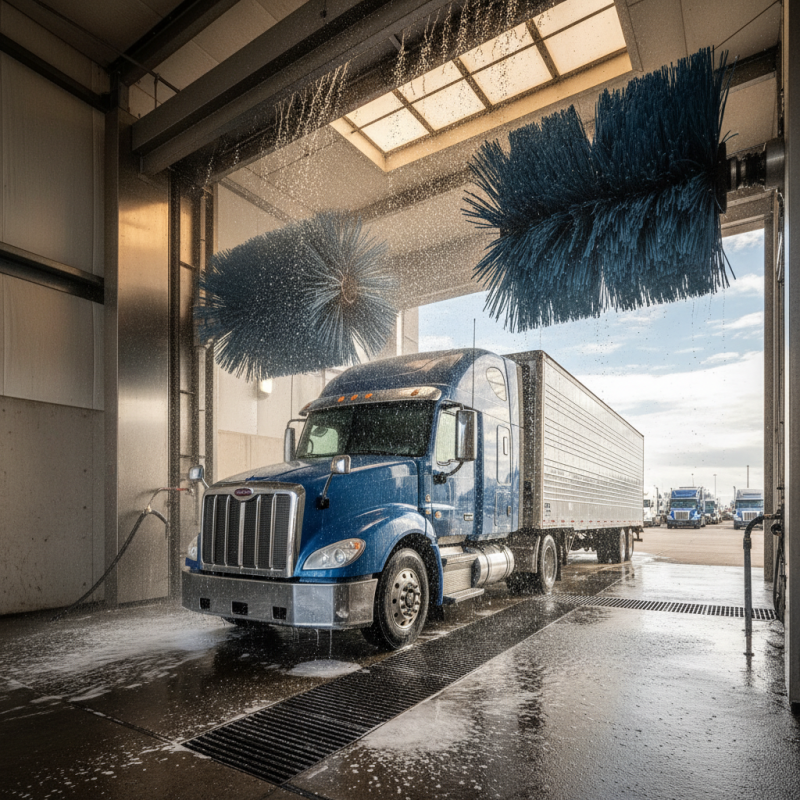
Automatic semi truck wash solutions are transforming the transportation industry. These systems can save time and labor while providing a consistent clean for heavy-duty vehicles. They use advanced technology to ensure thorough washing. A variety of automated systems exist, catering to diverse needs and budgets.
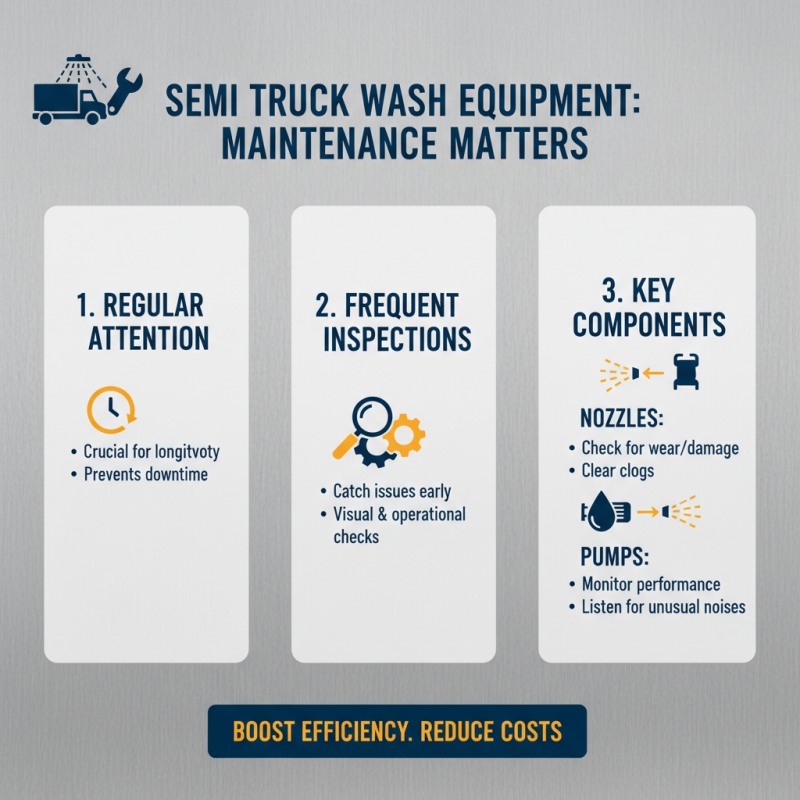
When choosing a wash solution, consider the layout of your facility. Space can limit the type of equipment you can install. Some systems may not fit well in tighter environments, impacting efficiency. Regular maintenance is crucial. Even the best systems require upkeep to perform optimally. Neglecting maintenance can lead to costly repairs and downtime.
Tips: Make a plan for regular inspections. This keeps your equipment in top shape. Consider staff training on system use. Knowledgeable operators can maximize efficiency. Keep an eye on water usage as well. Some systems are more eco-friendly than others. Balancing cost and sustainability is vital. Choosing the right system requires research and foresight.
Key Features of Modern Semi Truck Wash Systems
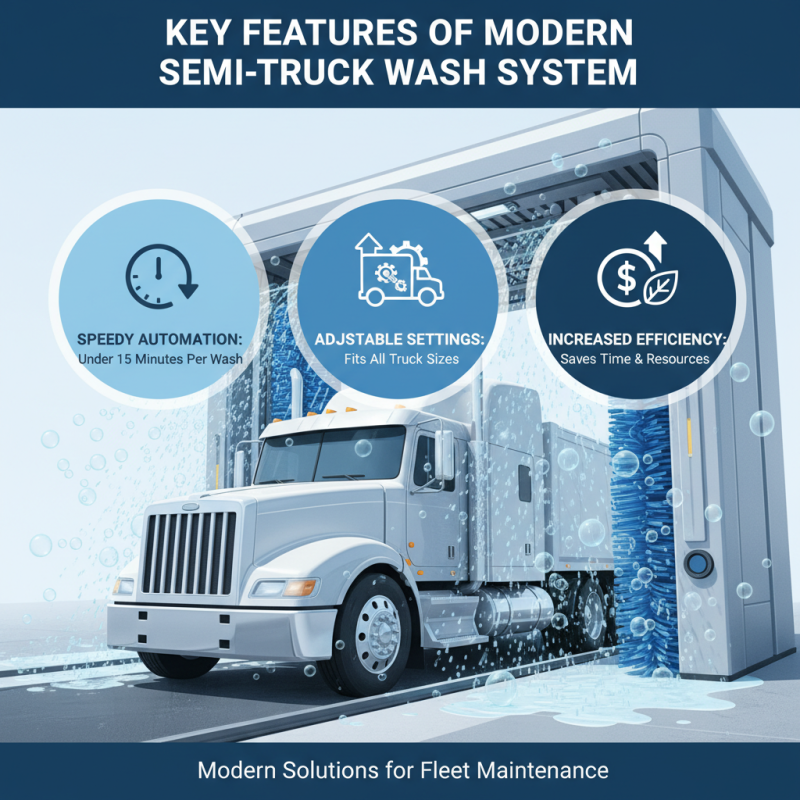
When considering modern semi truck wash systems, several key features stand out. Efficiency is one of the most critical factors. Many systems utilize automated processes that can clean a truck in under 15 minutes. This saves time for drivers and fleet operators. Additionally, these systems often have adjustable settings for different truck sizes. This flexibility ensures a thorough clean for all types of semi trucks.
Another important feature is the use of eco-friendly cleaning solutions. Many modern washes now implement biodegradable detergents and recycling systems for water. This reduces environmental impact significantly. Better yet, they often have sensors that optimize water usage, minimizing waste. This aspect aligns with growing sustainability efforts in the trucking industry. However, maintenance of these features requires diligence. Regular checks on the systems help prevent costly repairs and service interruptions.
Tips: Regularly inspect your wash system for wear and tear. Small leaks can cause unnecessary water loss. Test different cleaning solutions to find the most effective one. Not all systems are the same, so what works for one may not work for all. Streamlined operations depend on your willingness to adapt and optimize your processes.
Comparison of Leading Brands in Automatic Truck Washing
When it comes to automatic semi truck washing, choosing the right solution can be daunting. With emerging technologies, brands are innovating their offerings. As you explore options, it's essential to compare features, efficiency, and price. Some models boast faster wash cycles, while others emphasize eco-friendly practices.
Tips: Remember to consider the water recycling capabilities of each system. Efficient water use not only saves costs but also supports environmental sustainability.
Also, check user reviews that highlight real-life experiences. Some users mention that certain models struggle with larger trucks. It’s essential to evaluate how well a selected solution can handle your fleet's specific needs. Some features may sound appealing but might not fit well with your operational workflow.
Tips: Don't overlook maintenance requirements. A complex system might appear advantageous initially, but can become a hassle over time. An easy-to-maintain solution can save you time and money in the long run. Balancing these factors will help you make an informed decision.
2026 Best Automatic Semi Truck Wash Solutions Explained - Comparison of Leading Brands in Automatic Truck Washing
| Feature |
Option 1 |
Option 2 |
Option 3 |
Option 4 |
| Washing Time |
10 minutes |
8 minutes |
12 minutes |
9 minutes |
| Water Consumption |
100 gallons |
80 gallons |
120 gallons |
95 gallons |
| Power Requirements |
15 kW |
12 kW |
18 kW |
14 kW |
| Surface Finish |
Soft Cloth |
Brushless |
Dual Foam |
High Pressure |
| Automation Level |
Fully Automated |
Semi-Automated |
Manual Entry |
Fully Automated |
| Average Cost |
$50,000 |
$40,000 |
$55,000 |
$45,000 |
Future Trends in Truck Washing Technology and Sustainability
The future of truck washing technology
leans heavily on sustainability. More companies are prioritizing eco-friendly practices.
Water recycling systems are becoming standard.
These systems minimize waste and conserve resources. In a sector known for high water usage, this shift is crucial.
Moreover, advancements in automated washing solutions enhance efficiency.
These machines use less water and energy compared to traditional methods. They also combine various cleaning technologies.
High-pressure jets, biodegradable detergents, and foam applications are essential elements.
However, some systems struggle with thorough cleaning, leaving dirt behind.
Sustainability in truck washing isn't just about technology.
It’s also an ongoing conversation about methods and materials. Industry players must address potential shortcomings.
Regular assessments and upgrades are necessary. Adopting flexible, innovative practices can significantly enhance the process.
As sustainability evolves, so will the expectations from customers and regulators alike.