10 Best Automated Truck Wash Solutions for a Spotless Shine?
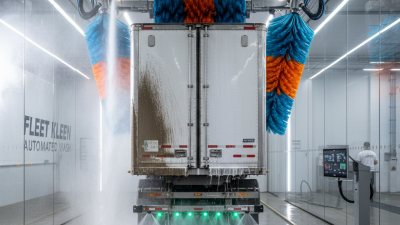
In the trucking industry, maintaining a clean vehicle is crucial. An expert in the automated cleaning sector, John Thompson, states, “A spotless truck reflects professionalism and care.” This highlights the importance of using an Automated Truck Wash system.
Automated Truck Wash solutions are growing in popularity. Companies are increasingly investing in these technologies. They offer efficiency and reliability, essential for fleet management. Many solutions deliver a deep clean while saving time and labor costs. Operators often see significant benefits, but not all systems offer the same quality.
Yet, there are challenges. Some Automated Truck Wash systems may not perform consistently. A system that works well for one business might fail another's needs. Choosing the right solution requires careful consideration of specific requirements. It is essential to research and test various options to find the best fit. With the right technology, the goal of a spotless shine is achievable, enhancing both image and performance.
Top Features to Look for in Automated Truck Wash Systems
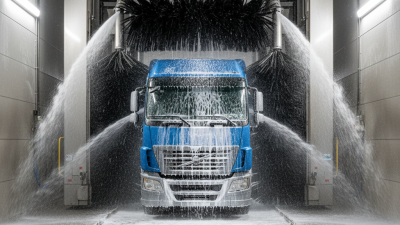
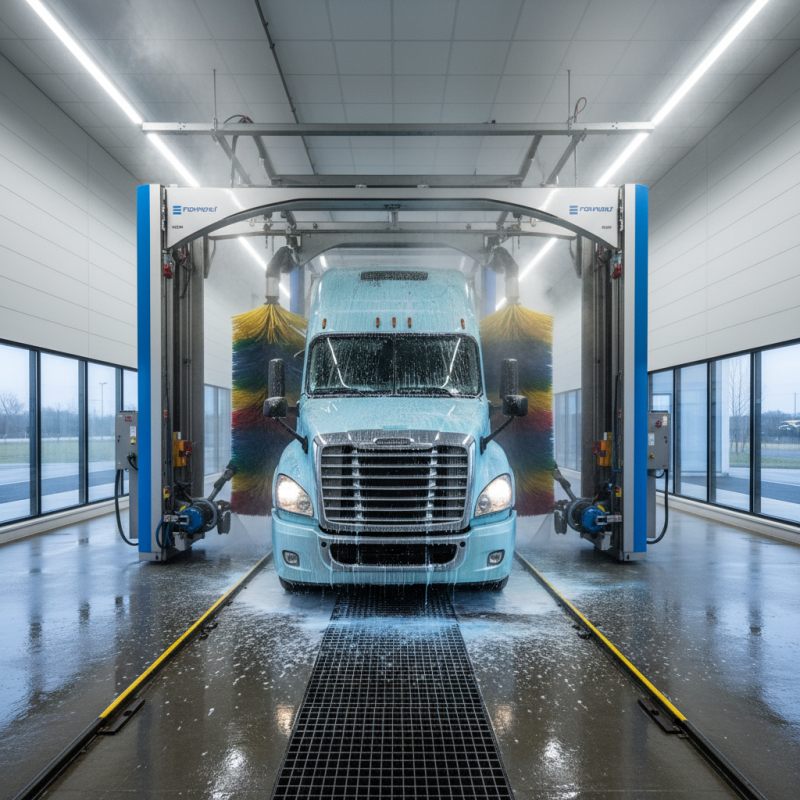
When choosing an automated truck wash system, it’s essential to consider key features that influence performance. One important aspect is the wash technology used. Advanced systems often utilize foam and high-pressure jets to ensure thorough cleaning. Foam clings better to surfaces, effectively loosening grime and dirt.
Another crucial feature is the speed of the wash cycle. Efficiency matters, especially in busy operations. Look for systems that clean quickly without sacrificing quality. Automated solutions with adjustable wash times can cater to various vehicle sizes and dirt levels.
Tips: Regular maintenance of your truck wash system prolongs its life. Neglect can lead to inefficiencies and higher costs. Monitor the water quality to avoid scaling issues within the system. Invest in training for personnel to maximize the system's potential.
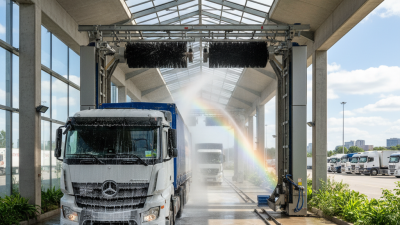
Lastly, consider the space required for installation. Some systems need more room for equipment than you might expect. It’s worth assessing your site layout before making a decision. Choose a system that fits well within your operation without obstructing workflow.
Comparison of Different Automated Truck Wash Technologies
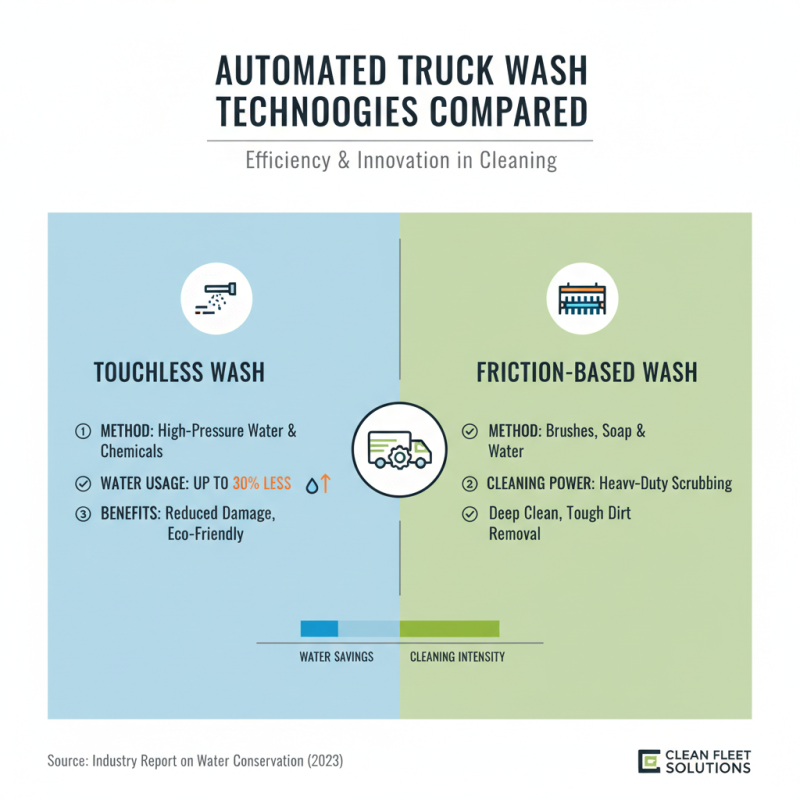
The landscape of automated truck wash technologies has evolved rapidly. Different systems offer various cleaning methods, including touchless and friction-based washes. A recent industry report states that touchless systems can reduce water usage by up to 30%. This is crucial as regulations on water consumption tighten globally.
Friction-based systems typically provide a thorough clean. Yet, they may risk surface damage with heavy usage. According to detailed research, about 15% of truck operators notice paint chipping over time with aggressive brushes. Careful material selection for brushes is essential for maintaining vehicle integrity.
Furthermore, automated systems often integrate sensors for performance monitoring. This adds a layer of reliability that manual washes lack. Industry experts suggest that proper maintenance of these systems can enhance their lifespan by 20%. Even with notable advances, continuous evaluation and adaptation are critical to meeting the evolving needs of logistics companies.
Benefits of Regular Truck Washing for Fleet Maintenance
Regular truck washing is essential for fleet maintenance. A clean truck not only enhances appearance but also improves performance. According to a report by the American Trucking Association, a clean vehicle can lead to a 10% increase in fuel efficiency. Dirt and grime on a truck's surface can create drag, which affects its performance and operational costs.
Furthermore, maintaining cleanliness helps in identifying issues early. Regular washes allow fleet managers to spot rust, leaks, or other mechanical problems. Neglecting this routine can lead to expensive repairs down the line. A study from the Fleet Maintenance Institute noted that 30% of maintenance costs arise from inadequate vehicle upkeep.
It's easy to underestimate the impact of dirt. Even minor build-up can lead to significant issues. A spotless truck can reflect a company's professionalism and commitment to quality. Regular washing should be viewed as an investment in the fleet's longevity and efficiency, not just as a task on the to-do list.
10 Best Automated Truck Wash Solutions for a Spotless Shine
This chart compares the effectiveness of different automated truck wash solutions based on the cleanliness score given by users, rated on a scale from 1 to 10. Regular truck washing is essential for fleet maintenance, helping to prolong the life of vehicles and optimize performance.
Cost Analysis of Automated Truck Wash Solutions
Automated truck wash solutions have become increasingly popular due to their efficiency. However, understanding the costs associated with these systems is crucial for truck fleet managers. The initial investment for these systems can be significant, often ranging between tens of thousands to millions of dollars, depending on the model and capacity. Additionally, maintenance costs should not be overlooked. Regular upkeep is vital to ensure longevity and optimal performance.
Moreover, water usage and energy consumption are also key factors in cost analysis. Automated washes may consume more water than traditional methods. Though they may save time, they can have a higher operational cost over time. Fleet managers should calculate the potential return on investment by assessing the overall efficiency and time saved against running costs. Assessing the effectiveness of different systems might involve trial runs or consultations with existing users.
While the technology continues to improve, some automated systems may not clean as effectively in all conditions. Users sometimes report missed spots, especially in hard-to-reach areas. This inconsistency calls for ongoing evaluation and adjustment. Investing in an automated wash system requires a balance between cost and effectiveness, along with a commitment to regular reassessment.
10 Best Automated Truck Wash Solutions for a Spotless Shine - Cost Analysis
| Solution |
Type |
Average Cost ($) |
Wash Time (minutes) |
Capacity (trucks/hour) |
| Touchless System |
Automatic |
15,000 |
5 |
12 |
| Roll-Over Brush |
Hybrid |
20,000 |
7 |
10 |
| In-Bay Rollover |
Automatic |
18,000 |
6 |
15 |
| Self-Service Wash |
Manual |
10,000 |
8 |
8 |
| Mobile Wash Unit |
Service |
25,000 |
20 |
5 |
Environmental Considerations in Automated Truck Washing Practices
Automated truck washing offers efficiency, but it raises environmental questions. Water usage is a primary concern. Traditional methods can waste thousands of gallons on a single wash. This prompts the need for better water recycling systems. These systems can capture, filter, and reuse water, reducing overall consumption. It's essential to design washes with sustainability in mind.
Chemical usage is another critical factor. Many automated washes employ harsh detergents. These chemicals can harm local ecosystems if not managed properly. On the flip side, greener alternatives exist. Biodegradable soaps can achieve clean results without damaging the environment. Truck wash operators must choose products wisely for a safer wash.
It's also necessary to consider wastewater management. Proper disposal is often overlooked. Truck wash facilities generate contaminated runoff that can pollute waterways. Implementing effective filtration can minimize this risk. Regular assessments of cleaning processes can reveal areas for improvement.
Balancing efficiency and environmental responsibility is vital in automated truck washes. This ongoing reflection promotes better practices for the industry.