Best Automated Car Wash Solutions for Global Buyers?
Automated Car Wash solutions have become pivotal in the global automotive service industry. As reported by IBISWorld, the car wash industry generates over $10 billion in revenue annually in the United States alone. This demonstrates a growing consumer preference for convenience and efficiency. Automated systems reduce labor costs and increase throughput, addressing the high demand for quick and effective car cleaning.
The shift towards Automated Car Washes reflects advancements in technology. Many consumers now expect faster service without compromising quality. A report from Market Research Future indicates a projected growth rate of 4.5% annually for automated car wash systems, highlighting the rising investments in this area. However, some providers still face challenges related to equipment maintenance and customer satisfaction.
Reflecting on industry trends, it is essential to recognize that not all automated solutions are created equal. Quality varies widely among suppliers, requiring buyers to evaluate options carefully. Investing in the right system can greatly impact a business's bottom line and customer loyalty, making it crucial for stakeholders to stay informed and reflective on market developments.

Latest Innovations in Automated Car Wash Technology
The automated car wash industry is rapidly evolving, driven by technological advancements. According to a recent market report, the global automated car wash market is projected to grow by 12% annually. This growth is primarily due to the increasing demand for efficient and accessible car cleaning solutions.
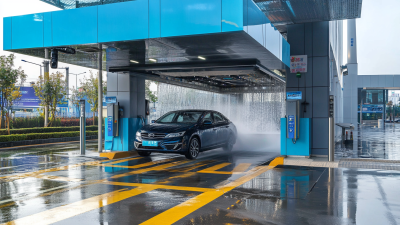
Recent innovations include touchless wash technology, which reduces the risk of scratching the vehicle’s surface. Sensors now enable precise water spray patterns, optimizing water usage while maintaining a high standard of cleanliness. Additionally, the integration of eco-friendly cleaning agents has gained traction. These not only protect the car's paint but also minimize environmental impact.
Despite these advancements, challenges remain. Many consumers are skeptical about the effectiveness of automated systems compared to traditional hand washes. Some systems still struggle with hard-to-reach areas, leaving dirt behind. Continuous improvements in design and technology must address these concerns to meet customer expectations fully. Automated car washes must balance efficiency with thoroughness to build trust and improve user satisfaction.
Key Features to Look for in Automated Car Wash Systems
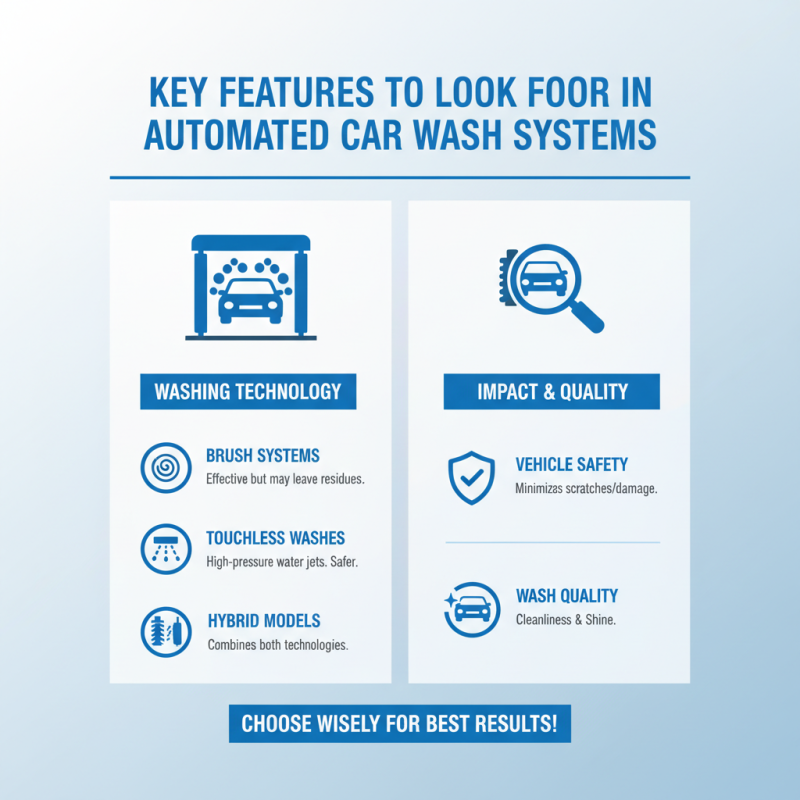
When considering automated car wash systems, several key features stand out. One essential aspect is the washing technology employed. Options include brush systems, touchless washes, and hybrid models. Each technology impacts the wash quality and vehicle safety. Touchless systems often use high-pressure water jets, while brush systems may leave residues. Understanding these differences can guide buyers toward effective choices.
Another vital consideration is the system's efficiency. A model should minimize water and energy usage while providing a thorough clean. Efficient systems often incorporate recycling features that reduce waste. Buyers should seek machines with quick cycle times. However, speed should not compromise wash quality. Balancing these factors is crucial for a successful investment.
Lastly, maintenance capabilities influence long-term performance. Systems that are user-friendly and straightforward to service can save time and costs. Regular maintenance prevents breakdowns. However, the initial complexity of some models might deter potential buyers. Assessing user experiences can help in making informed decisions about reliability and ease of use.
Comparative Analysis of Popular Automated Car Wash Brands
When exploring automated car wash solutions, buyers face numerous options. Each brand offers unique features, catering to diverse needs. Understanding these differences can make a significant impact on your choice.
For instance, some systems prioritize water conservation, making them eco-friendly. Others focus on speed and efficiency, appealing to busy customers. However, the reliability of the technology varies. Some users report frequent breakdowns, while others praise durability. It's critical to read user reviews for insights into performance over time.
**Tip:** Pay attention to customer feedback before purchasing. This serves as a valuable resource for understanding real-world implications.
Another area to consider is maintenance. Regular upkeep can prevent costly repairs and prolonged downtime. While some units are marketed as low maintenance, they may still require regular checks. It’s beneficial to ask current users about their experiences with maintenance tasks.
**Tip:** Consider investing in additional training for staff. This can enhance the effectiveness of the car wash process.
In conclusion, making an informed decision involves weighing features, user experiences, and maintenance needs. Balancing these factors will lead to a satisfactory purchase in the long run.
Best Automated Car Wash Solutions for Global Buyers
| Specification |
Option 1 |
Option 2 |
Option 3 |
Option 4 |
| Wash Time (Minutes) |
5 |
7 |
4 |
6 |
| Cleaning Technology |
Touchless |
Soft Cloth |
High Pressure |
Hybrid |
| Chemical Usage |
Biodegradable |
Eco-Friendly |
Traditional |
Eco-Friendly |
| Drying Method |
Air Dry |
Heated Blowers |
Touch-Free |
Blower & Cloth |
| Average Cost (USD) |
15 |
20 |
12 |
18 |
| Maintenance Frequency (Months) |
6 |
8 |
4 |
6 |
Understanding the Global Market Trends for Automated Car Wash Solutions
The global automated car wash market is witnessing significant growth. According to a recent report by Market Research Future, the market is expected to expand at a compounded annual growth rate (CAGR) of 4.2% from 2021 to 2027. This increase is driven by rising vehicle ownership and a growing emphasis on convenience among consumers. Automated car washes provide a quick, efficient solution for maintaining vehicle cleanliness, appealing to time-conscious customers.
As consumer preferences evolve, the demand for eco-friendly wash systems is on the rise. Many buyers are looking for solutions that utilize less water and environmentally safe detergents. The Green Car Wash Report highlights that 30% of car wash operators are now adopting sustainable practices. However, challenges remain. For instance, integrating advanced technologies can require significant upfront investment. Smaller players may struggle to keep up with evolving standards and consumer expectations.
With technological advancements, the industry is also focusing on enhancing user experience. Touchless systems are gaining traction, catering to drivers who seek gentler options for their vehicles. However, the transition to automated systems isn't solely smooth. Some consumers express concerns about the effectiveness of touchless washes in removing heavy dirt. Thus, manufacturers must balance efficiency and customer satisfaction while addressing these gaps in service.
Cost-Effectiveness of Investing in Automated Car Wash Equipment
Investing in automated car wash equipment can significantly impact profit margins. When evaluating cost-effectiveness, one must consider initial costs, maintenance, and potential revenue. Many buyers focus purely on upfront expenses. However, long-term savings may outshine initial investments. Automated systems often reduce labor costs and increase washing efficiency. This is vital for maximizing throughput.
Customer experience matters as well. Automated systems can deliver consistent quality. This reliability can draw in repeat customers. Yet, the technology also requires careful management to avoid downtime. Maintenance routines are crucial. Neglect can lead to costly repairs and lost business. Addressing these areas requires ongoing investment. Owners must remain vigilant.
Market demand is evolving. Consumers seek fast and efficient services. Automated car wash solutions meet these needs. However, understanding local demographics is key. Not all areas will benefit equally. Testing and adjusting can enhance service offerings. Data-driven decisions can guide improvements. This is a constant process, requiring dedication to adapt and thrive.