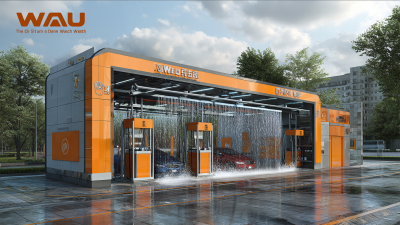
In today’s competitive trucking industry, maintaining fleet integrity is crucial. An Automated Truck Wash provides an effective solution. These systems save time and resources for companies managing large fleets. Manual washes can be inconsistent and time-consuming. A well-maintained truck fleet improves the company’s image.
Automated Truck Wash systems ensure that every vehicle gets a thorough clean. They can remove dirt, grime, and harmful contaminants. This helps in extending the lifespan of trucks. Fleet managers often find that cleanliness impacts their operational efficiency. However, some might question the initial investment. Not realizing the long-term benefits can lead to missed opportunities.
While Automated Truck Wash systems offer many advantages, it’s essential to evaluate them carefully. Each fleet has different needs. What works for one company might not for another. This reflection is necessary to maximize the potential of Automated Truck Wash systems.
Automated truck wash systems offer significant time efficiency for fleet management. These systems reduce wash time considerably. Instead of manual washing, a truck can be cleaned in under 30 minutes. This efficiency allows drivers to return to the road faster, minimizing downtime. Fleets can maximize their operational hours, ultimately increasing productivity.
Making the shift to automation can feel daunting. Consider training staff to operate these systems effectively. Regular maintenance of the wash equipment is essential. Neglecting this may lead to longer wait times or inefficient washes. Implement a schedule to check all components frequently.
Invest in a strategic location for the wash system. Accessibility is key. Trucks should enter and exit smoothly. A well-planned layout can speed up operations. Communication among the team during washing can further enhance effectiveness. Each detail in the process counts. Ensure everyone is aware of their roles. This collaborative approach plays a major role in improving overall efficiency.
Automated truck wash systems offer significant labor savings in fleet washing operations. Traditional methods often require teams of workers. These workers use hoses, brushes, and chemicals to clean vehicles. This process demands a lot of time and effort. With automated solutions, tasks are streamlined. Machines handle the heavy lifting, allowing for quicker wash cycles.
Fleet managers face many challenges. Labor costs continue to rise. Finding skilled labor isn’t easy. Automated washing systems tackle these issues. They can reduce the workforce needed for washing. Fewer workers mean lower overhead costs. The efficiency of these systems can also lead to better results. Trucks are cleaned more thoroughly and consistently.
However, transitioning to automated systems isn’t without its challenges. Initial setup costs can be high, leading to hesitation. Also, maintenance of these systems is crucial. Automated systems must be regularly checked for operational efficiency. Some fleets may find it tough to adapt to this technology. The upfront investment can feel daunting, but sustainable savings could follow.
Automated truck wash systems are pivotal for fleet management, particularly in enhancing vehicle longevity. Regular maintenance is vital. Studies show that clean vehicles have a 30% longer lifespan than those that aren't maintained properly. Dirt and contaminants can lead to corrosion and damage, which is costly.
Automated systems operate efficiently and can wash multiple trucks in a short period. This reduces idle time and ensures that trucks are always road-ready. A report from the Fleet Maintenance Association highlighted that fleets using automatic washes decreased and prevented repairs by 20%. However, some operators may overlook the importance of consistent washing, leading to unexpected issues.
Moreover, while these systems offer convenience, not all automated washes ensure thorough cleaning. Thus, it’s essential to evaluate the technology used in such systems. Many fleets believe they are saving money by delaying washes, but ultimately, that can backfire. Regular automated washing not only maintains aesthetics but also protects investment.
Keeping a fleet of trucks clean enhances its overall aesthetics and brand image significantly. Clean trucks attract more attention on the road. A recent industry report found that 80% of consumers judge businesses by their vehicle appearance. This means a dirty truck could hurt a company's reputation. Fleet managers must consider that perception matters. A truck's cleanliness can influence customer trust and loyalty.
Automated truck wash systems offer consistency in maintaining a fleet's appearance. They reduce labor costs while improving wash quality and speed. Advanced systems can clean a truck in as little as 10 minutes. This efficiency leads to less downtime for trucks, allowing fleets to operate more effectively. Moreover, regular cleaning can prevent corrosion and extend the lifespan of the vehicles. A study indicated that regular washing can save up to 20% in maintenance costs.
Investing in these systems may seem steep initially. However, the long-term benefits outweigh the costs. A neat, clean fleet not only projects professionalism but also enhances the brand image. Companies can create a strong visual identity, ensuring they stand out in a competitive market. While the focus is often on logistics or fuel efficiency, never underestimate the power of a clean truck.
Automated truck wash systems offer numerous environmental benefits. These systems reduce water usage significantly, allowing for efficient cleaning processes. Traditional washing can waste hundreds of gallons per vehicle. In contrast, automated systems recycle water, minimizing waste. This is crucial in areas with water scarcity.
Moreover, automated washes often utilize eco-friendly detergents. These detergents break down easily and don't harm the environment. They help in reducing chemical runoff that can contaminate local water sources. However, some facilities still rely on harsher chemicals. This inconsistency raises questions about overall sustainability.
Another aspect is the energy efficiency of automated systems. Many use renewable energy sources for their operations. But not every facility makes this switch. The transition to more sustainable practices requires commitment. Facilities must evaluate their current systems critically. The industry can benefit from adopting greener solutions while reflecting on current shortcomings.
| Benefit | Description | Environmental Impact | Cost Efficiency |
|---|---|---|---|
| Water Conservation | Uses less water than traditional wash methods. | Reduces water waste and promotes sustainability. | Lower water bills due to reduced usage. |
| Time Efficiency | Faster cleaning times with automated systems. | Less idle time for vehicles, reducing emissions. | Increased productivity through quicker turnaround. |
| Consistent Quality | Uniform cleaning results with each wash. | Ensures minimal use of harmful chemicals. | Reduces costs related to re-washing. |
| Reduced Labor Costs | Less manual labor needed for cleaning. | Less human intervention means fewer errors. | Saves on labor expenses in the long run. |
| Enhanced Safety | Minimizes accidents related to cleaning operations. | Cleaner vehicles promote safer roads. | Reduced liabilities from accidents or damages. |
| Reduced Chemical Use | Less reliance on harsh cleaning chemicals. | Lower environmental pollution and runoff. | Savings on purchasing cleaning products. |
| Improved Brand Image | Clean fleets enhance company reputation. | Promotes commitment to environmental responsibility. | Attracts customers conscious about sustainability. |
| Longevity of Fleet | Regular cleaning increases vehicle lifespan. | Less damage from corrosion and dirt buildup. | Reduces replacement costs over time. |
| Customizable Solutions | Systems can be tailored to specific fleet needs. | Encourages innovative environmental practices. | Optimizes resources for cost-effectiveness. |