2026 Best Automated Car Wash Options What Should You Consider?
The rise of the Automated Car Wash industry highlights a growing demand among vehicle owners. According to a recent report by IBISWorld, the automated car wash market reached $11 billion in revenue in 2023 and is expected to continue expanding. With eco-friendly options and efficient services, more consumers are choosing automated solutions.
James Sullivan, an industry expert, notes, “Consumers seek convenience, and automated car washes provide a quick, reliable solution.” This trend reflects a shift in consumer behavior towards time-saving strategies. However, not all automated car washes are created equal. Factors such as technology, pricing, and customer service vary widely across options.
Choosing the best automated car wash requires careful consideration. Consumers may encounter inconsistent wash quality or insufficient customer support. The key is to research and identify reliable services that meet both quality and environmental standards. Recognizing areas for improvement within the industry is essential for making informed decisions.
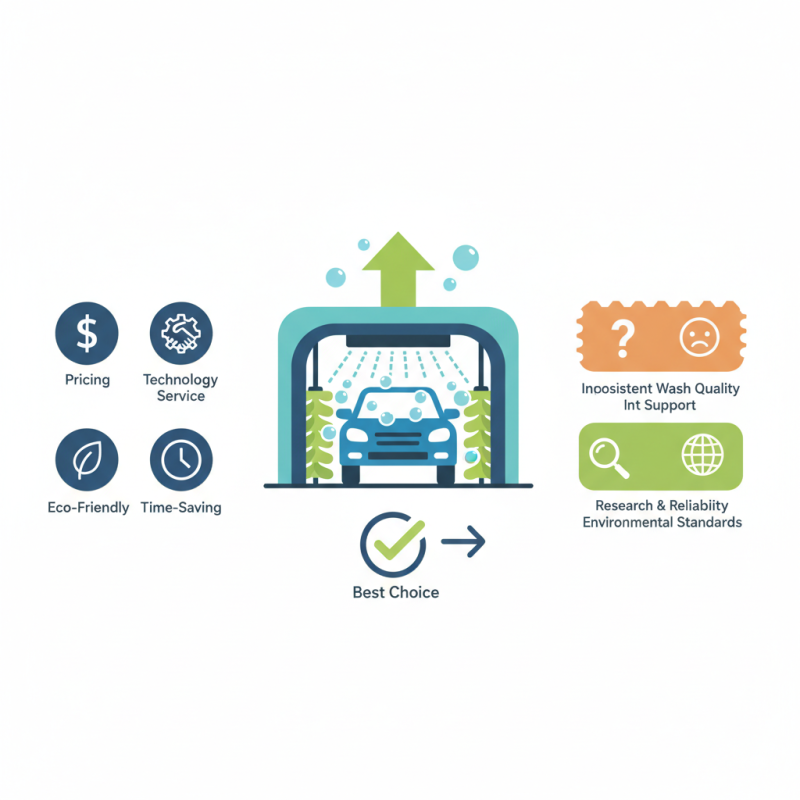
Factors to Consider When Choosing an Automated Car Wash
When choosing an automated car wash, there are several important factors to consider. The type of cleaning method is crucial. Some facilities use brushes, while others rely on touchless systems. Brushes can clean better but may scratch your paint. Touchless systems avoid scratches but often don't remove **tough dirt**. Assess what your vehicle needs before deciding.
Water quality matters too. Hard water can leave spots and residue on your car's surface. A good car wash will use soft water to enhance the cleaning process. Additionally, check if the wash employs eco-friendly materials. This minimizes environmental impact and protects your vehicle's finish. It’s crucial to find a balance between effectiveness and environmental responsibility.
Lastly, location and price are essential. A nearby car wash is convenient, but consider the cost per wash. Some options may seem cheap but can compromise quality. Look for reviews and ask for recommendations. Visiting the car wash beforehand can provide insight into their operations. The impression you get can be telling. Always reflect on what matters most for your car's care.
Types of Automated Car Wash Systems Available on the Market
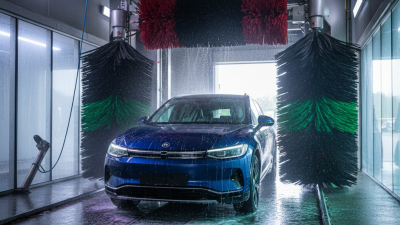
When considering automated car wash systems, it’s crucial to understand the various types available. The two main types are touchless and soft cloth systems. Touchless washes use high-pressure water jets and detergents. They clean without any physical contact. This minimizes the risk of scratching the vehicle’s surface. However, some users report that dirt remains after a wash.
Soft cloth systems use gentle cloth strips to clean the car. These systems are effective at removing grime and grease. They also provide a more thorough cleaning. According to industry reports, around 70% of car wash customers prefer soft cloth systems. Yet, they can wear down over time, requiring more frequent maintenance checks.
With advancements in technology, hybrid systems are now emerging. These combine both touchless and soft cloth options. They aim to deliver a better clean without the risks of damage. However, initial costs can be higher. It’s essential to weigh reliability against costs. Local market preferences also play a role in deciding the best option for your needs.
Comparison of Quality and Efficiency in Car Wash Technologies
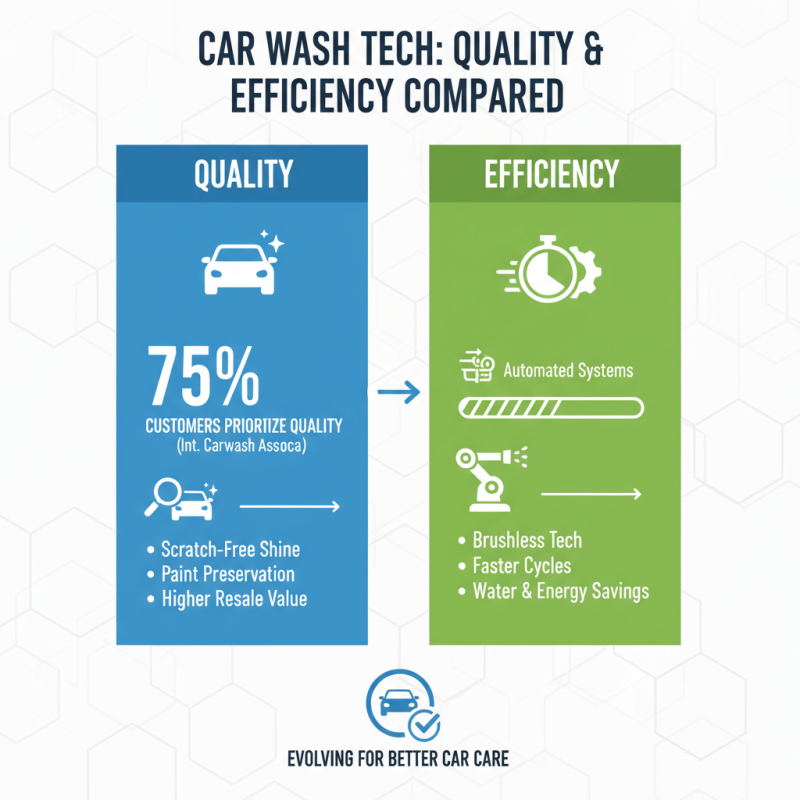
When comparing car wash technologies, quality and efficiency are key factors to consider. According to the International Carwash Association, 75% of car wash customers prioritize quality in the washing process. A clean vehicle not only looks good but also maintains its value. Automated systems are evolving, incorporating advanced technologies like brushless washes that reduce scratches and enhance shine.
Efficiency is equally important. Research shows that modern automated car washes can clean a vehicle in as little as 5 minutes. This speed is not merely for convenience; it maximizes service capacity and profitability. However, not all systems deliver consistent results. Some use excessive water or energy, detracting from their efficiency claims.
Consumers should also note that maintenance matters. Regular upkeep of wash machinery directly impacts performance, yet many facilities neglect this aspect. In a recent industry study, 40% of car wash operators reported issues with equipment malfunctions, affecting overall quality. So, while evaluating options, pay attention to the balance between technology and service sustainability.
Cost Analysis: Budgeting for Automated Car Wash Options
When considering automated car wash options, cost analysis is crucial. You'll encounter different pricing models, from pay-per-wash to monthly subscriptions. An average wash can range from $10 to $25. However, frequent users might save with a subscription plan.
Tips: Evaluate how often you wash your car. If it's weekly, a subscription can be more economical. Assess the features included in each wash tier. Basic washes may be cheaper but might not include waxing or undercarriage cleaning. Higher tiers offer deeper cleaning, which can preserve your car's finish.
Remember, the cheapest option may not always be the best. Consider the services offered and the quality of the wash. Some facilities may skimp on certain aspects, leading to dissatisfaction. In the end, balancing cost with quality is essential for your car's maintenance.
Environmental Impact: Eco-Friendly Car Wash Solutions
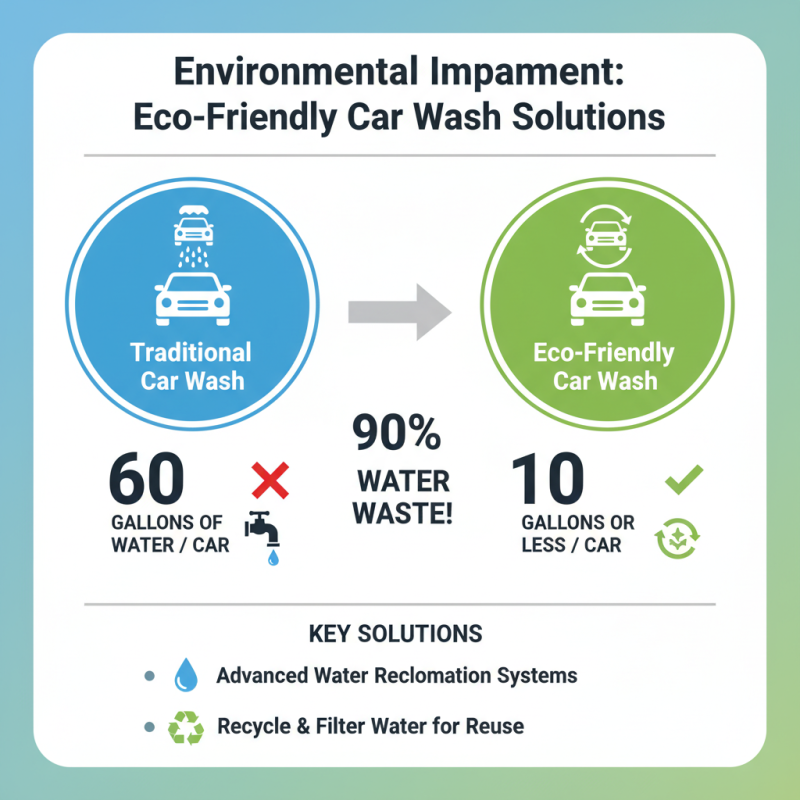
When considering automated car washes, environmental impact is paramount. Traditional car washes consume substantial water. On average, they use around 60 gallons per vehicle. This is in stark contrast to eco-friendly car wash methods, which can use just 10 gallons or less. Eco-friendly options employ advanced water reclamation systems. These systems recycle or filter water for reuse, dramatically reducing waste.
Moreover, the chemicals used in conventional washes can harm local ecosystems. A report from the Department of Environmental Protection highlights that many chemical agents in these washes can enter the water supply. This contaminates local streams and rivers, negatively impacting aquatic life. In contrast, eco-friendly washes often utilize biodegradable products. These products break down naturally, minimizing their ecological footprint.
While eco-friendly car wash solutions are growing in popularity, challenges remain. Not all automated washes offer these green alternatives. Consumers must research options in their area. Public awareness is also crucial. Many drivers remain unaware of the environmental benefits of choosing eco-conscious washes. Ultimately, education and availability are key to fostering a more sustainable car wash culture.